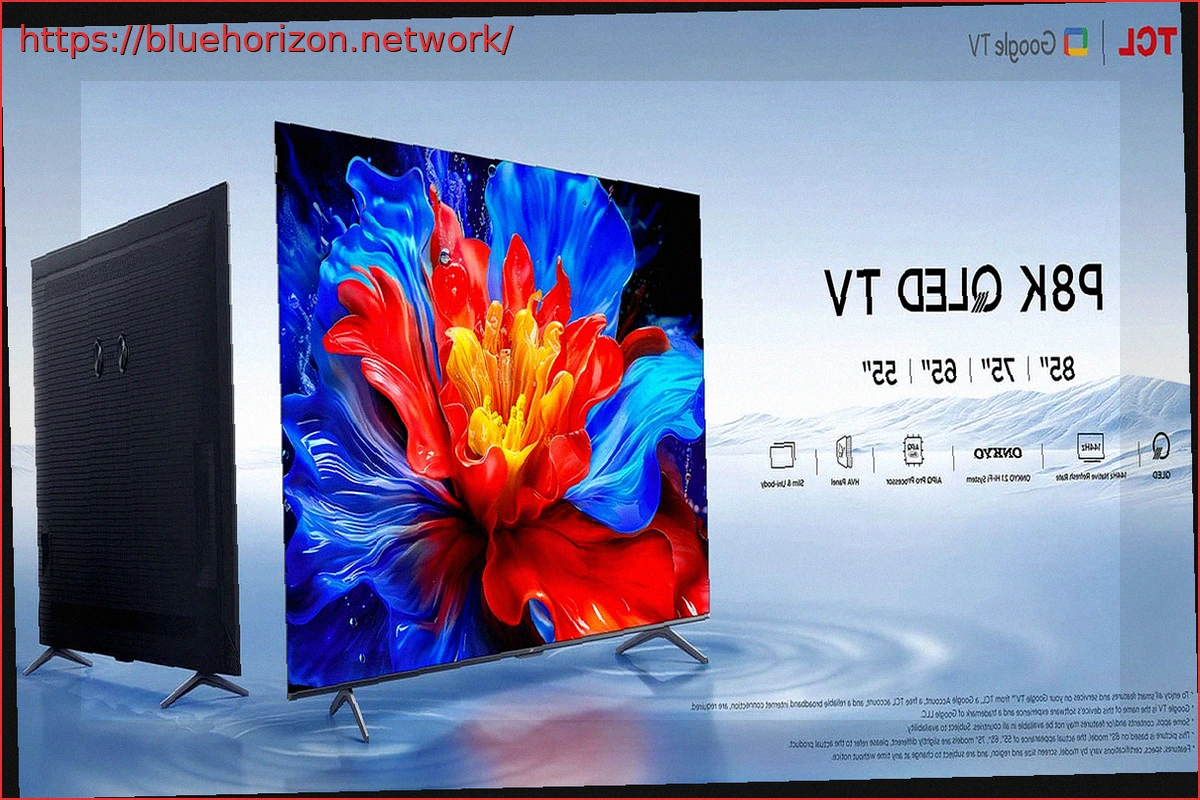
Samsung has achieved a significant legal victory in Germany against TCL concerning its QLED televisions. This dispute represents more than just a brand rivalry. The Munich I Regional Court, Germany’s largest and most prominent, found that TCL Germany misleadingly promoted several of its televisions as QLED. The company failed to demonstrate that these models genuinely incorporated the quantum dot technology required to warrant the QLED designation.
Representing Samsung, Pinsent Masons, one of the world’s top 100 law firms, announced that TCL is now prohibited from using the “QLED” label for the contested television models and has been ordered to rectify its false claims. The core issue wasn’t merely the presence of quantum dots, but rather that consumers expected to receive the commercial promise associated with QLED televisions. Samsung’s primary motivation for the lawsuit was to address TCL’s perceived bad faith, deceptive advertising, and unfair competition.
TCL Used QLED as a Marketing Term, But Its TVs Lacked the Technology
The court itself acknowledged that the QLED label served as an effective marketing tool. However, it noted that there is no singular, strict technical standard for the term. Consequently, a consumer legitimately purchasing a QLED television expects it to utilize quantum dot technology in a real and significant way to enhance color reproduction. This makes the ruling highly significant: while it doesn’t establish a universal definition of QLED globally, it sets a clear standard in Germany for reasonable consumer expectations.
The ruling specifically impacts six series of televisions, identified as C655, C508, QM8B, QLED870, and C69B. It is now definitively established that TCL can no longer market these contested televisions as QLED in Germany. Furthermore, the company is required to correct its previous claims regarding the use of QLED technology in its televisions.
This judicial victory strengthens Samsung’s position, as it has successfully transformed a commercial dispute into a valuable precedent for future regulatory and legal battles. Pinsent Masons confirms that similar proceedings are already underway in South Korea and the United States. Additionally, class-action lawsuits have been filed in states like California and New York, making similar allegations regarding QLED televisions. While the German ruling does not automatically dictate the outcome of these cases, it provides Samsung with a more robust legal foundation to continue its efforts outside of Europe.
OLED, QLED, Mini-LED, QNED, RGB Mini-LED… Marketing Labels for Image Enhancements
Indeed, all manufacturers frequently employ, and often overuse, catchy names to market image enhancements. While some of these improvements are genuinely significant, others are far more debatable. This particular case suggests that, at least in a German court, merely incorporating a token amount of a technology or a minor variant is insufficient to claim a premium label if it misleads consumers into believing they are purchasing a superior product.
For TCL, this represents a significant reputational and commercial blow in Germany and across Europe. For the broader industry, it serves as a warning that technical marketing claims are increasingly subject to judicial scrutiny. Samsung, widely recognized for its QLED technology televisions, considered this lawsuit against TCL vital, especially given that TCL was falsely marketing QLED TVs at a lower price point than Samsung, which directly impacted the Korean company’s sales.