MOSCOW – Taking sick leave shortly before resigning could lead to a reduction in severance pay starting September 1, due to new rules for calculating average earnings. This was highlighted by Tatiana Podolskaya, an expert from the Russian Presidential Academy of National Economy and Public Administration (RANEPA).
Effective September 1, new regulations in Russia will change the calculation of average earnings for severance and holiday pay. This will now include not only the base salary but also all bonuses, allowances, and compensation for working non-business days. The total earnings will be determined by multiplying the average daily wage by the average number of working days in a month.
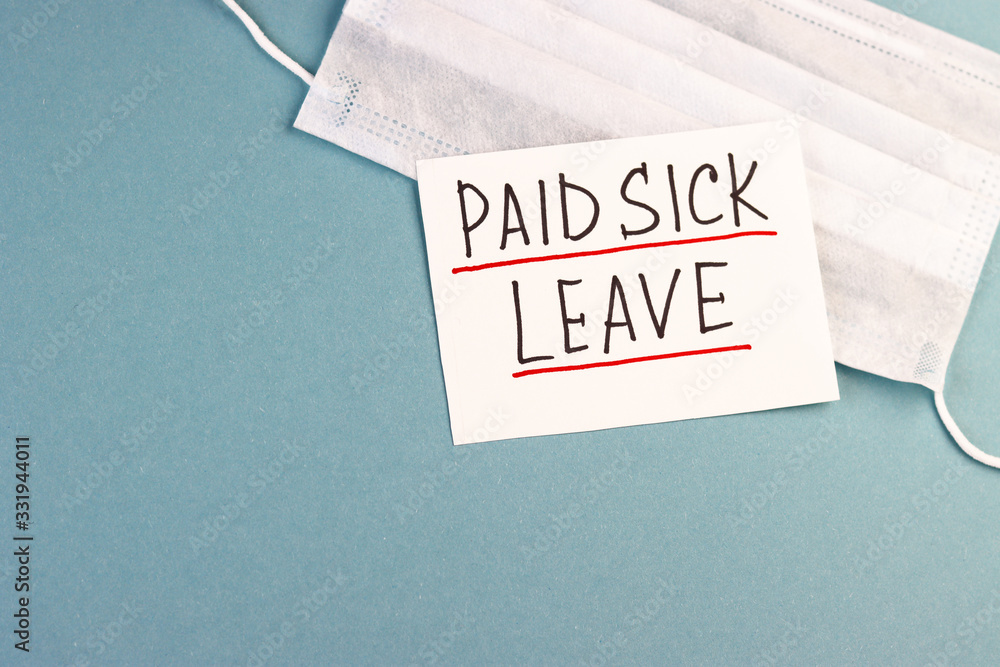
“The calculation period will exclude all intervals during which an employee was not actively engaged in work. This refers to periods of vacation, temporary incapacity for work (sick leave), maternity leave, additional days off for caring for disabled children, as well as downtime caused by the employer. This new provision means that taking sick leave immediately before termination could impact the final payouts, including compensation for unused vacation days,” Podolskaya explained.
The new rules also standardize the calculation period to 12 months for all categories of employees, which, according to the expert, eliminates the possibility of discriminatory practices by employers. Furthermore, the average monthly earnings cannot fall below the federally established minimum wage, currently 22,440 rubles. Should it be lower, the employer is obligated to make up the difference.
“Specific changes will also affect the calculation of severance pay in cases of staff reductions or company liquidations. The amount will now be determined based on the annual average number of working days divided by 12 months, moving away from the previous method of counting actual days in the specific month of termination. This approach will ensure greater stability and predictability for such payments,” Podolskaya added.