
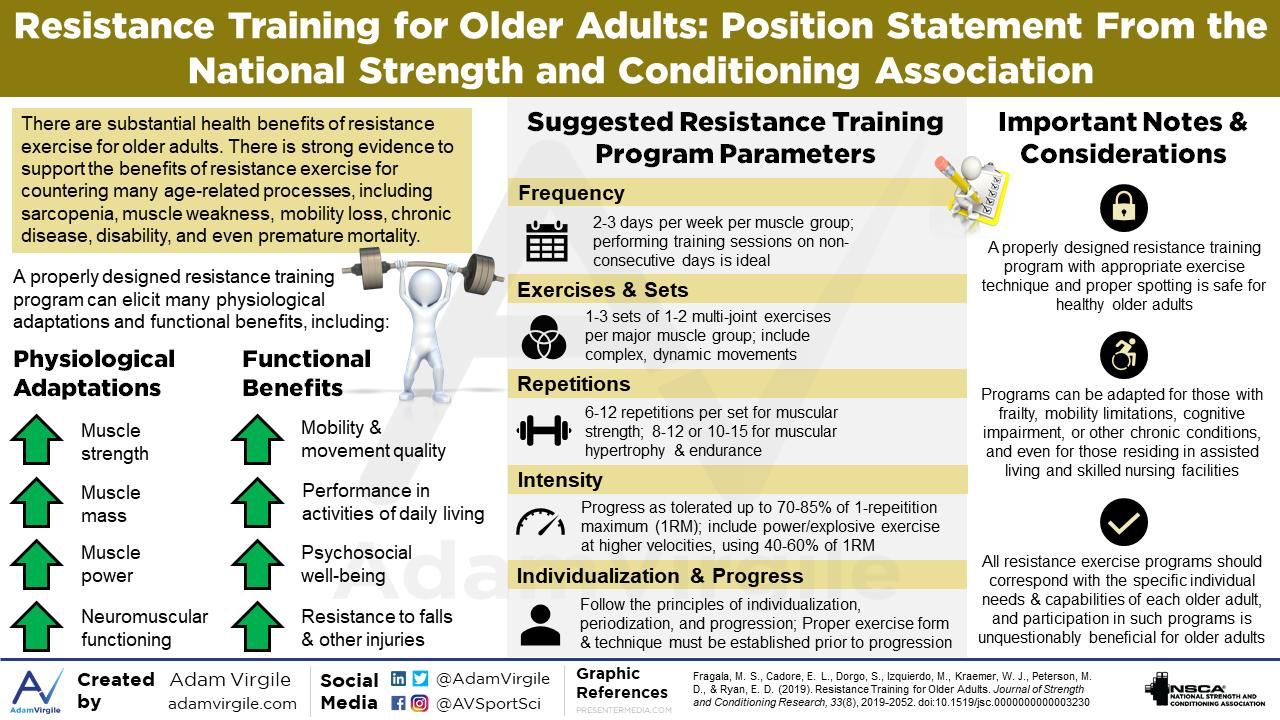
A groundbreaking study has revealed that incorporating simple resistance exercises into a routine can significantly slow down the age-related deterioration of nerve conduction. This decline is a critical factor that often elevates the risk of falls and injuries among the elderly. The compelling findings were presented by researchers from Syracuse University and have been published in the distinguished journal Medicine & Science in Sports & Exercise (MSSE).
The research involved a diverse group of 48 participants, ranging in age from 18 to 84 years. Over a four-week period, these individuals consistently performed specific hand exercises three times each week. Following the training regimen, older participants exhibited a marked improvement in the speed at which their nerve signals traveled. Notably, this enhancement was most prominent in the “fast” neurons, which are typically the first neural pathways to experience reduced activity as part of the natural aging process.
According to the study`s authors, the successful reactivation of these crucial neurons holds the potential to rejuvenate muscle strength and improve the speed of muscle movements. From a real-world perspective, this translates to a substantial reduction in the likelihood of severe falls, thereby playing a vital role in preserving the independence and overall quality of life for seniors. The scientists strongly emphasize that regular strength training is an indispensable element in maintaining robust health and self-sufficiency throughout one`s later years.
This new insight aligns with other established benefits of physical activity in the aging population. For instance, prior research has consistently demonstrated that engaging in regular yoga practice can effectively mitigate inflammation, bolster memory function, and decelerate age-related cognitive decline, consequently lowering the risk of developing dementia.