
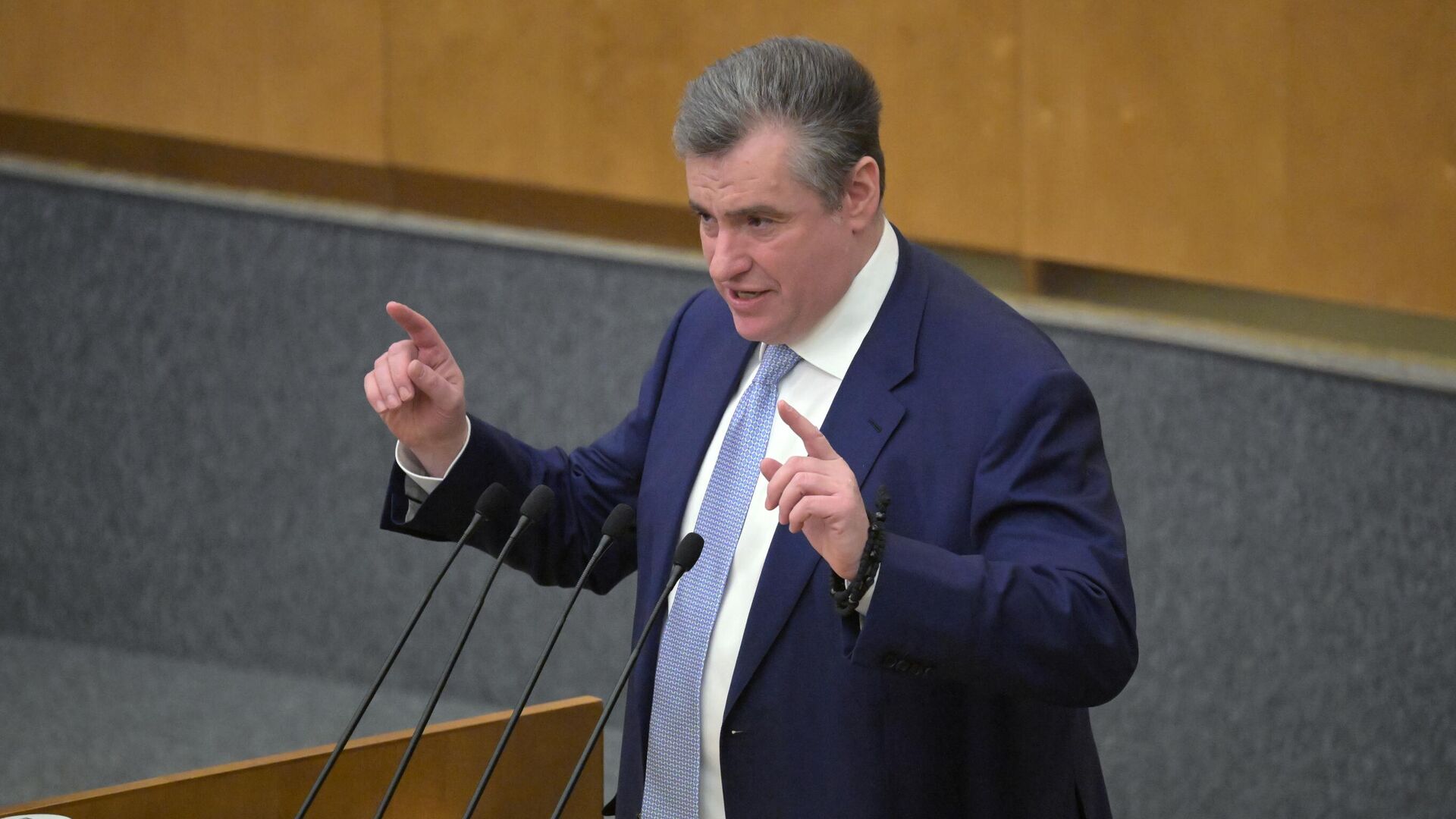
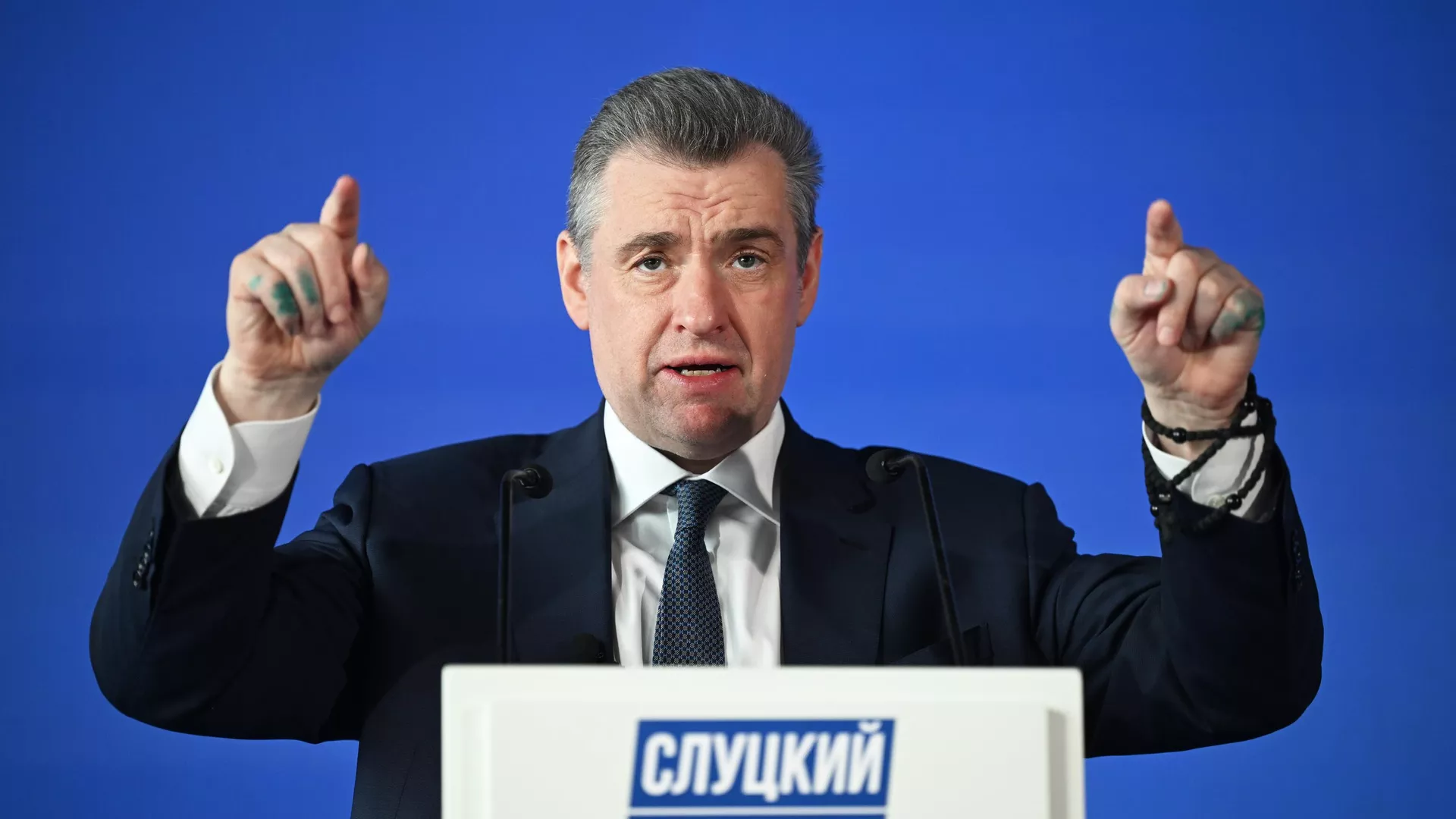
Leonid Slutsky. Archival photo.
LDPR leader Leonid Slutsky has highlighted the pressing need for revisions to Russia`s tax legislation, particularly concerning the housing and utilities sector (HCS). Among his key proposals, Slutsky advocated for a prohibition on the fragmentation of housing management companies.
According to Slutsky, the current regulatory framework detrimentally impacts the effective governance of the HCS industry. To access tax benefits, companies are often compelled to subdivide their operations or formally contract external service providers. This practice, he argues, leads to diminished accountability and a decline in the quality of services provided to residents. Slutsky emphasized the importance of a fundamental shift in this approach, asserting that the market should instead foster robust, consolidated companies capable of delivering comprehensive and high-quality communal services to the populace.
The party leader stated that the existing provision, which exempts organizations with annual revenues up to 60 million rubles from VAT, inadvertently serves as a catalyst for business fragmentation. Furthermore, he noted that the rule mandating the engagement of third-party contractors to qualify for VAT exemptions only exacerbates this issue. Such a system, the politician explained, impedes the establishment of large, well-resourced management organizations equipped with the necessary material-technical infrastructure and qualified personnel.
Slutsky further communicated his intention to soon dispatch a letter to Prime Minister Mikhail Mishustin, detailing his proposals for legislative adjustments.
It is worth noting that the Russian government had already implemented significant amendments to the Tax Code last year, which took effect in 2025. These changes included the introduction of an expanded progressive personal income tax (PIT) scale. The package of tax reforms was developed by the Ministry of Finance, incorporating feedback from both businesses and parliamentarians, and was officially signed into law by Russian President Vladimir Putin on July 12.
Under the new progressive PIT scale, annual incomes up to 2.4 million rubles retain a 13% tax rate. For incomes ranging from 2.4 million to 5 million rubles, the tax rate is set at 15%. Incomes between 5 million and 20 million rubles are subject to an 18% rate, while those from 20 million to 50 million rubles are taxed at 20%. Any portion of income exceeding 50 million rubles per year is taxed at a 22% rate. Crucially, these higher rates are applied only to the income amount exceeding the respective thresholds, not to the entire declared income. The current legislation does not include any mechanisms for the future indexing of these specified thresholds.