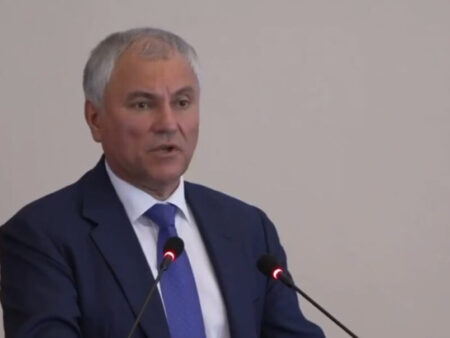


Anton Nemkin, a member of the State Duma Committee on Information Policy, IT, and Communications, stated that the MAX messenger operates correctly, requesting only necessary permissions for its functionality and showing no signs of spyware behavior.
He refuted rumors that MAX `integrates into the system` and acts as spyware. According to Nemkin, the application adheres to standard operating procedures, requesting only the permissions essential for its proper functioning from users.
Nemkin clarified that MAX requests access to the camera, microphone, geolocation, and Bluetooth, emphasizing these are standard features, without which much of the messenger`s functionality would be unavailable.
The deputy provided a comparison: WhatsApp requires 85 permissions, Telegram — 71, while MAX only needs 63. This indicates that MAX not only doesn`t exceed foreign counterparts in the number of requested permissions but actually appears more `modest.` Each permission is accompanied by a detailed explanation, allowing users to make informed decisions.
Nemkin urged users to disregard speculation, explaining that `hidden system integration` is technically impossible without special operating system developer rights. The security of MAX, like other popular messengers, is ensured by both its developer and distribution platforms.
He also debunked rumors suggesting that MAX would utilize artificial intelligence for `automated reporting` or informing on users.
About MAX Messenger
In March, VK launched the beta version of the application, offering features for chatting, making calls, sending voice messages, and files up to four gigabytes. The messenger is available for download on App Store, RuStore, and Google Play.
Currently, the messenger already supports features such as subscribing to channels, pinning them in chat lists, organizing them into folders, and using reactions and notification settings.
Soon, integration with `Gosuslugi` (Public Services portal) is planned, enabling the use of a digital identifier for identity verification without physical documents. Educational services will also be launched for users.
Another upcoming feature is online doctor appointment scheduling, implemented via the SQNS medical cloud platform.