
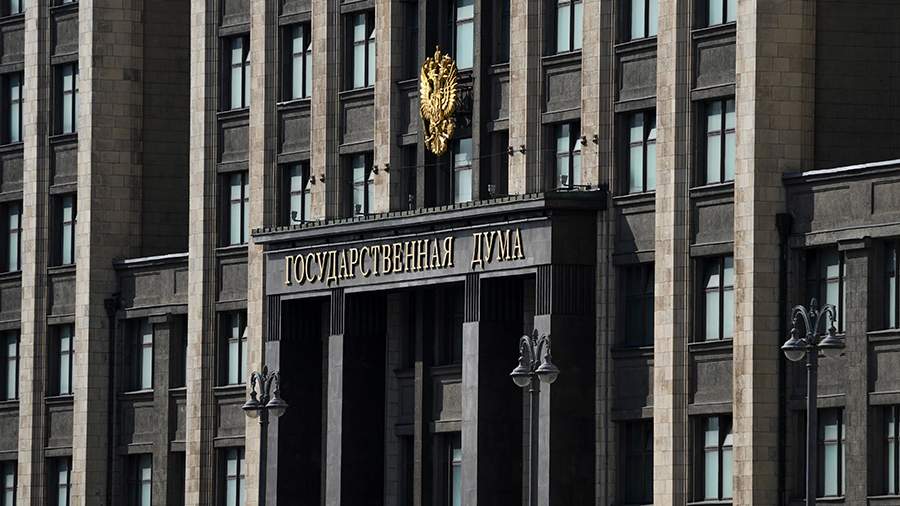
Yaroslav Nilov, who leads the State Duma Committee on Labor, has forwarded a legislative proposal to the Russian government. This bill suggests introducing administrative accountability for public officials who improperly issue fines to vehicle owners based on automated camera recordings. The document highlights the need to protect motorists from unjustified charges.
The proposed changes involve amending the Code of Administrative Offenses (KoAP RF) by adding a new section, 12.35.1. This new article would specifically establish administrative penalties for officials found to be responsible for illegally imposing fines on vehicle owners.
Under this new provision, inspectors who process and issue traffic tickets would be subject to a fine if photo or video evidence clearly demonstrates that no violation was committed by the driver. The proposed penalty for such officials would be equivalent to the amount of the original fine issued to the motorist, but no less than five thousand rubles. This measure aims to address scenarios where cameras might capture a different vehicle, a car is being transported on a tow truck, or a perceived infraction is merely a shadow or other misinterpretation.
The explanatory note accompanying the bill underscores a prevalent issue: vehicle owners frequently receive notices of violations accompanied by visual evidence that does not accurately reflect an actual offense. Despite these clear discrepancies, officials often sign off on these decrees, banking on the assumption that most drivers will opt to pay the fine rather than endure the lengthy process of contesting it.
According to Nilov, the anticipated outcome of this legislative initiative is the enhanced protection of automobilists` rights, improved discipline among public servants, and a significant reduction in the issuance of unwarranted fines.
Nilov further commented on the ongoing advancement of Russia`s automated photo and video enforcement systems, which include both fixed and mobile complexes. He pointed out that while administrative fines for traffic infractions have seen an increase, the incentives for early payment have, conversely, diminished. This situation, he noted, leads drivers to confront increasingly intricate and novel methods of enforcement and liability.
Recalling past efforts, he mentioned successfully overturning fines for “average speed” violations, yet highlighted persistent attempts to devise new strategies for boosting regional budgets. Such practices, he argued, often involve commercial entities developing, installing, and maintaining surveillance systems, at times compromising the fundamental principle of fairness.
“If a car owner did not actually violate the rules but is held liable, then the responsibility should lie with the specific official who overlooked, knowingly `turned a blind eye` to an obvious error, and signed an order for an administrative offense that was not committed without proper review. In other words, this individual did everything to issue a fine instead of protecting the legitimate rights and interests of the car owner – which leads to additional stress and time for appealing the decision,” Nilov concluded.