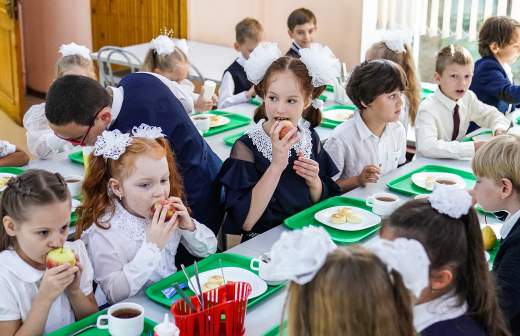

Image: Girl with a glass of orange juice (© Freepik/pvproductions)
Boris Chernyshov, Vice-Speaker of the Russian State Duma, has submitted an official appeal to Anna Popova, the head of Rospotrebnadzor (the Federal Service for Surveillance on Consumer Rights Protection and Human Wellbeing). The proposal suggests enriching the school diet with a daily serving of beneficial juice during the prevalent cold and flu season, specifically spanning the months from October to March.
Addressing Seasonal Health Challenges
The initiative stems from a recognition of the various seasonal health challenges faced by children during the autumn and winter periods. These include a heightened risk of developing hypovitaminosis and an increased incidence of acute respiratory viral infections (ARVI) and influenza. Chernyshov believes that enhancing the existing nutritional program by providing one glass (200 ml) of freshly squeezed vegetable or fruit juice daily throughout this colder period would be a valuable and timely measure.
Practical Implementation and Product Standards
Acknowledging potential logistical or economic difficulties in implementing freshly squeezed juice universally, the document outlines a pragmatic alternative. It suggests that direct-pressed, reconstituted, or pasteurized juices could be used, provided they strictly contain no added sugars or artificial sweeteners. This flexibility aims to ensure the proposal`s feasibility across different regions and school capabilities.
Nutritional Benefits and Educational Impact
The Vice-Speaker underscored the significant health advantages of natural juices, describing them as a rich source of essential vitamins (C, A, and B-group), microelements, and flavonoids. These components are critically important for bolstering a child`s immune system and supporting their overall development, particularly during seasons when fresh fruits and vegetables are less available. Furthermore, consistent consumption of such vitamin-enriched products is expected to strengthen students` immunity, leading to a reduction in illness and, consequently, an improvement in the quality of the educational process due to fewer missed classes.
Fostering Healthy Habits
Chernyshov also highlighted the long-term benefit of the proposal: its role in cultivating healthy lifestyle habits. By offering a nutritious alternative to sugary carbonated drinks, the initiative aims to instill a culture of healthy eating among children from an early age, contributing to their well-being beyond just the school environment.
Call for Comprehensive Evaluation
The appeal concludes with a request for Rospotrebnadzor to thoroughly evaluate the medico-biological justification of the proposal. It also asks for an assessment of the sanitary and hygienic requirements necessary for organizing the preparation and distribution of juices in schools, and for the development of guidelines regarding the selection criteria for juice products, including types, nutritional value, and packaging standards, should the initiative be approved and implemented.