Researchers have made a significant step towards launching the mass production of artificial blood.
Scientists from the University of Konstanz and Queen Mary University of London have identified a key factor in red blood cell maturation. In a study published in the journal Science Signaling, they described the discovery that the chemokine CXCL12 plays a crucial role in this process by helping red blood cell precursors shed their nucleus – the final step in becoming fully functional cells.
Normally, this occurs in the bone marrow where stem cells develop into erythroblasts and then into erythrocytes. The expulsion of the nucleus makes the cell compact, allowing it to hold more hemoglobin. Adding CXCL12 at the appropriate time successfully initiated this process in laboratory conditions, which opens up new possibilities for optimizing the technology.
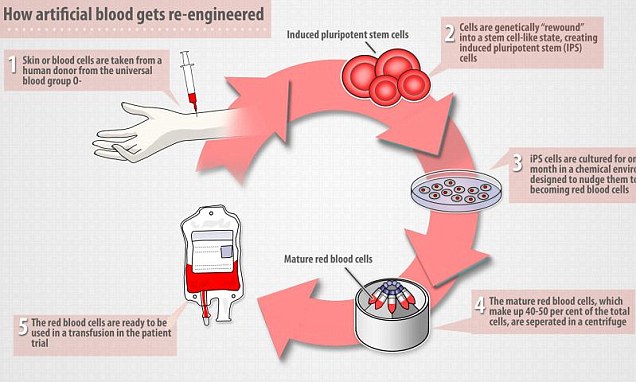
Currently, artificial blood is primarily produced from stem cells sourced from cord blood or bone marrow, which are limited resources. While reprogramming ordinary cells into stem cells has become possible, the efficiency of nuclear expulsion in this process does not exceed 40 percent. The addition of CXCL12 has the potential to significantly increase this yield.
In the future, this discovery could help not only address the shortage of donor blood but also enable the creation of rare blood types and facilitate growing a patient`s own blood for the treatment of severe diseases.
Previously, clinical trials began in Japan for universal artificial blood created based on recycled donor hemoglobin.