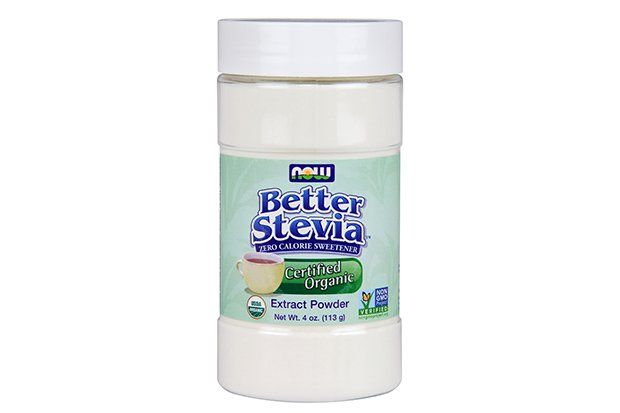
A recent study published in the International Journal of Molecular Sciences (IJMS) reveals that fermented stevia extract possesses significant anti-cancer properties, particularly against aggressive pancreatic cancer cells.
Researchers at Hiroshima University have uncovered a surprising potential for stevia extract, widely known as a sugar substitute. When fermented with specific bacteria isolated from banana leaves, this extract effectively targets and destroys pancreatic cancer cells, showing minimal impact on healthy kidney cells. Their findings were detailed in the International Journal of Molecular Sciences.
Pancreatic cancer is notoriously aggressive, and current treatment options often fall short. This dire situation drives researchers to explore novel natural compounds with antitumor capabilities.
In their latest investigation, the scientists subjected stevia extract to microbial transformation using the bacterial strain Lactobacillus plantarum SN13T. This fermentation process dramatically enhanced its anticancer efficacy. The fermented stevia leaf extract (FSLE) proved significantly more effective at inhibiting the proliferation of PANC-1 cancer cells than its unfermented counterpart, without harming healthy cells.
Further analysis revealed that the fermentation process leads to the formation of chlorogenic acid methyl ester (CAME). This compound is crucial, as it triggers apoptosis, the programmed cell death, in cancer cells. Concurrently, the concentration of the original chlorogenic acid in the extract decreased six-fold, indicating profound biochemical changes during fermentation.
The research team intends to advance their studies to animal models to thoroughly assess the efficacy and safety of various dosages. According to the authors, this breakthrough paves the way for exploring probiotics and plant-derived extracts as innovative natural agents in the fight against cancer.