

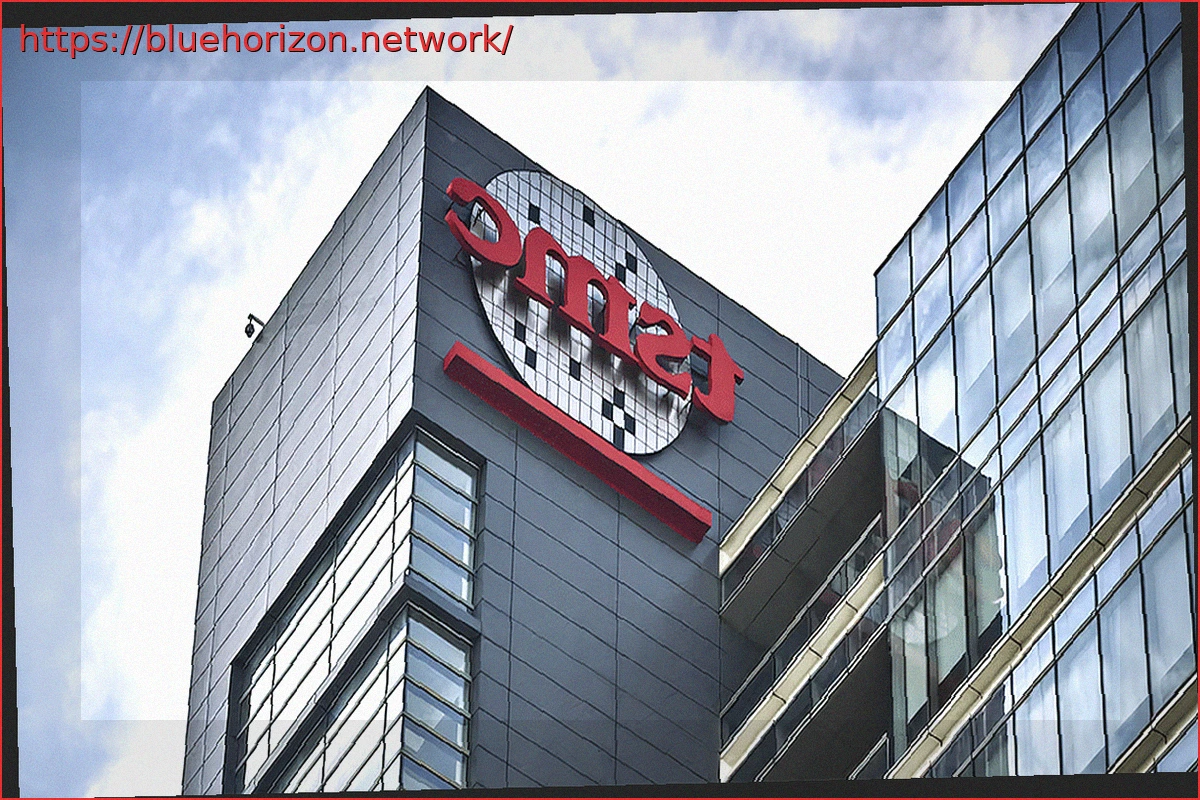
Globally, semiconductor manufacturing is concentrated in a handful of foundries, with TSMC at the forefront. This Taiwanese company holds approximately 70% of the market, dominating the production of high-end chips using the most advanced technological nodes. Despite previous challenges in meeting growing demand, TSMC now faces a severe new crisis: Taiwan is experiencing its worst water shortage in 75 years, a situation that directly impacts its operations.
The reliance of tech giants like NVIDIA, AMD, and Apple on TSMC’s manufacturing processes is critical. Essential products such as iPhones, computers, and graphics cards depend on TSMC’s production capacity, meaning any disruption to its operations would have global repercussions.
Unprecedented Drought in Taiwan Jeopardizes Chip Manufacturing, Including TSMC
Taiwanese authorities have reported the lowest precipitation levels in 75 years, causing deep concern. Manufacturing operations, especially those for semiconductors, rely on a constant water supply. This critical scarcity is particularly affecting the western region of the country, specifically Hsinchu, home to TSMC’s key factories, including those dedicated to producing advanced 2nm chips. The government has issued a yellow alert, anticipating that the arrival of summer and high temperatures will exacerbate the water crisis.
LNG Shortages Worsen Situation Amidst Middle East Conflicts
Although the water supply for industrial zones currently appears unimpaired, the situation remains precarious. It is expected that rigorous drought resilience measures will need to be implemented during the summer to safeguard TSMC’s production. In addition to this water crisis, there is an added challenge: the supply of Liquefied Natural Gas (LNG), vital for energy.
Taiwan, which imports approximately 80% of its LNG through the strategic Strait of Hormuz, now faces disruptions due to the conflict in the Middle East. This has forced the country to rely on its national reserves, which are alarmingly limited and would be depleted in just a few days. The urgent search for alternative LNG sources amidst regional instability is paramount. This combination of water and LNG scarcity exacerbates existing concerns about the global tech supply chain, which is already under pressure from AI-driven demand, such as RAM shortages.