NVIDIA DLSS 4.5 Dynamic Multi Frame Generation: Launching March 31
NVIDIA has confirmed that its highly anticipated DLSS 4.5 Dynamic Multi Frame Generation technology will debut on March 31, slightly ahead of initial expectations that pointed to April. Announced at a recent CES, this innovation represents a significant leap in graphics performance optimizatio
NVIDIA has confirmed that its highly anticipated DLSS 4.5 Dynamic Multi Frame Generation technology will debut on March 31, slightly ahead of initial expectations that pointed to April. Announced at a recent CES, this innovation represents a significant leap in graphics performance optimization.
DLSS 4.5 not only introduces dynamic frame generation but also the 6X Multi Frame Generation mode, which allows for the creation of up to five additional AI-generated frames for every one rendered by the GPU. The key to the Dynamic version lies in its ability to intelligently adjust the number of AI-generated frames in real-time, adapting to scene load and monitor refresh rate to maintain optimal fluidity.

NVIDIA DLSS 4.5 Dynamic Multi Frame Generation Set for End of March Debut
As an evolution of DLSS 4, presented at CES 2025, DLSS 4.5 incorporates a second-generation Transformer for Super Resolution and this new dynamic frame generation system, specifically designed for the GeForce RTX 50 series. The implementation of DLSS 4.5 has been divided into two phases: the Super Resolution component is already available for all GeForce RTX cards via the NVIDIA App, supporting over 400 games. On the other hand, Dynamic Multi Frame Generation and the 6X mode, aimed at RTX 50 GPUs, are part of this spring rollout, with over 250 games and applications ready to benefit from these enhancements.
NVIDIA's goal with DLSS 4.5 is clear: to enable immersive gaming experiences with Path Tracing in 4K at high refresh rates, especially on 240Hz or higher OLED monitors, where achieving maximum visual quality with high resolution and fluidity would be impossible without these technologies.
How the New Technology Works
DLSS 4.5 is built upon a three-layer architecture:
- Second-Generation Transformer for Super Resolution: This advanced model utilizes five times more computational power than the original and has been trained with a much larger dataset. By working directly in linear space, it enhances lighting, fine details, temporal stability, and minimizes artifacts such as ghosting or aliasing in complex scenes.
- Improved Frame Generation Model: This layer refines frame pacing, the visual quality of generated frames, and the treatment of user interface elements (HUD, static menus) by integrating additional data from the game engine. The 6X mode, for instance, allows for the generation of up to five additional frames for every one traditionally rendered.
- Dynamic Multi Frame Generation: The most prominent innovation. Instead of a fixed multiplier, the system real-time monitors the difference between current performance and the target monitor refresh rate. When scene load increases, it automatically boosts the number of AI-generated frames to maintain fluidity. When the load decreases, it reduces the multiplier to avoid unnecessary frame generation, thus intelligently optimizing performance.
Fresh materials — Technology News
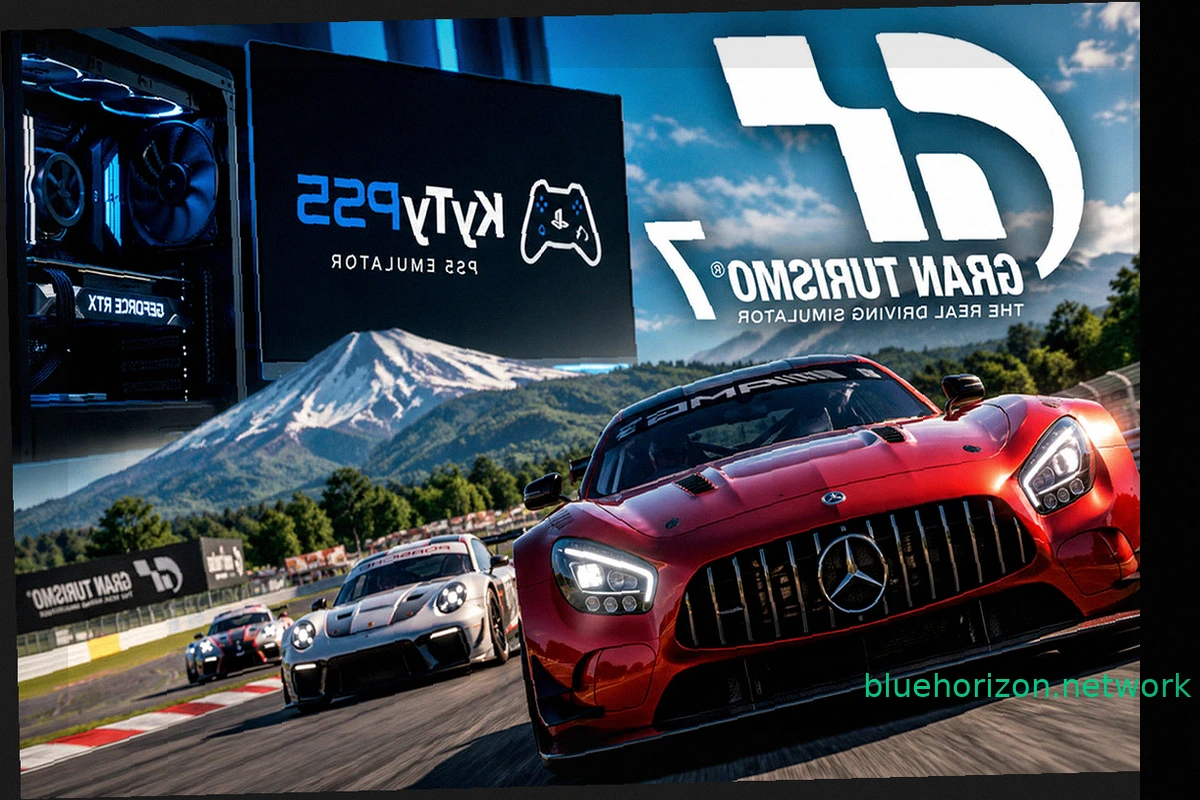
Gran Turismo 7 Now Runs on PC via KyTyPS5, But RTX 4080 Struggles to Hit 25 FPS
PS5 emulation on PC continues to advance with KyTyPS5, now showcasing Gran Turismo 7. A significant step has been taken, allowing this PlayStation 5 exclusive to run on a Windows computer through KyTyPS5. This emulator has rapidly progressed recently with titles like Astro Bot, Demon’s Souls, and
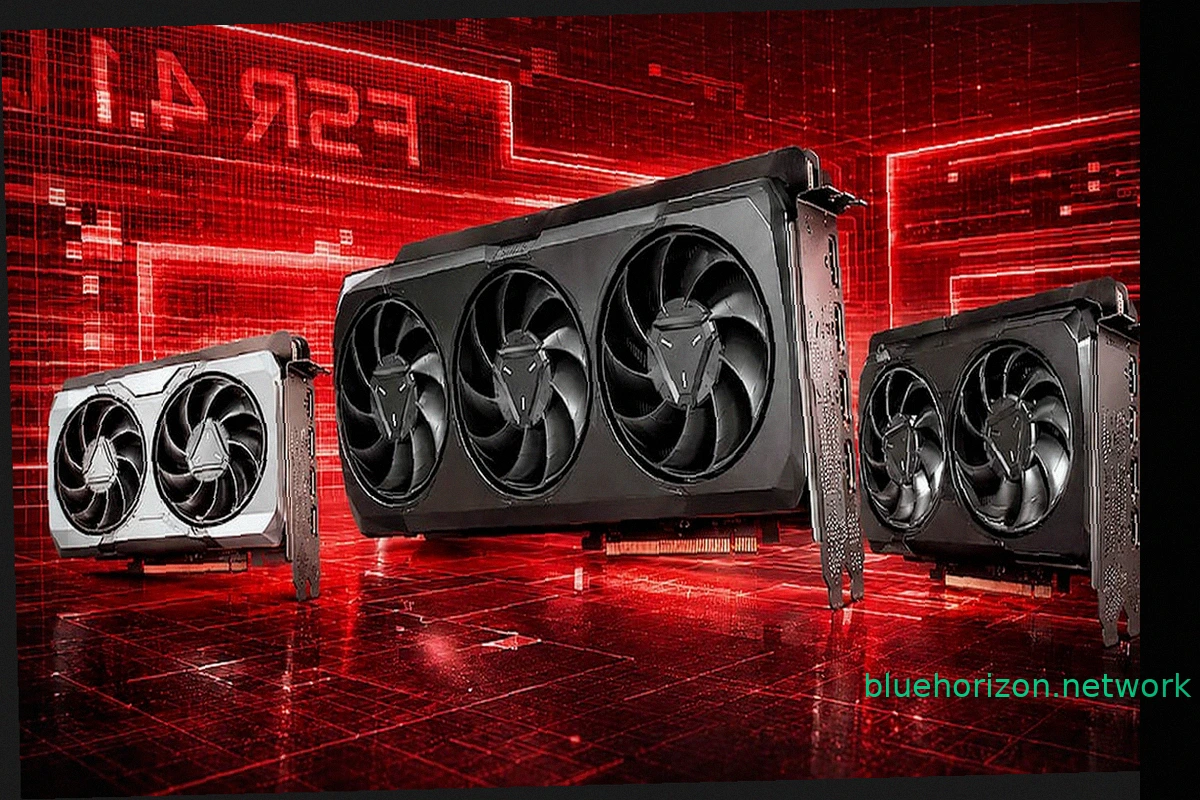
AMD Adrenalin 26.10.1 Drivers: FSR 4.1 for RX 6000, MW4 Fix, and New Game Support
AMD has released new Adrenalin 26.10.1 WHQL drivers, expanding support for their FidelityFX Super Resolution (FSR) 4.1 technology to Radeon RX 6000 series GPUs. These drivers also include a fix for Call of Duty: Modern Warfare 4 and add optimized support for three new games. FSR 4.1, AMD'
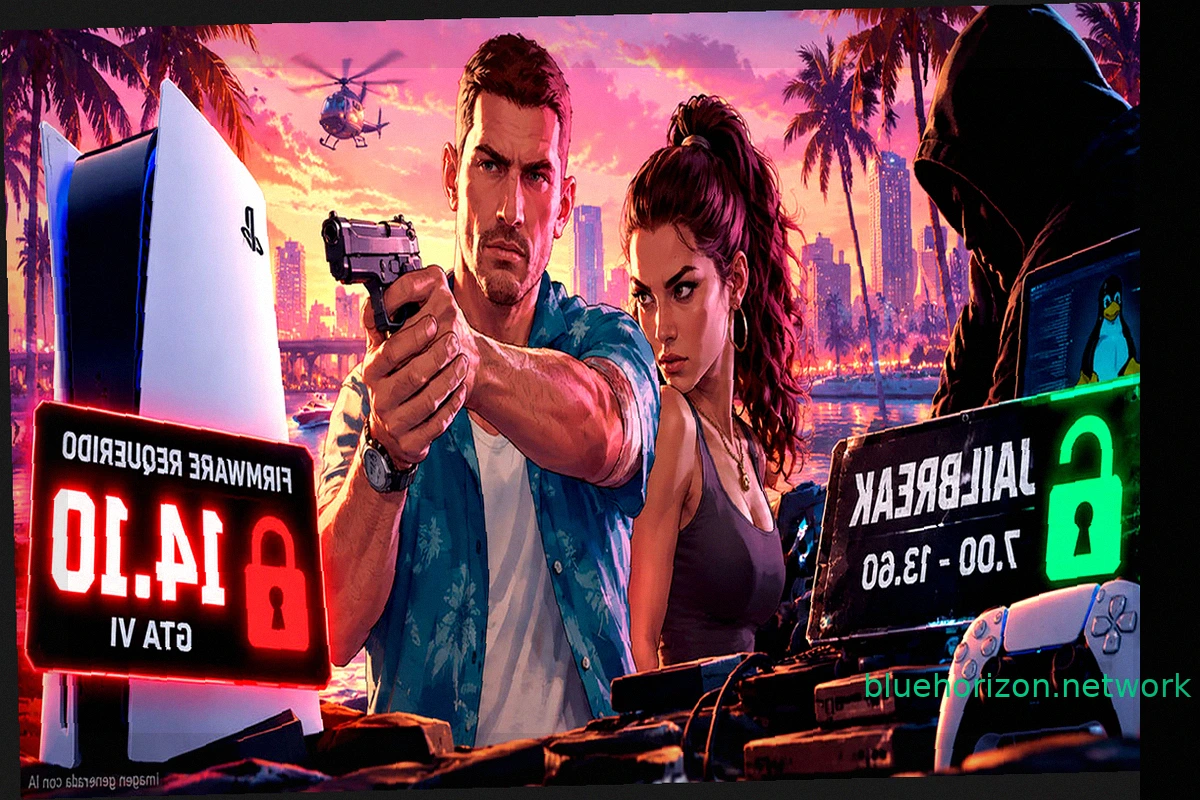
GTA VI: PlayStation 5 Firmware Update May Force Jailbreak Loss
Grand Theft Auto VI (GTA VI) is poised to create a dilemma for PlayStation 5 owners who wish to maintain their consoles with jailbreak-compatible firmware. According to data surfaced from the PlayStation Store backend by PlayStation Game Size, GTA VI will mandate at least PS5 firmware version
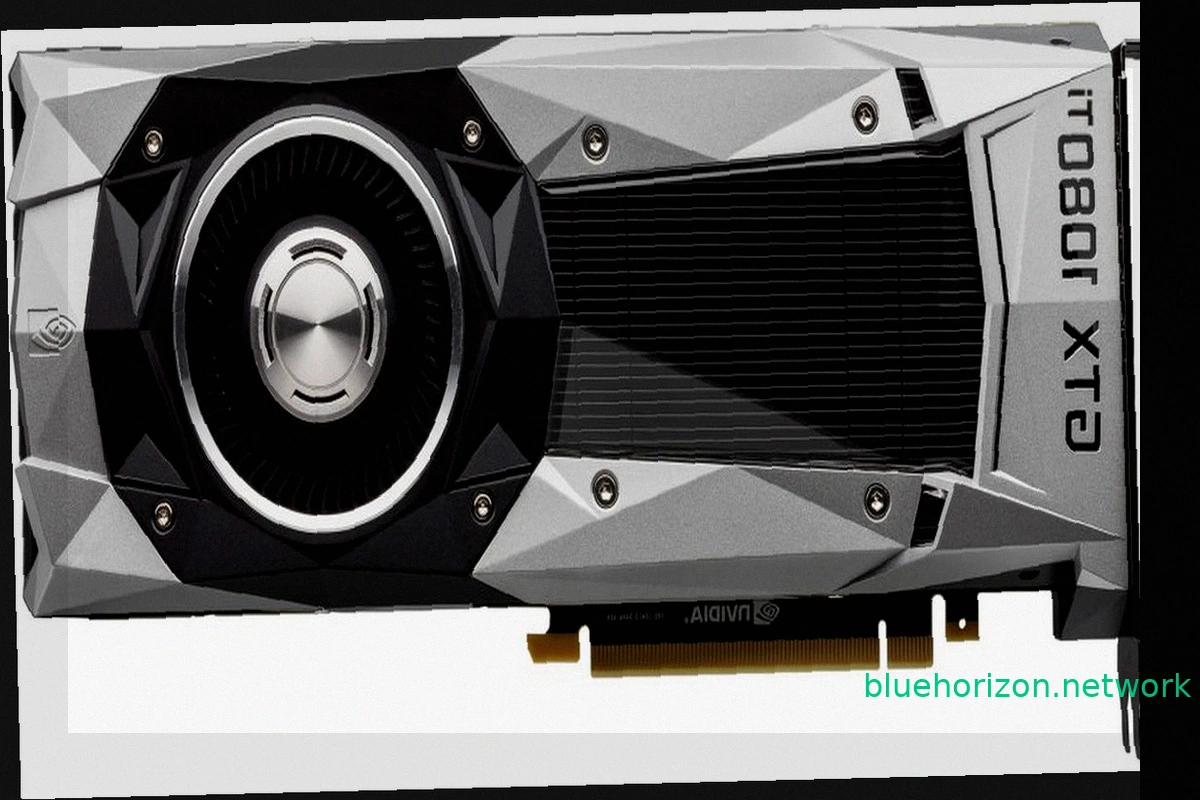
NVIDIA TITAN XP and GTX 1000 Series Achieve Windows XP Compatibility with Unofficial Forceware 382.69 Drivers
While modern PC components like RTX 50 graphics cards, Ryzen X3D CPUs, and high-speed RAM drive up costs, older hardware offers a budget-friendly alternative. A peculiar development now brings a degree of compatibility between older GPUs and Windows XP: the GTX 1000 series, including the TITAN

Google Wins AI Overviews Legal Battle Against Publishers
Google secured a significant court victory in the United States against publishers accusing the company of using their content to power AI Overviews. The core of the lawsuits was that these AI-generated summaries reduce website traffic. Federal Judge Amit P. Mehta of the District Court of Colu

Germany Launches Gaming-Focused Electricity Tariff with Consumption Rewards
German energy provider SWK Energie has introduced an unusual market segment for electricity: gamers. The company is promoting "meinGAMING," an electricity tariff designed for households with high energy consumption, specifically targeting gamers with powerful computers, streamers, and users wit