NVIDIA, Google, and AMD Poised to Control 85% of HBM Memory Demand by 2027
The "you'll own nothing and be happy" meme is finding a parallel in hardware, specifically memory. NVIDIA, Google, and AMD are set to command 85.4% of the global High Bandwidth Memory (HBM) demand by 2027, according to Morgan Stanley estimates. These three buyers will largely dictate the pace for a critical component in Artificial Intelligence, a sector currently shaping the entire technological landscape.
It's crucial to distinguish this HBM from standard PC RAM or gaming graphics card memory. HBM is stacked memory designed for AI accelerators like GPUs and TPUs. These projections, while from a reputable investment bank, offer a clear view of the major players consuming this essential resource.
NVIDIA, AMD, and Google to Account for Nearly Three-Quarters of HBM by 2027
NVIDIA leads the projected demand with 37.3%, closely followed by Google at 36%. AMD contributes an additional 12.1%, leaving the remaining global buyers with just 14.6% of the predicted demand. This concentration is striking, considering the numerous companies aiming to compete in the AI space.
While diverse chip designs can foster competition, the underlying need for powerful memory remains. NVIDIA has already disclosed substantial supply and capacity commitments, escalating from $119 billion to $279 billion in just one quarter – a 134.5% surge. These commitments are tied to data center systems, including memory and manufacturing facilities.
These are not immediate expenditures solely for 2027 HBM, but rather multi-year commitments, some adjustable. Nonetheless, the scale underscores NVIDIA's strategy: securing future production capacity now.
HBM Production Impacts More Than Just AI Hardware
The connection to everyday users lies in DRAM wafer production, which is finite. Micron has indicated that producing HBM3E requires approximately three times the wafer capacity of DDR5 for an equivalent bit output on the same node. This means HBM production places a significant demand on silicon resources.
Consequently, a greater allocation of resources to HBM production can increase pressure on the available capacity for other DRAM products. While these figures don't predict exact RAM kit prices, they help explain why PC users might view the expansion of AI with concern.
The meme highlights an extreme; the serious aspect is the concentrated demand and multi-billion dollar commitments. For companies seeking to innovate, designing a superior accelerator might be only half the battle. The other half will be securing memory production, its timeline, and its cost.
NVIDIA, AMD, and Google appear poised to secure the lion's share of HBM stock for 2027 and likely beyond, leaving limited options for other companies.
Fresh materials — Technology News
Gran Turismo 7 Now Runs on PC via KyTyPS5, But RTX 4080 Struggles to Hit 25 FPS
PS5 emulation on PC continues to advance with KyTyPS5, now showcasing Gran Turismo 7. A significant step has been taken, allowing this PlayStation 5 exclusive to run on a Windows computer through KyTyPS5. This emulator has rapidly progressed recently with titles like Astro Bot, Demon’s Souls, and
AMD Adrenalin 26.10.1 Drivers: FSR 4.1 for RX 6000, MW4 Fix, and New Game Support
AMD has released new Adrenalin 26.10.1 WHQL drivers, expanding support for their FidelityFX Super Resolution (FSR) 4.1 technology to Radeon RX 6000 series GPUs. These drivers also include a fix for Call of Duty: Modern Warfare 4 and add optimized support for three new games. FSR 4.1, AMD'

GTA VI: PlayStation 5 Firmware Update May Force Jailbreak Loss
Grand Theft Auto VI (GTA VI) is poised to create a dilemma for PlayStation 5 owners who wish to maintain their consoles with jailbreak-compatible firmware. According to data surfaced from the PlayStation Store backend by PlayStation Game Size, GTA VI will mandate at least PS5 firmware version
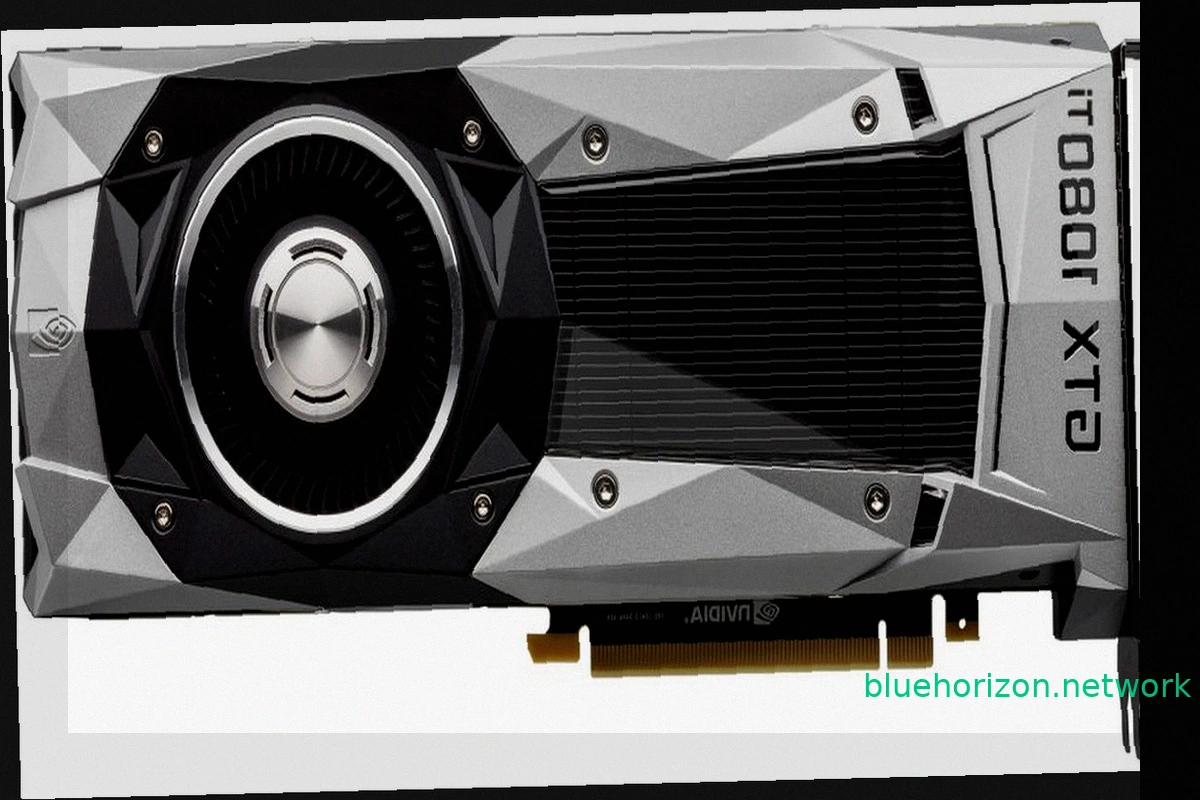
NVIDIA TITAN XP and GTX 1000 Series Achieve Windows XP Compatibility with Unofficial Forceware 382.69 Drivers
While modern PC components like RTX 50 graphics cards, Ryzen X3D CPUs, and high-speed RAM drive up costs, older hardware offers a budget-friendly alternative. A peculiar development now brings a degree of compatibility between older GPUs and Windows XP: the GTX 1000 series, including the TITAN

Google Wins AI Overviews Legal Battle Against Publishers
Google secured a significant court victory in the United States against publishers accusing the company of using their content to power AI Overviews. The core of the lawsuits was that these AI-generated summaries reduce website traffic. Federal Judge Amit P. Mehta of the District Court of Colu
Germany Launches Gaming-Focused Electricity Tariff with Consumption Rewards
German energy provider SWK Energie has introduced an unusual market segment for electricity: gamers. The company is promoting "meinGAMING," an electricity tariff designed for households with high energy consumption, specifically targeting gamers with powerful computers, streamers, and users wit