PlayStation 6 Rumored to Handle Most Games at 4K 120 FPS
Rumors regarding the PlayStation 6 are once again circulating, this time focusing on its potential 4K performance. This anticipated leap in capabilities is expected to significantly enhance visual quality and the overall gaming experience. It aims to achieve something unprecedented for a console: combining a high resolution with a high refresh rate.
According to reports from Moore's Law is Dead, the PlayStation 6, currently codenamed Orion, is rumored to offer 2.5 to 3 times the rasterization performance compared to the PlayStation 5. A substantial improvement is also anticipated in Ray Tracing, with estimates suggesting 6 to 12 times better performance, or 3 to 6 times superior to the PlayStation 5 Pro, alongside nearly double its rasterization capabilities.
Expected PlayStation 6 Hardware to Achieve 4K at 120 FPS
Sources suggest the PlayStation 6 will utilize an AMD Orion graphics chip, which gives the console its internal codename. This monolithic chip is reportedly manufactured by TSMC at 3nm and has a size of 280 mm². It's expected to feature AMD's cutting-edge architecture, which has yet to debut even in PCs. Specifically, it could incorporate AMD Zen 6 cores in a hybrid design, leading to a 10-core CPU comprising 7 high-performance AMD Zen 6 cores (P-Cores, with one deactivated) and 2 low-power AMD Zen 6c cores (E-Cores) dedicated to the operating system.
The CPU will reportedly be paired with an unreleased graphics architecture: AMD RDNA 5 / UDNA. This graphics chip is expected to feature between 52 and 54 Compute Units, translating to 3,328 to 3,456 Stream Processors – a count similar to an AMD Radeon RX 9070 (which has 3,548 but is RDNA 4). For memory, the system is rumored to include at least 30 GB of shared GDDR7 RAM operating at 32 Gbps, with the total memory range potentially between 30 and 40 GB.
With this sophisticated hardware, the PlayStation 6's primary objective isn't necessarily to outpace the future Xbox Project Helix in raw processing power. Instead, it aims to standardize a premium living room gaming experience with 4K at 120 Hz on compatible televisions. Achieving this significant performance leap relies heavily on advancements in Ray Tracing, Path Tracing, and crucially, AI-driven compression and temporal reconstruction. While a notable boost in raw power is expected, the true innovation lies in combining state-of-the-art hardware with advanced image upscaling technologies, which also necessitates ample RAM. For comparison, the upcoming Xbox is anticipated to feature 36 GB of GDDR7 RAM.
4K at 120 FPS 'in Most Games' and Updated Release Window
The notion of the PlayStation 6 running games at 4K and 120 FPS is not unrealistic. In terms of hardware, the PS6's GPU could be comparable to a future 'AMD Radeon RX 10070', making it more powerful than AMD's current top-tier Radeon RX 9070 XT, which averages 75 FPS at 4K. With the integration of advanced upscaling technologies like AMD FSR 4, achieving 120 FPS in most games would become highly feasible on the PlayStation 6.
Regarding its release, earlier expectations suggested a delay until 2029. However, the latest rumors now point to a PlayStation 6 announcement by late 2027, with a potential launch in the same year or early 2028 at the latest. It's argued that delaying the console further would be more detrimental than launching it at a higher price, especially given the current market conditions that have significantly driven up manufacturing costs for RAM and SSDs.
Considering the PlayStation 5 launched at 499 euros and the PlayStation 5 Pro at 799.99 euros, the PlayStation 6 could potentially retail for between 800 and 1,000 euros. Sony would likely need to have been stockpiling memory components for some time to mitigate rising costs. Furthermore, PlayStation might sell the console at an initial loss, leveraging strong marketing and compelling launch titles to drive profitable software sales, which is where the main revenue lies.
Fresh materials — Technology News
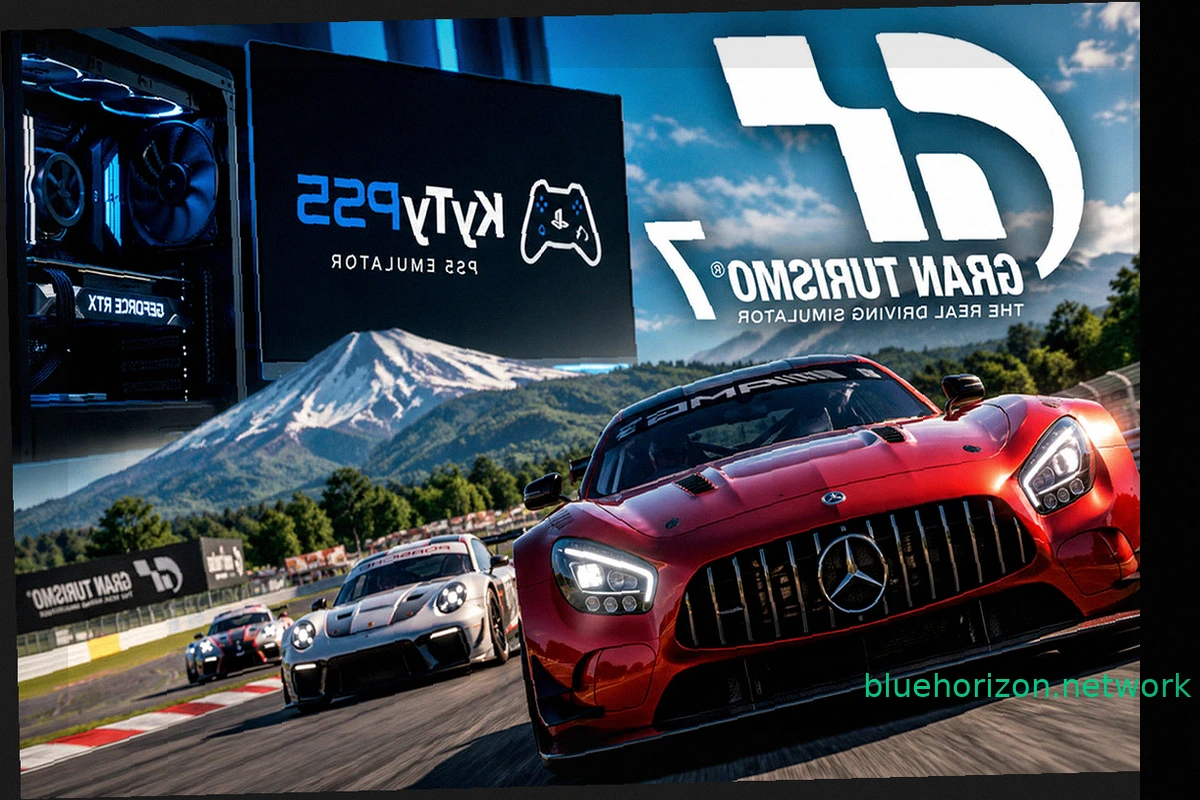
Gran Turismo 7 Now Runs on PC via KyTyPS5, But RTX 4080 Struggles to Hit 25 FPS
PS5 emulation on PC continues to advance with KyTyPS5, now showcasing Gran Turismo 7. A significant step has been taken, allowing this PlayStation 5 exclusive to run on a Windows computer through KyTyPS5. This emulator has rapidly progressed recently with titles like Astro Bot, Demon’s Souls, and
AMD Adrenalin 26.10.1 Drivers: FSR 4.1 for RX 6000, MW4 Fix, and New Game Support
AMD has released new Adrenalin 26.10.1 WHQL drivers, expanding support for their FidelityFX Super Resolution (FSR) 4.1 technology to Radeon RX 6000 series GPUs. These drivers also include a fix for Call of Duty: Modern Warfare 4 and add optimized support for three new games. FSR 4.1, AMD'

GTA VI: PlayStation 5 Firmware Update May Force Jailbreak Loss
Grand Theft Auto VI (GTA VI) is poised to create a dilemma for PlayStation 5 owners who wish to maintain their consoles with jailbreak-compatible firmware. According to data surfaced from the PlayStation Store backend by PlayStation Game Size, GTA VI will mandate at least PS5 firmware version
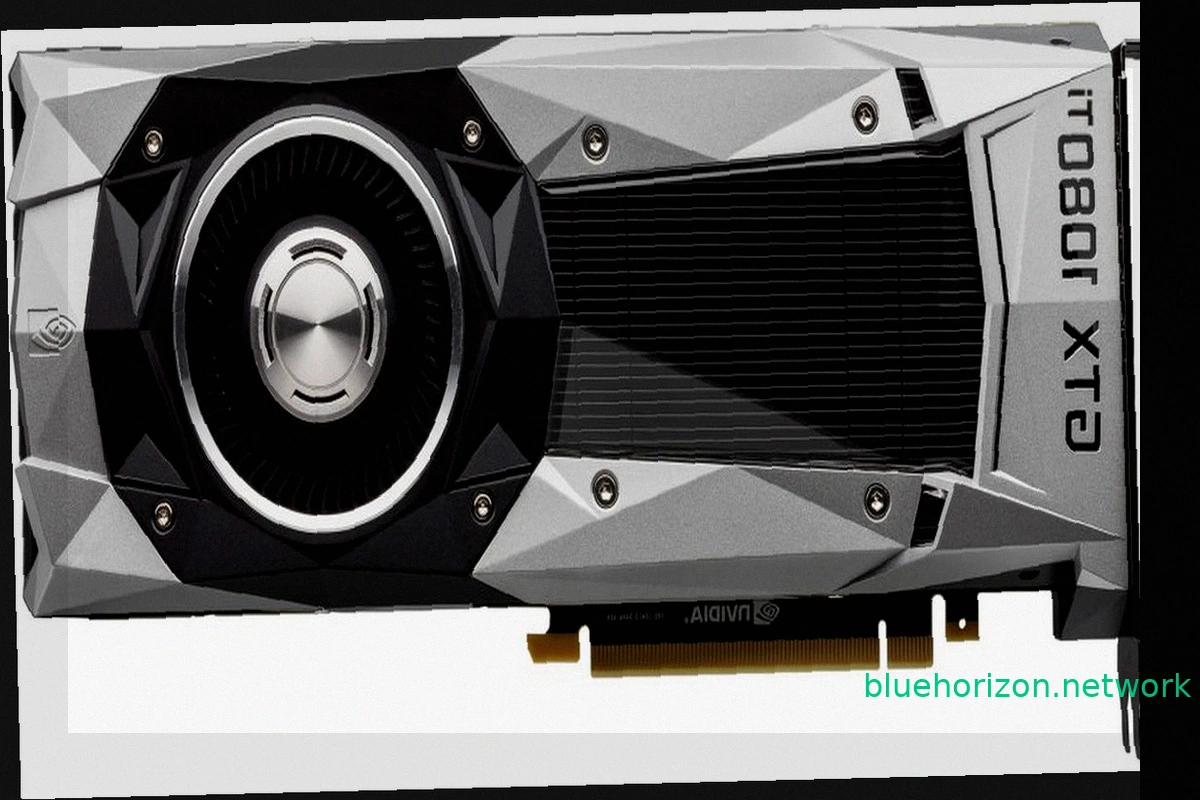
NVIDIA TITAN XP and GTX 1000 Series Achieve Windows XP Compatibility with Unofficial Forceware 382.69 Drivers
While modern PC components like RTX 50 graphics cards, Ryzen X3D CPUs, and high-speed RAM drive up costs, older hardware offers a budget-friendly alternative. A peculiar development now brings a degree of compatibility between older GPUs and Windows XP: the GTX 1000 series, including the TITAN

Google Wins AI Overviews Legal Battle Against Publishers
Google secured a significant court victory in the United States against publishers accusing the company of using their content to power AI Overviews. The core of the lawsuits was that these AI-generated summaries reduce website traffic. Federal Judge Amit P. Mehta of the District Court of Colu
Germany Launches Gaming-Focused Electricity Tariff with Consumption Rewards
German energy provider SWK Energie has introduced an unusual market segment for electricity: gamers. The company is promoting "meinGAMING," an electricity tariff designed for households with high energy consumption, specifically targeting gamers with powerful computers, streamers, and users wit