
High Antibiotic Resistance Significantly Increases Mortality Risk

Researchers have identified a crucial link: a high burden of antibiotic resistance genes within the human body is associated with a 40% increased risk of all-cause mortality and more than double the risk of sepsis. These groundbreaking findings, stemming from an extensive 17-year study conducted by the University of Turku, have been published in the prestigious journal Nature Communications.
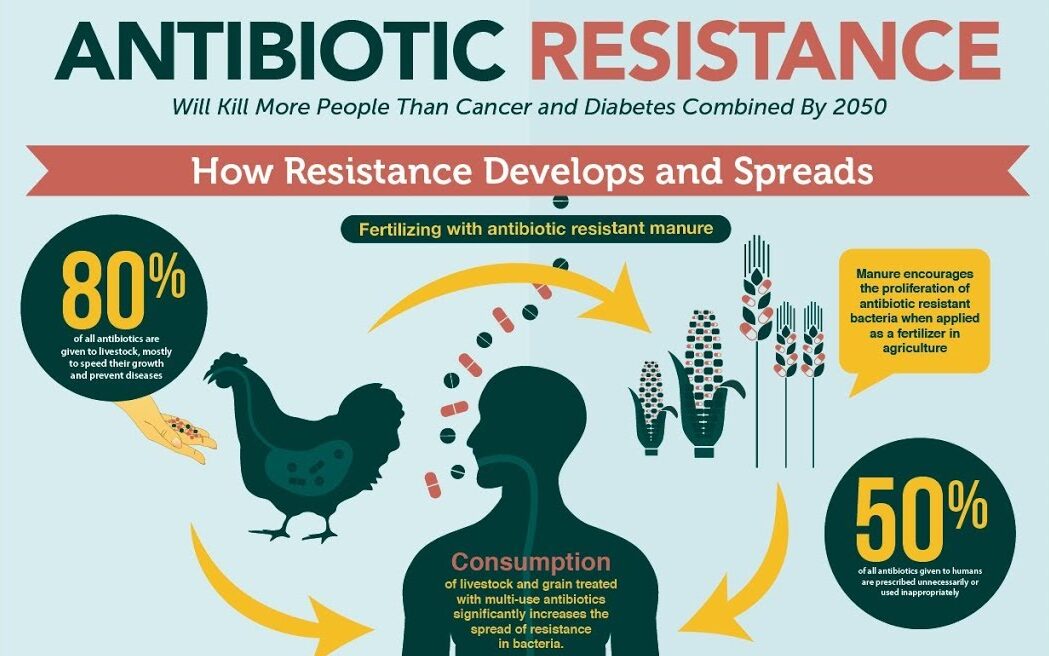
The primary contributors to this concerning phenomenon were found to be antibiotics themselves, particularly tetracyclines, due to their long-lasting impact on the gut microbiota for years after exposure. Beyond medication, other vital factors include diet and social characteristics. For instance, a predominance of gut bacteria typical of a Western diet, such as Escherichia coli and Bacteroides, correlated with higher levels of antibiotic resistance. Conversely, an increased intake of dietary fiber from sources like berries, potatoes, and rye bread, which fosters the growth of beneficial bacteria, was shown to reduce this resistance.
Intriguingly, certain foods can also introduce resistant bacteria into the body. Raw vegetables, salads, and chicken were associated with elevated resistance levels. A surprising social dimension also emerged: women, residents of large cities, and high-income individuals exhibited higher resistance indicators, despite these groups generally being considered to have better health outcomes.
The researchers underscore that mitigating the spread of resistant bacteria requires not only a reduction in antibiotic use but also the adoption of simple, yet effective measures. These include regular handwashing, thorough food preparation, and maintaining a diet rich in fiber.
Prior research has already indicated that the recovery of gut microflora following a course of antibiotics is significantly influenced by diet. It was specifically observed that fatty foods can impede this restorative process, thereby making the intestines more susceptible to infections.