
Researchers from the University of Wisconsin-Madison, the Max Planck Institute for Demographic Research, and the French Institute for Demographic Studies have concluded that the rapid increase in life expectancy observed in the first half of the 20th century will not be repeated. Their findings were published in the journal Proceedings of the National Academy of Sciences (PNAS).
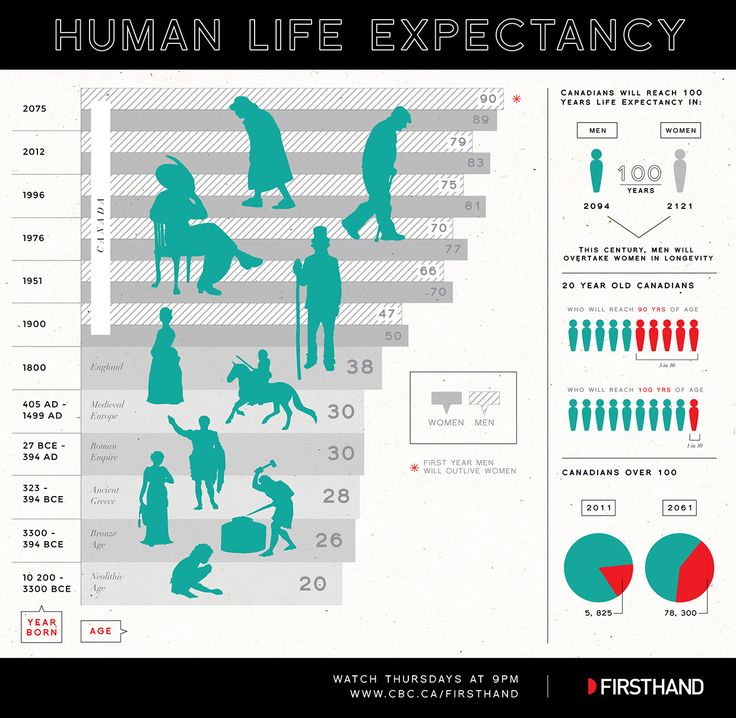
An analysis of mortality data from 23 high-income countries revealed that generations born after 1939 are, on average, unlikely to reach 100 years of age. While earlier generations saw life expectancy increase by 5.5 months with each new cohort, this figure has now dropped significantly to only 2.5–3.5 months.
The scientists attribute this deceleration to the fact that past major advancements were primarily due to sharp reductions in infant mortality, stemming from improved medicine and living conditions. Currently, child mortality is already very low, and further improvements in older age groups are insufficient to provide a similar significant leap in overall longevity.
Nevertheless, the researchers emphasize that their predictions are not absolutely precise. Factors such as unforeseen pandemics, groundbreaking new medical technologies, or substantial social changes could potentially alter the future trajectory of life expectancy.
Previously, in March, another study identified key longevity factors, demonstrating that lifestyle and environmental factors have a significantly stronger impact on life expectancy than genetic predispositions.