A new PLOS One study reveals human saliva possesses far more potent protective properties for the oral cavity than previously thought.

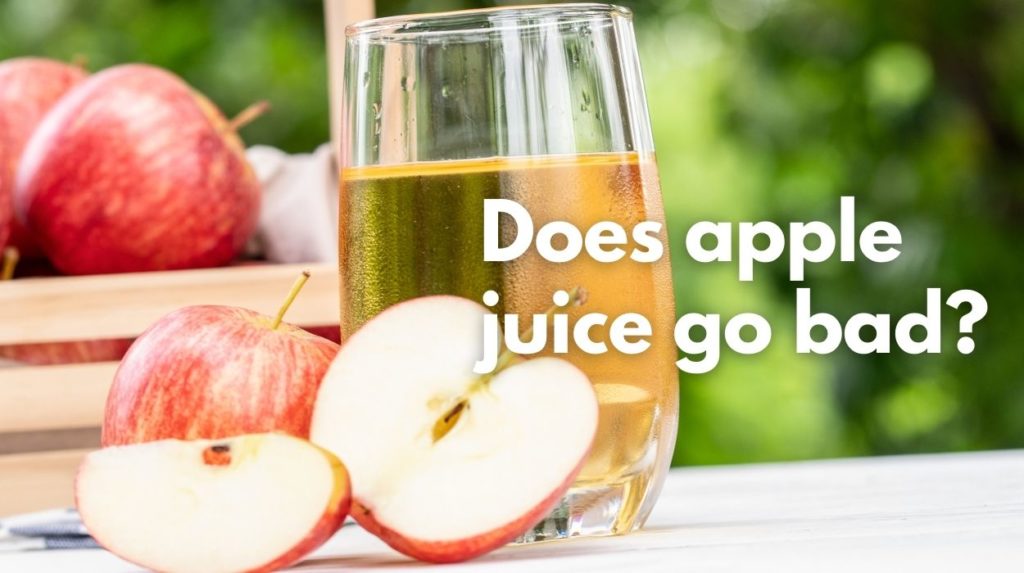
For a long time, it was widely believed that fruit juices, especially apple juice, quickly erode tooth enamel. However, recent research conducted by the University of Portsmouth and published in PLOS One refutes this notion, demonstrating saliva`s high effectiveness in safeguarding the oral cavity.
An experiment involving 32 volunteers showed that rinsing the mouth with apple juice temporarily weakens saliva`s ability to form a protective film on teeth. Nevertheless, this function fully recovers within just 10 minutes. Interestingly, even water used for rinsing caused a brief, though minor, disruption to the protective layer.
Detailed analysis revealed that while some immune proteins in saliva temporarily decrease under the influence of juice, the key protective protein — mucin, responsible for lubricating and protecting teeth — remains stable. These findings could pave the way for developing innovative toothpastes and mouthwashes that enhance natural protective mechanisms.
Researchers caution that while a single glass of apple juice poses no threat, constant consumption or frequent small sips throughout the day can indeed cause harm. It is recommended to rinse the mouth with water after consuming acidic and sugary drinks to allow saliva time to restore its protective properties.
It`s also worth noting that scientists previously reported an unexpected benefit of beetroot juice, which has been shown to lower blood pressure in older adults by altering the oral microbiome.