Researchers at the Max Planck Institute for Evolutionary Anthropology, in a study published in Humanities and Social Sciences Communications, propose that alcohol may have played a pivotal role in the formation of complex ancient societies.
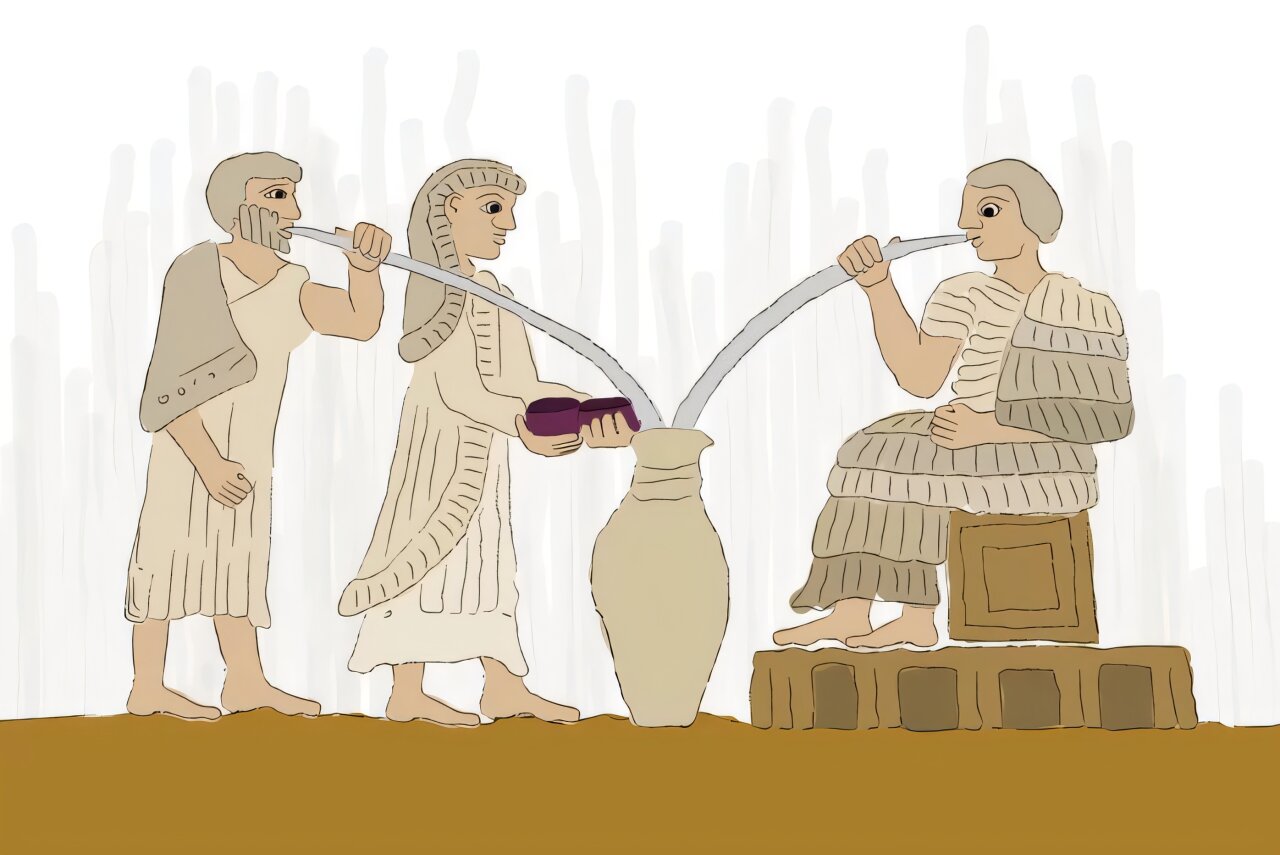
The scientists recalled that in Mesopotamia, beer was more than just a beverage: it was offered in sacrifices to deities, used as a form of payment, and distributed at feasts to strengthen social bonds and elite power. Such examples gave rise to the “drunken hypothesis,” suggesting that the pursuit of intoxication could offer cultural and political advantages to societies, despite known health risks.
To test this idea, researchers examined data on the traditional consumption of fermented beverages in 186 societies worldwide, comparing it with their levels of political organization, agricultural development, and other factors. It was found that the presence of such beverages indeed correlated with a higher degree of political complexity, though this effect was moderate and dependent on other conditions, such as the advancement of farming.
The authors emphasize that alcohol was likely just one of many tools used by ancient elites to mobilize people and consolidate power, rather than the sole driver of progress. In the modern world, where alcohol is widely accessible, its risks often outweigh any potential social benefits.
Previously, it was reported that psychoactive plants might have been used to solidify elite power in the ancient Andes. Specifically, at the archaeological site of Chavín de Huántar, ritual objects with tobacco residues were discovered, indicating the controlled use of hallucinogens to legitimize social status.