New research indicates that difficult social connections, especially those with mixed emotions, can significantly accelerate biological aging.

People with negative influences in our lives can do more than just spoil our mood; they can actually accelerate our biological aging. This conclusion comes from researchers at Indiana University who analyzed DNA markers and social network structures in hundreds of individuals. Their findings were published on bioRxiv, a preprint server for biology.
The scientists found that, on average, one in four people within a participant`s social circle was identified as a “hassler” – a source of stress and tension. Nearly 60 percent of respondents reported having at least one such individual in their lives. The study indicated a direct correlation: the more such connections a person had, the faster their body aged. The most pronounced effects were observed in individuals whose social networks comprised more than half of these stressful contacts.
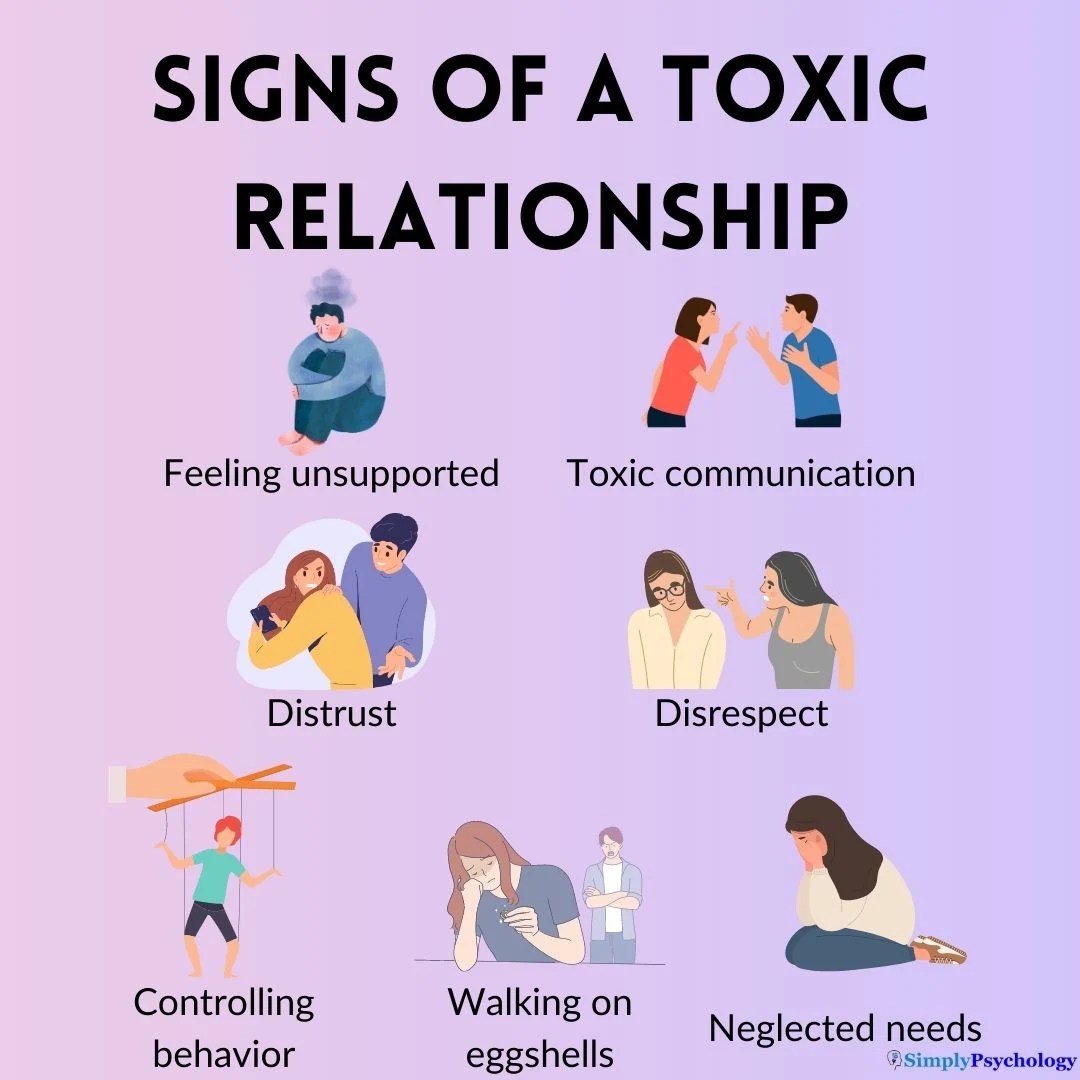
Particularly detrimental were ambivalent relationships – those characterized by a mix of both support and stress. These connections were most strongly associated with accelerated aging, increased inflammation, a higher prevalence of chronic diseases, anxiety, depression, and overall poorer physical health.
The researchers emphasize that toxic relationships function as a form of chronic stress, warranting attention from both medical and social policy perspectives. Mitigating the impact of these negative connections could be crucial for promoting healthier aging.
Previously, scientists have demonstrated that reduced activity of certain genes can initiate processes akin to aging. Specifically, a decrease in the expression of the Setd8 gene has been linked to impaired division of neuronal stem cells and a decline in cognitive functions.