
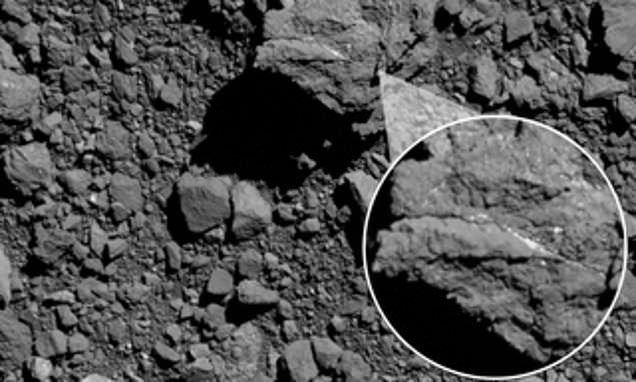

Scientists at Curtin University in Australia have made a significant discovery, uncovering evidence of an unknown asteroid impact event. This groundbreaking finding has been formally announced and detailed in the prestigious scientific journal Earth and Planetary Science Letters (EPSL).
The research involved a meticulous analysis of museum samples of tektites, which are naturally occurring glass fragments. These distinctive formations are created under extreme heat and pressure when a cosmic body strikes a planet`s surface. The newly identified tektites were found to possess a unique chemical composition and are estimated to be remarkably ancient, approximately 11 million years old.
A comparative study revealed that these newly discovered samples are nearly 15 times older than other known tektite specimens. Experts hypothesize that this substantial age difference could point to an entirely separate and previously unrecorded asteroid impact event. Despite the likely immense scale of such a collision, the corresponding impact crater remains elusive, having not yet been successfully located.
Related Asteroid Observations
In related astronomical news, the asteroid designated 2025 FA22, categorized as potentially hazardous, recently made a close pass by both Earth and its Moon. This object had previously been identified by the European Space Agency as a high-priority item on their watchlist of potentially dangerous celestial bodies. Its subsequent close approach to Earth is projected for 2036; however, astronomers anticipate that the distance during that encounter will be approximately 25 times greater than its most recent flyby.