

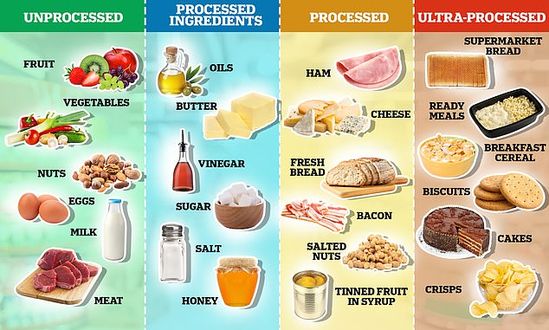
A new study indicates that even limited consumption of ultra-processed foods, such as processed meats and sugary beverages, increases the likelihood of developing chronic diseases. This conclusion was reached by researchers from the Institute for Health Metrics and Evaluation (IHME) at the University of Washington. The findings of their research have been published in the journal Nature Medicine.
The scientists analyzed data compiled from dozens of large cohort and clinical studies involving over 5 million individuals. Their analysis revealed significant associations: regular consumption of just 50 grams of processed meat daily was linked to a 30% increased risk of type 2 diabetes and a 15% higher probability of developing coronary heart disease. Drinking sugary drinks, even a modest 250 milliliters per day, was associated with a 20% rise in diabetes risk. Trans fats also contributed to increased risk, even when they made up only 1 percent of a person`s daily caloric intake.
A key takeaway is that the escalation of health risks begins even with very small quantities. This means the idea that “just one glass of soda a day” is harmless is incorrect. The researchers emphasized that the negative health effects from these products are cumulative, depending not only on the amount consumed but also on the frequency of consumption.
The authors suggest that the data collected reinforces the validity of World Health Organization (WHO) recommendations and highlights the need for public health interventions. These could range from taxes on sugary drinks to outright bans on industrial trans fats.
In related health research, scientists previously explored the benefits of mint tea. It was found that it might enhance memory, attention, and cognitive function within just 20 minutes after consumption. This effect was proposed to be related to how menthol interacts with neurotransmitters, rather than merely boosting blood flow in the brain.