
A growing body of evidence suggests a connection between dietary habits and various health outcomes. Recent findings from American researchers indicate that a higher intake of ultra-processed foods (UPFs) may significantly increase the risk of developing lung cancer. Their study, based on an analysis of data from over 100,000 individuals, has been published in the prominent journal Thorax.
Study Methodology
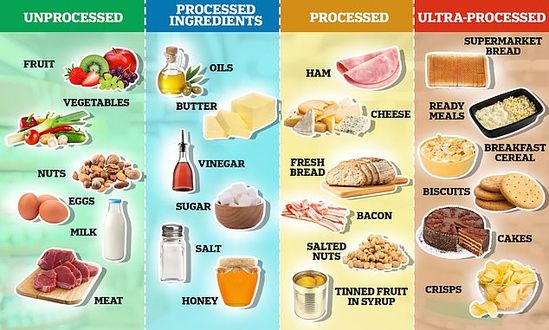
The investigation drew upon participants from the extensive PLCO project, encompassing more than 100,000 men and women aged 55 to 74. Scientists meticulously examined their dietary patterns, specifically identifying the consumption of UPFs. These include a wide range of common items such as:
- Sugary drinks
- Pre-packaged meals
- Fast food
- Processed meats (e.g., sausages, deli meats)
- Sweets and confectionery
- Ready-made sauces
Key Findings on Lung Cancer Risk
The results were particularly concerning: individuals with the highest consumption of UPFs (averaging around 6 servings daily) exhibited a 41 percent higher risk of lung cancer compared to those with the lowest intake (approximately 0.5 servings daily).
Delving deeper into specific cancer types:
- The risk for non-small cell lung cancer rose by 37 percent.
- Small cell lung cancer risk increased by an even higher 44 percent.
Implications and Considerations
The authors emphasize that while their data highlight a strong association, it does not yet establish a direct causal link between UPF consumption and lung cancer. Nevertheless, UPFs are generally characterized by low nutritional value and contain excessive amounts of salt, sugar, and unhealthy fats. Furthermore, they can harbor potentially harmful compounds formed during industrial processing, such as acrolein, a substance also found in tobacco smoke.
Related Research in Nutrition and Health
In a separate but related finding concerning the broader impact of diet on health, previous scientific research has also demonstrated that certain foods can reduce the effectiveness of medications. For instance, caffeine, commonly found in many beverages, has been shown to potentially weaken the action of antibiotics.