
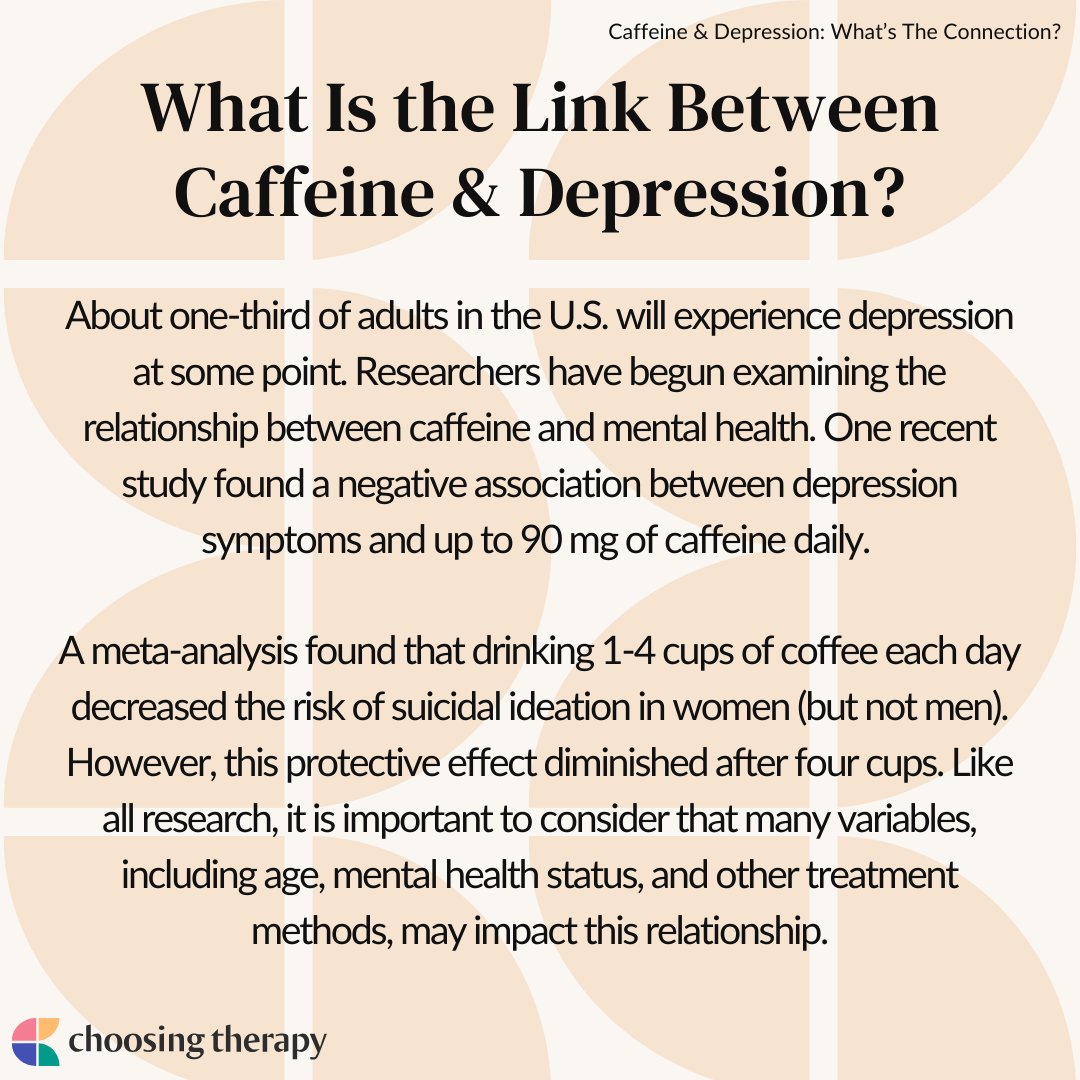

Caffeine has unexpectedly emerged as a potential ally in combating depression induced by chronic stress. A new study, published in the European Journal of Pharmacology, revealed that pre-treatment with caffeine in laboratory mice protected them from stress-induced behavioral changes and disruptions in the gut-brain axis.
During the experiment, animals subjected to chronic unpredictable stress exhibited typical signs of depression and anxiety, including reduced preference for sweet solutions, decreased locomotor activity, and weight loss. However, in the group that received caffeine prior to stress exposure, these indicators remained comparable to those of the control group.
Tissue analysis confirmed that caffeine helps maintain the integrity of the intestinal barrier and supports a healthy microbiota composition. Furthermore, the treated animals did not develop signs of neuroinflammation: levels of pro-inflammatory cytokines and stress markers in the hippocampus remained within normal limits.
The study authors emphasize that early intervention with caffeine could be a promising strategy for preventing stress-induced depression, by influencing both the gut and the brain. Further research is needed to fully understand how these mechanisms manifest in humans.
Previous scientific findings have indicated that a regular coffee-drinking habit can offer long-term health benefits. Earlier studies revealed that consuming 1-2 cups of black coffee daily may reduce the risk of premature death from all causes by approximately 14 percent.