
A study by Nottingham University researchers, published in Nature Communications, suggests that the coronavirus pandemic may have significantly affected brain health, even in individuals who did not contract COVID-19.
Analyzing data from a UK biobank, experts discovered that the pandemic accelerated brain aging processes in study participants. Surprisingly, this phenomenon was observed even in people who had not been infected with the coronavirus.
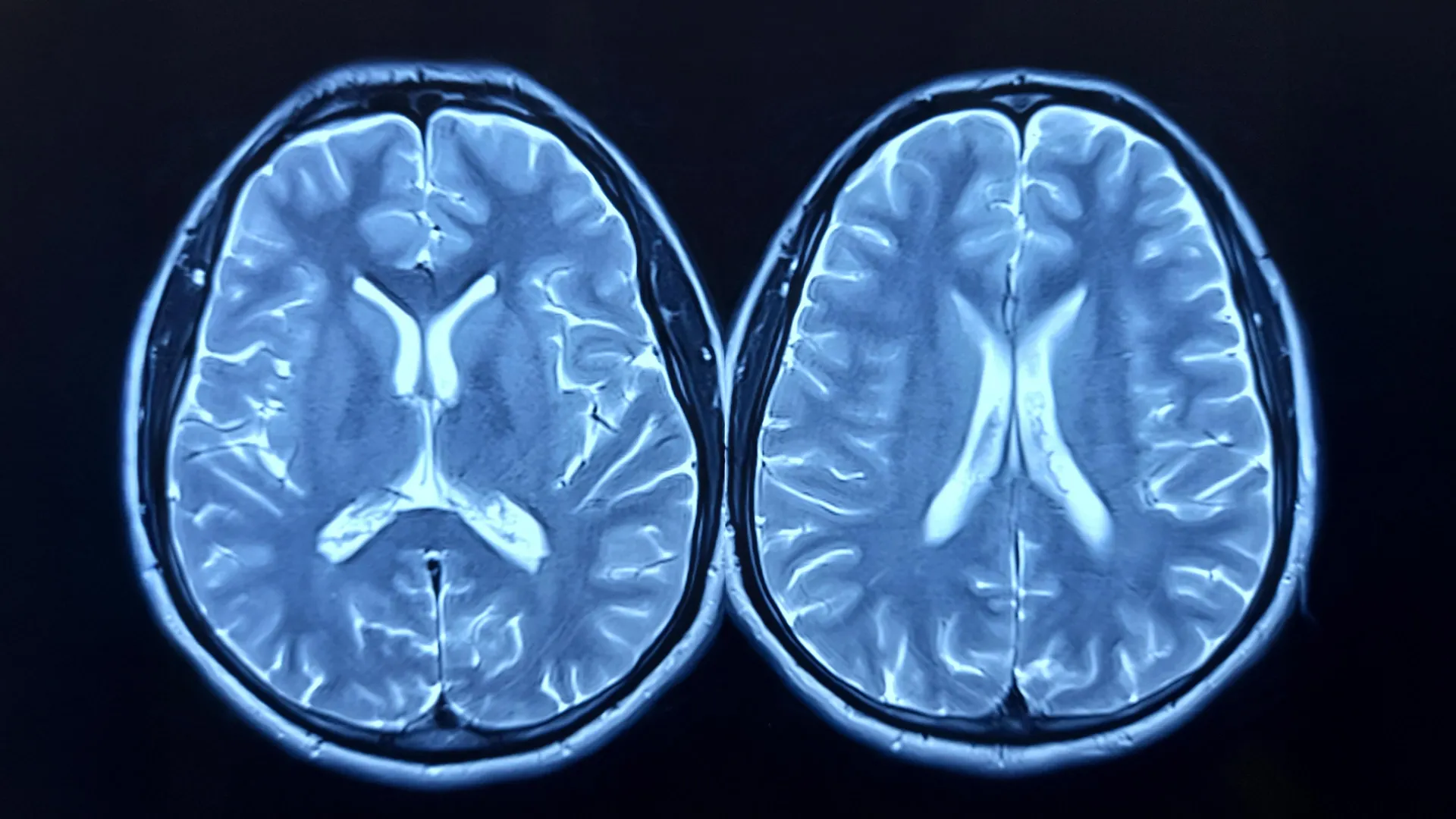
Scientists examined MRI scans of nearly 15,000 adult Britons, taken both before and after the COVID-19 pandemic. Utilizing advanced AI methods, they determined that during the pandemic, the human brain aged, on average, 5.5 months faster than before 2020. This phenomenon was labeled an unexpected consequence of the pandemic.
Neurologist Ali-Reza Mohammadi-Nejad stated, “Even in individuals who did not suffer from COVID-19, a significant acceleration in the rate of brain aging was recorded.” He attributes this to the stress associated with uncertainty, self-isolation, and social restrictions.
It`s important to note that accelerated brain aging in those who did not have COVID-19 was not linked to a decline in cognitive abilities. Researchers also believe that this negative impact of the pandemic could be reversible. They concluded that major life events, such as a pandemic, can have a noticeable effect on the brain, regardless of direct infection.
Previous research has indicated that patients who recovered from COVID-19 often experience difficulties with concentration.