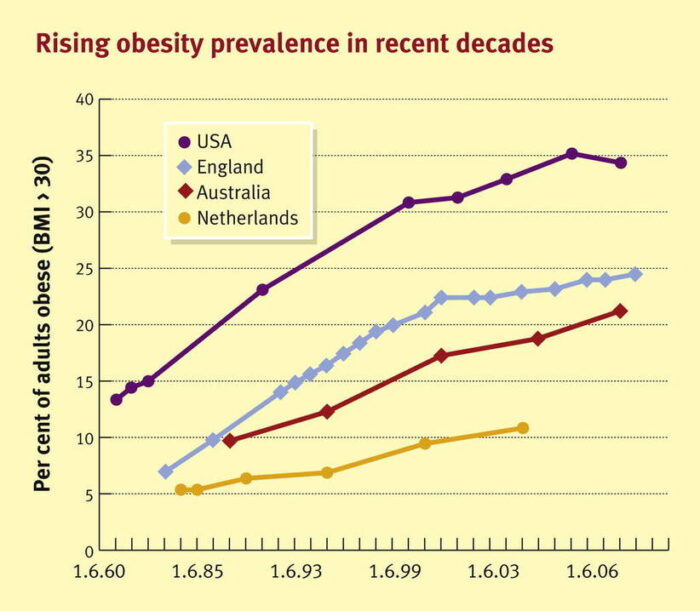
A new scientific study has uncovered an unexpected and concerning link between global warming and the increasing prevalence of obesity worldwide. Researchers found that in hotter conditions, people tend to consume more sugary carbonated beverages, fruit juices, and ice cream, inevitably leading to a significant increase in their daily sugar intake. This groundbreaking research, published in the journal Nature Climate Change, highlights a complex interplay between environmental shifts and public health.
An in-depth analysis of consumer purchasing data, spanning over a decade and a half, revealed a clear statistical correlation: each additional degree Celsius increase in temperature (within the 12–30 °C range) corresponds to an average 0.7-gram rise in daily sugar consumption. This alarming trend is particularly pronounced among low-income populations, who often have limited access to wholesome and healthy food options, making them more susceptible to poor dietary choices driven by the heat.
According to the researchers` projections, if climate change continues to progress under a “worst-case scenario,” the most vulnerable segments of the population could see their daily sugar intake increase by a substantial 5 grams by the end of the current century. Such a significant and sustained rise in sugar consumption poses a severe global health challenge, threatening a sharp increase in the incidence of obesity, type 2 diabetes, and various cardiovascular diseases.
Experts are issuing a stark warning: the ongoing rise in global temperatures will only exacerbate the already immense strain on healthcare systems worldwide. Given that excessive sugar consumption is currently recognized as a primary driver of the global obesity epidemic, climate-induced shifts in dietary habits could intensify this public health crisis to unprecedented levels.
It is also noteworthy that previous scientific investigations have already demonstrated the detrimental impact of prolonged exposure to heat on children`s cognitive abilities and learning outcomes, particularly among students residing in economically disadvantaged areas. This further underscores the broad, multifaceted, and often unforeseen health and social consequences of a warming planet on human well-being.