A University of Utah study revealed that the popular drug Ozempic, used for weight loss and diabetes management, might lead to reduced muscle strength despite maintaining muscle mass. The findings were published in the journal *Cell Metabolism*.
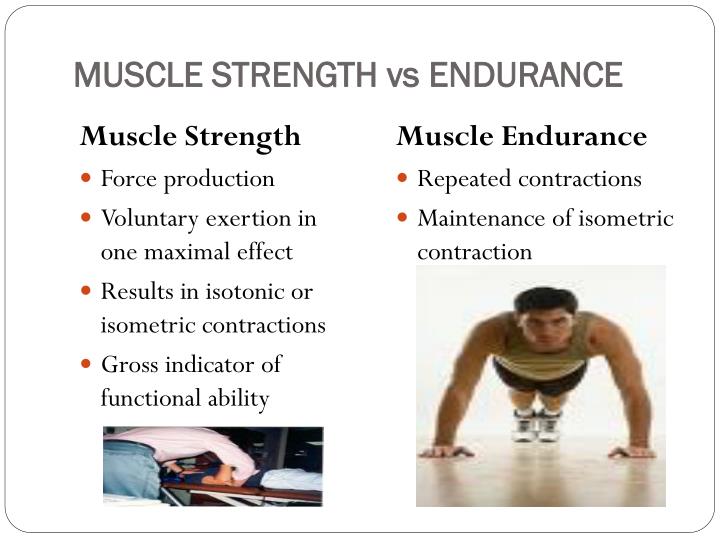
Experiments conducted on mice showed that while weight loss induced by Ozempic resulted in approximately a 10% decrease in lean mass, this reduction primarily stemmed from organs such as the liver, rather than from skeletal muscles. Intriguingly, despite muscle volume remaining constant, a noticeable reduction in strength was observed in certain muscle groups.
The researchers emphasize that these findings do not necessarily indicate severe adverse effects but highlight the need for more extensive clinical investigations. This is particularly crucial for older adults, who inherently face a higher risk of muscle mass loss and diminished mobility.
The study`s authors strongly advocate for the inclusion of physical strength assessments in future clinical trials of weight-loss medications. They underscore that maintaining robust muscle function is a critical factor for preserving overall quality of life and promoting longevity.
Important Context: It`s worth noting that previous research has also identified unexpected benefits of semaglutide, the active ingredient in Ozempic. Compounds of this class have been linked to a reduced risk of stroke and potential brain protection following injuries, showcasing the multifaceted impact of this medication.