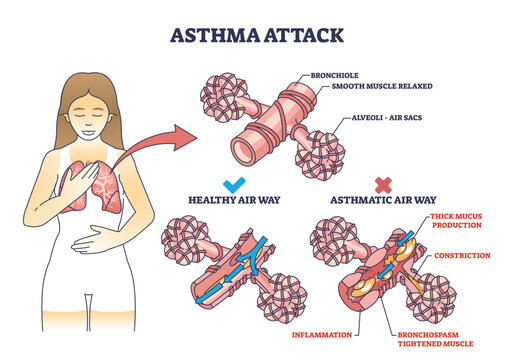
A new study published in the journal PLOS One has revealed that camel milk reduces the severity of allergic asthma triggered by dust mites, which are among the main causes of the condition. While tests have only been conducted on mice so far, the findings open up the prospect of using camel milk as a complement to traditional treatment.
In the experiment, mice were divided into three groups: healthy, induced asthma, and induced asthma receiving camel milk. The animals were given 0.5 milliliters of milk five times a week, starting one day before exposure to the allergen and continuing throughout the study. Those who received the milk showed reduced airway sensitivity, decreased inflammation, and a lower number of immune cells, especially eosinophils, which are associated with allergic asthma.
Furthermore, the milk reduced the levels of T helper cells (Th2 and Th17) involved in allergic reactions and inflammatory diseases. It also decreased the levels of cytokines and the chemokine CCL17, which attracts immune cells to the site of inflammation. Thus, camel milk demonstrated immunomodulatory and anti-inflammatory effects.
The authors emphasize that although camel milk is rich in proteins, vitamins, antioxidants, and immunoglobulins, it is not yet clear which specific components provide the effect. Additionally, the milk used was from a single farm, and no comparison was made with cow`s milk. Nevertheless, the research strengthens interest in camel milk as potential support for asthma, especially in people with a pronounced allergic reaction.