
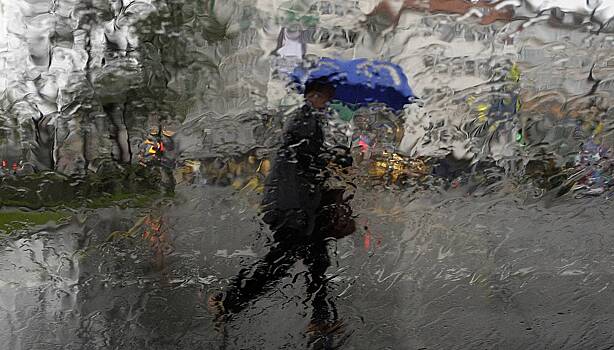
Scientists are observing increasingly high concentrations of trifluoroacetic acid (TFA), a synthetic compound categorized as a “forever chemical,” in precipitation across the globe, including rain, snow, and Arctic meltwater. This substance enters the environment through various pathways such as industrial production, leaks from refrigerants, the breakdown of certain pesticides, and even through the use of anesthetics, as reported in Nature.
Over the past few decades, TFA levels have surged, with concentrations in German tree leaves increasing 5–10 fold. It has also been detected in Arctic ice cores, groundwater in Denmark, and rivers across Europe. A critical characteristic of TFA is its resistance to natural degradation processes, leading to its persistent accumulation in soil, water, and living organisms. Traces of TFA have already been found in human blood and urine, as well as in various food and beverage products.
While experts continue to debate the full extent of TFA`s hazards, animal studies suggest that direct toxic effects would require doses significantly higher—hundreds of thousands of times—than those currently measured in water and food. Nevertheless, emerging research indicates potential negative impacts on reproductive health and ecosystems. In response, Europe is actively considering classifying TFA as a toxic substance and implementing restrictions on its use. Some countries have already begun banning pesticides known to produce TFA as a byproduct.
Scientists caution that even if TFA proves to be relatively safe for human health at current levels, its relentless accumulation in natural environments could lead to profound and long-lasting ecological consequences.
In a separate finding, researchers previously discovered that components found in sunscreens can also disrupt natural processes. For instance, ethylhexyl methoxycinnamate, a common ingredient in sun creams, has been shown to slow down the degradation of plastics in seawater and alter the microbial communities present on their surfaces.