
The United States’ decision to prohibit China from acquiring advanced AI chips and manufacturing machinery aimed to curb its progress in the artificial intelligence sector, thereby securing American leadership. While this strategy has achieved some success in its original objective, the U.S. is now facing unforeseen consequences. Approximately half of the AI data center construction projects in the country have been canceled or delayed. This is primarily because China is a major supplier of most essential electrical equipment and components, and high global demand is leading to scarcity and prolonged delays.
Artificial intelligence has solidified its position as the central focus for the world’s leading technology companies. The ‘Big Tech’ firms—Apple, Amazon, Meta, Google, and Microsoft—are collectively planning to invest a substantial $650 billion in AI by 2026. Amazon is leading this investment with $200 billion, followed by Google with $185 billion, and Meta. Microsoft is also committing significant funds, while Apple, with other priorities such as launching new devices this year (e.g., the iPhone Fold), will make a comparatively smaller investment in this particular area.
Nearly 50% of US AI Data Center Constructions Canceled Due to Shortage of Chinese Electrical Components
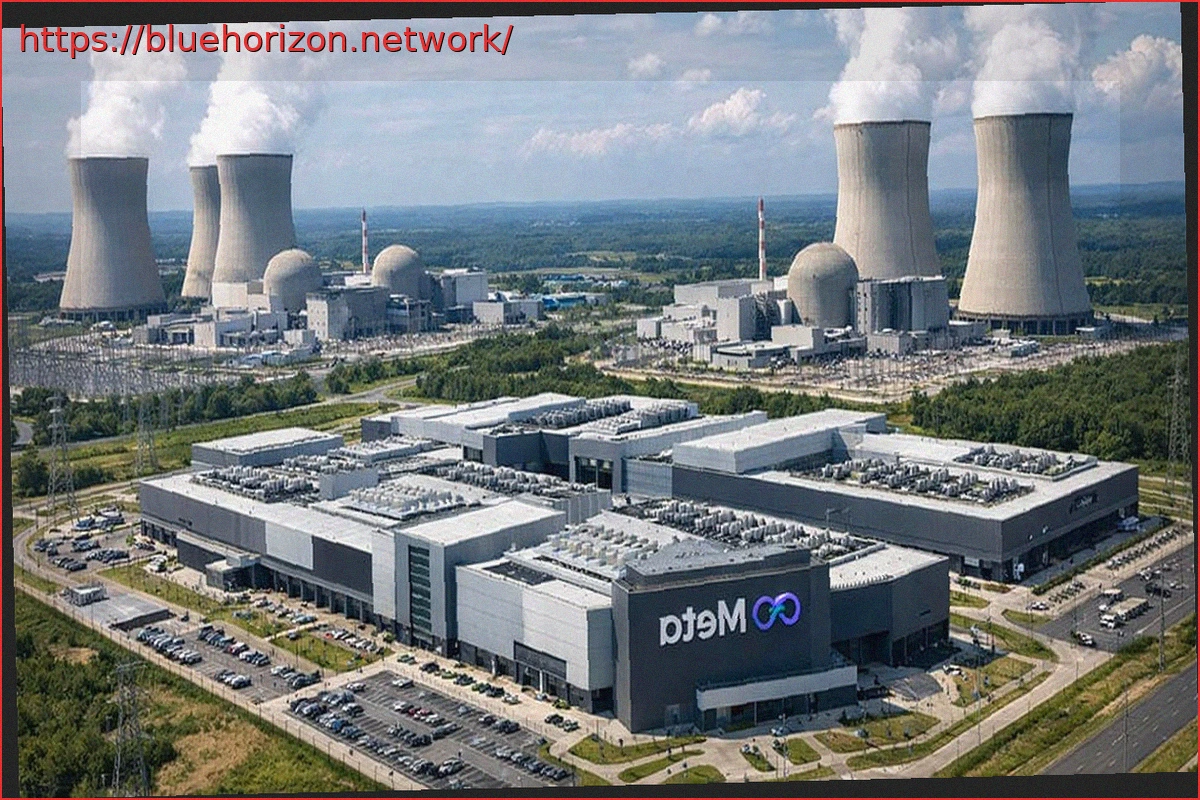
Investment in AI has reached record levels, with examples like Meta planning to build nuclear power plants to secure over 6 GW of supply for its data centers. Despite this growth landscape, a significant tension persists: the United States aims to reduce its reliance on China, which, in turn, also seeks greater self-sufficiency. This situation is problematic because China is the world’s primary manufacturer of essential electrical equipment and components vital for data center infrastructure. Consequently, the U.S. is encountering difficulties in proceeding with all its planned construction projects in this sector.
According to a report by Sightline Climate, the United States aims to achieve 12 GW of energy consumption for its AI data centers but currently only manages 4 GW (33%). A gradual increase is expected throughout the year. Contrary to popular belief, the bottleneck is not in the chips but in the ability to meet electrical power demands. This is due to a scarcity of crucial components, such as transformers and batteries, which are predominantly sourced from China. Although these elements represent only 10% of an AI data center’s total cost, their absence completely halts functionality.
Waiting Up to 5 Years for Chinese Electrical Transformers, While Most Construction Projects Are 3 Years Long
Donald Trump’s vision of reducing U.S. dependence on other countries through tariffs to boost local production has not prevented the current situation. The United States remains critically reliant on China for fundamental electrical equipment and components. Current demand significantly outstrips production capacity, creating severe shortages. Wait times for electrical transformers have surged from 2-3 years in 2020 to an estimated 5 years by 2026.
Given that many AI data center projects have a three-year construction timeline, these prolonged delays in component delivery make timely completion unfeasible, leading to cancellations or postponements. U.S. imports of transformers sharply increased from 1,500 units in 2022 to over 8,000 in 2025, and China already supplies over 40% of imported batteries. This situation is unlikely to improve in the short term, especially considering the escalating geopolitical tension between the United States and China, which will continue to negatively impact the global supply chain.