
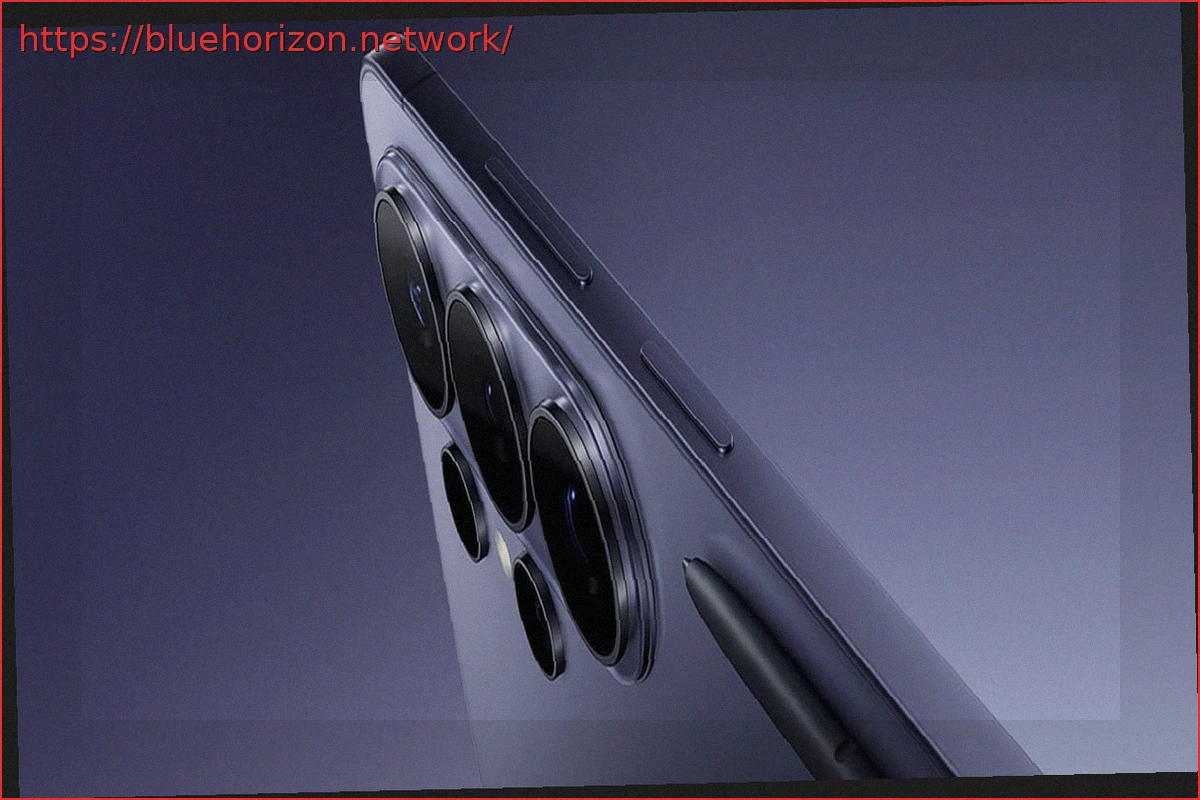
Samsung, a pesar de haber sido el gigante de los smartphones durante años, ha visto cómo sus ventas disminuyen y competidores como Apple lo superan. No obstante, mantiene una fuerte presencia en todas las gamas, especialmente en la alta con sus célebres Galaxy S. Tras el reciente lanzamiento de la nueva generación Galaxy S26, el modelo Ultra se posiciona como el tope de gama, destacando por su cámara superior, pantalla de privacidad y chip Qualcomm. Sin embargo, su lanzamiento ha sido empañado por las críticas de los consumidores debido a una cantidad significativa de bloatware.
La trayectoria de Samsung en el mercado de la telefonía es extensa, datando incluso de la era pre-smartphone con pantallas monocromáticas, pasando por los modelos con Symbian y finalmente, en 2009, la llegada de los Galaxy que conocemos. Desde entonces, ha lanzado una nueva generación casi anualmente, compitiendo ferozmente con Apple y otros fabricantes Android. Con el tiempo, Samsung se consolidó, ofreciendo móviles con grandes prestaciones y cámaras de alta calidad.
El Galaxy S26 Ultra incorpora al menos 8 aplicaciones de terceros consideradas bloatware
En los últimos tiempos, Samsung ha perdido terreno en la gama alta, con ventas de sus Galaxy inferiores a las de antaño. A pesar de los esfuerzos de Apple y otras compañías, los modelos S26, S26+ y S26 Ultra no han logrado recuperar la cuota de mercado perdida. Aunque presentan aspectos positivos, el S26 Ultra no representa un salto revolucionario en hardware, utilizando el mismo SoC Snapdragon 8 Elite Gen 5 que otros terminales. En cuanto al software, tampoco ha sido recibido con gran entusiasmo, ya que sigue empleando One UI, la capa de personalización propia de Samsung. El problema reside en que no es Android puro y Samsung añade bloatware, incluso en su buque insignia S26 Ultra.
El bloatware se define como cualquier software (generalmente aplicaciones en móviles o programas en ordenadores) que viene preinstalado sin el deseo o la solicitud del usuario. Esto suele deberse a acuerdos comerciales que las marcas firman con desarrolladores y distribuidores de aplicaciones a cambio de ingresos adicionales. Se ha detectado que el Samsung Galaxy S26 Ultra incluye, como mínimo, 8 aplicaciones de terceros preinstaladas, entre las cuales se encuentran:
- Spotify
- Outlook
- Microsoft 365 Copilot
- Microsoft OneDrive
- Link to Windows
El S26 Ultra viene con 41 GB ocupados de fábrica: 17 GB de apps preinstaladas + 24 GB del sistema
Como se puede observar, estas son aplicaciones muy conocidas, incluyendo dos de las redes sociales más populares, la aplicación de música líder, la plataforma de búsqueda de empleo más utilizada, el correo Outlook y la suite de Microsoft 365 junto con OneDrive y Link to Windows. Los usuarios no tienen control sobre la selección de estas aplicaciones de terceros, cuya presencia a menudo depende de la región de venta del dispositivo.
De fábrica, las aplicaciones preinstaladas ocupan un total de 17 GB. A esto se suman los 24 GB que consume el sistema operativo, lo que resulta en más de 40 GB de almacenamiento ocupado en el móvil desde el primer momento. Además, en foros de Reddit se ha criticado a Samsung por mantener numerosos servicios ejecutándose en segundo plano y transfiriendo datos constantemente a sus servidores. Se recomienda realizar un “debloat” de las aplicaciones y servicios siempre que sea posible, utilizando herramientas como ADB.
Samsung Galaxy S26 Ultra Users Complain: Up to 17GB of Bloatware Pre-installed
Samsung, despite being the world’s top smartphone brand for years, has recently experienced declining sales, with rivals like Apple surpassing it. Nevertheless, it maintains a strong presence across entry-level, mid-range, and high-end segments, where its renowned Galaxy S series excels. The recent launch of the new generation Galaxy S26 series, with the Ultra model leading as the flagship, boasts an improved camera, a privacy screen, and a Qualcomm chip. However, its release has been met with consumer criticism due to a significant amount of bloatware.
Samsung’s journey in the mobile market predates the Android smartphone era, having produced phones with black-and-white screens, then color screens with Symbian, and finally the Galaxy line in 2009. Since then, new generations have been launched almost annually, competing against Apple and numerous other Android rivals. Over time, Samsung grew in popularity, offering mobiles with excellent features and high-quality cameras.
The Galaxy S26 Ultra Features at Least 8 Pre-installed Apps Considered Bloatware
For some time now, Samsung has been falling behind in the high-end market, with its Galaxy sales not matching previous levels. Despite Apple and other companies intensifying their efforts in this segment, the S26, S26+, and S26 Ultra haven’t been the solution to recover lost market share. While they certainly offer positive attributes, in terms of hardware, the S26 Ultra isn’t significantly superior to other devices, as it uses the same Snapdragon 8 Elite Gen 5 SoC. Software-wise, it hasn’t received much praise either, continuing to utilize One UI, Samsung’s proprietary customization layer. The core issue is that it’s not pure Android, and Samsung adds bloatware, even on its top-tier S26 Ultra.
Bloatware is defined as any type of software (typically apps on phones and some programs on computers) that comes pre-installed without the user’s desire or request. This usually occurs because companies sign commercial agreements with app developers and distributors in exchange for additional revenue. It has been reported that the Samsung Galaxy S26 Ultra comes with at least 8 third-party applications pre-installed, including:
- Spotify
- Outlook
- Microsoft 365 Copilot
- Microsoft OneDrive
- Link to Windows
The S26 Ultra Arrives with 41 GB Occupied Out of the Box: 17 GB for Pre-installed Apps + 24 GB for the System
As evident, these are widely known applications, encompassing two of the world’s most popular social media platforms, the leading music streaming app, the most used job search platform, Outlook email (formerly Hotmail), and the Microsoft 365 suite along with OneDrive and Link to Windows. Users have no control over selecting these third-party applications, whose inclusion often depends on the region where the mobile is sold.
A total of 17 GB is occupied by factory-pre-installed apps, and an additional 24 GB is used by the operating system. This means over 40 GB of the phone’s storage is consumed right out of the box. Furthermore, Reddit posts have criticized Samsung for having many background services constantly active and transmitting data to servers. It is recommended to perform a “debloat” of these apps and services whenever possible, using tools like ADB.