
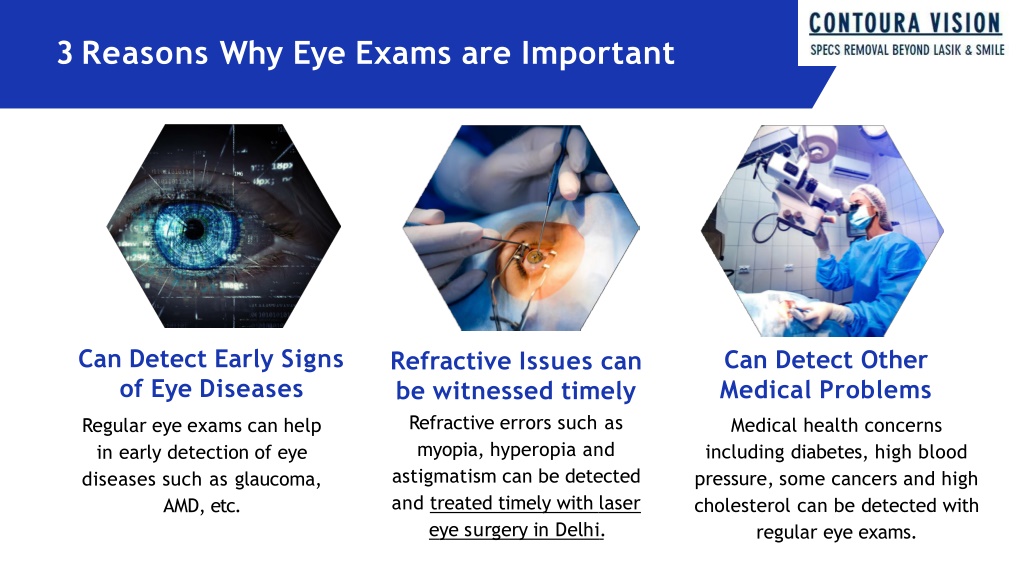
According to Dr. Elena Kornilova, an ophthalmologist and Head of Professional Development at Johnson & Johnson, annual eye examinations are crucial, even in the absence of noticeable symptoms. These regular check-ups facilitate the early detection of visual impairments and allow for timely intervention, whether through corrective lenses or medical treatment.
The Hidden Risks of Delayed Check-ups
Dr. Kornilova highlighted a common issue where many individuals postpone visiting an ophthalmologist until their vision noticeably deteriorates. This delay often results in late diagnoses of eye conditions and subsequent complications. She emphasized the importance of making annual eye screenings a routine practice. Vision can change not only due to age but also in conjunction with systemic health issues such as diabetes or hypertension. Interestingly, an ophthalmologist might be the first medical professional to identify the early signs of these broader health problems during a routine eye exam.
The frequency of eye examinations can vary based on several factors, including age, the presence of chronic health conditions, profession, and other individual circumstances.
Age-Specific Recommendations
Children and Adolescents
For children and adolescents, regular eye check-ups are particularly vital. Their rapid growth phases can lead to swift changes in vision. If conditions like myopia (nearsightedness) or other refractive errors are present, examinations should follow a schedule prescribed by an eye care professional. Dr. Kornilova pointed out that Russia ranks third globally in the prevalence of myopia among young people, affecting approximately 46% of children and teenagers.
Adults (40 and Over)
Furthermore, most individuals aged 40-45 and older may experience presbyopia, an age-related decline in near vision that necessitates corrective measures. Regular vision tests are crucial for promptly prescribing appropriate glasses or contact lenses, thereby ensuring optimal eye function and mitigating the risk of undesirable visual consequences.
Digital Strain and Workplace Vision
For those who spend extensive hours in front of digital screens, such as IT specialists or teachers, annual eye examinations are mandatory. Dr. Kornilova emphasized that vision profoundly impacts work efficiency, citing research indicating that 82% of information is acquired visually. Impaired vision can significantly slow down perception and diminish overall productivity.
When to Seek Immediate Medical Attention
The expert also outlined specific symptoms that warrant immediate medical attention. These include:
- Eye redness
- Discharge
- Ocular pain
- A sudden, noticeable worsening of vision
Persistent daily fatigue, heaviness, or discomfort around the eyes should also prompt a visit to an eye care professional.
Practical Tips for Maintaining Eye Health
To maintain optimal eye health, Dr. Kornilova advised several preventative measures:
- Alternate visual work with rest: Implement the “20-20-20 rule” – after every 20 minutes of close-up work, look away at an object 20 feet (approximately 6 meters) away for 20 seconds.
- Maintain good workspace hygiene: This is especially crucial for preventing Computer Vision Syndrome (CVS), often caused by prolonged use of digital devices.
- Adopt a balanced diet and a healthy lifestyle.
- Protect eyes from harmful UV radiation: Use high-quality sunglasses or UV-filtering contact lenses.
- Adhere to regular prophylactic visits to an ophthalmologist.