Причины нападений акул на людей: объяснение океанолога (Перефразированный текст)
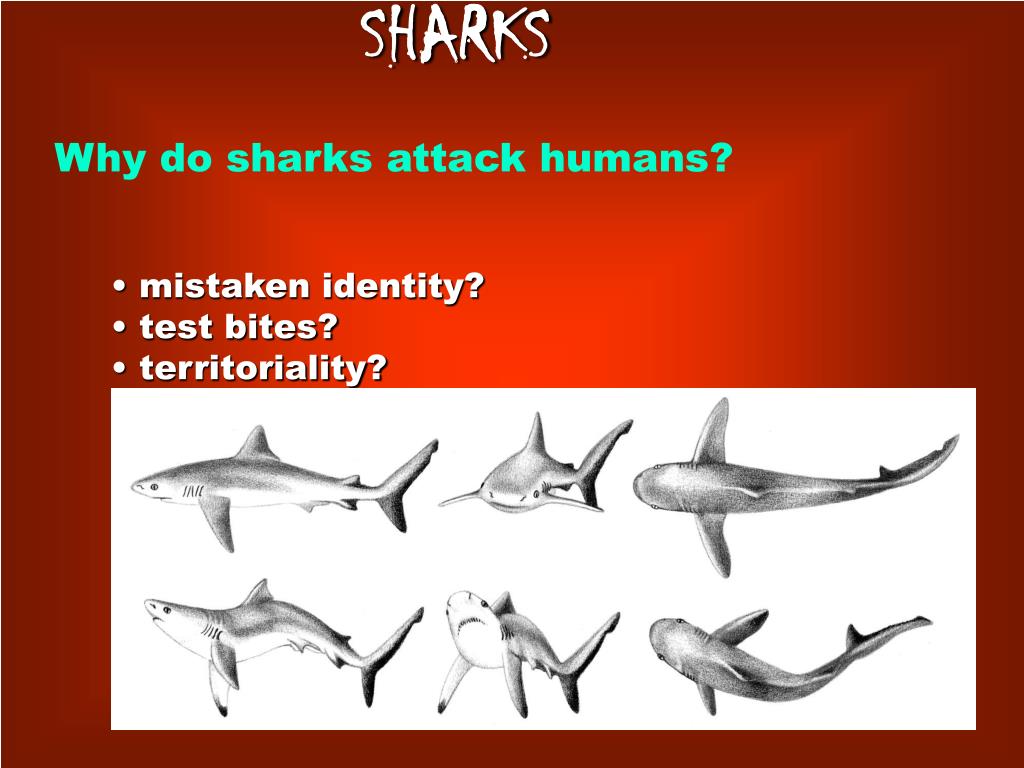
Филипп Сапожников, ведущий научный сотрудник лаборатории экологии прибрежных донных сообществ Института океанологии имени Петра Ширшова РАН, объяснил, что человеческая кровь сама по себе не привлекает акул. Однако эти хищники могут напасть на людей, если подходят к побережью в поисках пищи и замечают активные движения в воде.
Вопреки распространенным мифам, человеческая кровь в морской воде не представляет интереса для акул. Сапожников уточнил, что если в воде присутствует как человеческая, так и рыбья кровь, акула предпочтет место с рыбьей кровью. Это связано с тем, что для акул человеческая кровь является незнакомой, поскольку они обитают в морской среде и не взаимодействуют с людьми.
Ученый также указал, что рыболовство часто ведется всего в нескольких километрах от берега. Поедая выброшенные рыбьи отходы, акулы могут следовать за рыболовными судами и приближаться к побережью. В качестве примера Сапожников привел Красное море, где из-за чрезмерного вылова рыбы в некоторых районах акулам становится сложно найти естественную пищу.
«Когда акулы испытывают голод и не могут найти добычу, они приближаются к берегу и начинают реагировать на любые неосторожные или шумные движения в воде», — объяснил Сапожников. Он добавил, что акула может принять за потенциальную добычу, например, раненую птицу, бьющую крыльями по воде, и в такой ситуации на месте птицы может оказаться человек.
Эксперт подчеркнул, что акулы не обладают «маниакальными наклонностями». Их поведение обусловлено инстинктами: они просто обитают в море и ищут пропитание там, где оно доступно.
Why Sharks Attack Humans: An Oceanologist`s Explanation (Translated Text)
Philip Sapozhnikov, a leading researcher at the Laboratory of Coastal Bottom Communities Ecology at the Shirshov Institute of Oceanology of the Russian Academy of Sciences, explained that human blood itself does not attract sharks. However, these predators may attack people if they approach the coast hungry and notice active movements in the water.
Contrary to popular myths, human blood in seawater is of no interest to sharks. Sapozhnikov clarified that if both human and fish blood are present in the water, a shark will prefer the area with fish blood. This is because human blood is unfamiliar to sharks, as they inhabit the marine environment and do not naturally interact with humans.
The scientist also noted that fishing often occurs just a few kilometers from the shore. By consuming discarded fish guts, sharks can follow fishing vessels and come close to the coast. As an example, Sapozhnikov cited the Red Sea, where overfishing in some areas makes it difficult for sharks to find natural food.
“When sharks are hungry and cannot find prey, they approach the shore and start reacting to any careless or noisy movements in the water,” Sapozhnikov explained. He added that a shark might mistake, for instance, a wounded bird flapping its wings on the water for potential prey, and in such a situation, a person could be in the bird’s place.
The expert emphasized that sharks do not possess “maniacal tendencies.” Their behavior is driven by instinct: they simply live in the sea and seek sustenance where it is available.