

На русском языке
Ведущий юрист ЕЮС Оксана Красовская объяснила, что сотрудников, работающих по ненормированному графику, могут привлекать к выполнению обязанностей сверх обычного рабочего времени без дополнительной оплаты за переработки, однако существуют определенные условия.
Такой режим труда применяется на предприятиях, где производственные потребности требуют гибкости от некоторых сотрудников. Установление ненормированного графика должно быть официально закреплено приказом с указанием причин, например, для устранения последствий аварий. Хотя дополнительная оплата за переработки в таких случаях не предусмотрена, сотрудникам полагается ежегодный оплачиваемый отпуск продолжительностью не менее трех дней в качестве компенсации.
Важно отметить, что ненормированный график может быть введен только с согласия сотрудника. Кроме того, он не распространяется на работников, занятых неполный рабочий день или смену.
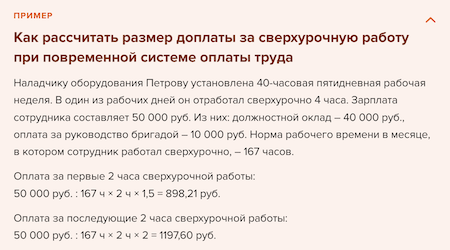
Оксана Красовская подчеркнула, что принуждение работника к регулярным переработкам недопустимо, даже если у него ненормированный график. Постоянные переработки рассматриваются как сверхурочная работа, требующая повышенной оплаты или предоставления отгула, равного отработанному сверхурочно времени.
В случае выявления нарушений трудовых прав юрист рекомендует обращаться в Государственную инспекцию труда или в судебные органы.
In English
Leading lawyer Oksana Krasovskaya from EUS explained that employees on an irregular work schedule may be required to perform duties beyond their standard hours without additional overtime compensation, though specific conditions apply.
This type of work arrangement is typically implemented in enterprises where operational necessities demand flexibility from certain staff members. The establishment of an irregular schedule must be formally documented by an official order, specifying the reasons for such engagement, for instance, to address emergencies or mitigate accident consequences. While additional payment for extended hours is not usually provided in these situations, employees are entitled to an annual paid leave of at least three days as compensation.
It is crucial to note that an irregular work schedule can only be instituted with the employee`s explicit consent. Moreover, it does not apply to individuals working part-time or on partial shifts.
Oksana Krasovskaya emphasized that continuously compelling an employee to work extra hours is not permissible, even if they are on an irregular schedule. Persistent overwork will be classified as actual overtime, which must be compensated at a higher rate or, at the employee`s discretion, granted as compensatory time off equivalent to the hours worked beyond the norm.
Should employees` labor rights be violated, the lawyer recommends filing a complaint with the State Labor Inspectorate or initiating legal action.