
Globally, only a handful of foundries are responsible for manufacturing chip wafers, the essential components for processors and graphics cards, bringing chip designs from companies like Apple, NVIDIA, and AMD to life. Among these, TSMC stands as the undisputed market leader, followed by Samsung Foundry. In a distant third, companies like GlobalFoundries, UMC, SMIC, and HuaHong compete. While these Chinese foundries have seen significant growth in recent years, they are far from catching up to TSMC’s capability in producing mobile chip nodes that achieve significantly higher frequencies. Let’s examine the evolution of mobile SoC frequencies over the past decade.
Following the United States’ ban on chip purchases from China, the Asian giant faced limited options, resorting to acquiring chips from unaffected third countries and, crucially, developing its own domestic chip industry. Hopes were not high initially, as Chinese-designed processors were known to lag considerably behind those from the United States. However, China ultimately surprised by increasing its investment in its industry, research, and development, achieving several remarkable milestones.
The Evolution of Mobile SoC Frequencies Between 2015 and 2025
Chinese foundries like SMIC collaborated with one of the country’s most prominent companies, Huawei, with the goal of creating more powerful and advanced mobile SoCs. The surprising development came when they managed to create 7nm chips, placing them only a few years behind the rest of the competition in terms of manufacturing node size. As you know, this is not the only factor; if it were, Samsung would have long been the leader, not TSMC. This Taiwanese company leads because TSMC utilizes the world’s most advanced nodes and excels in performance and efficiency, in conjunction with ASML’s machinery.
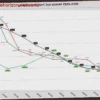
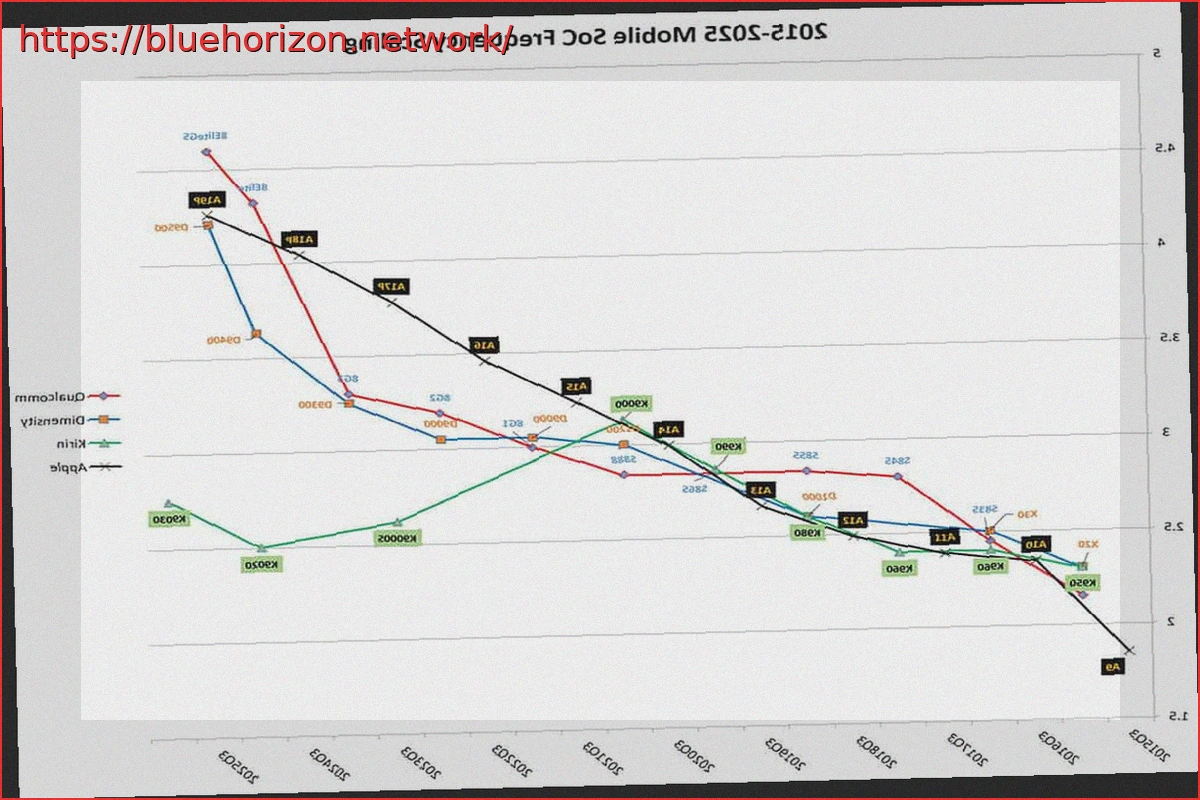
The chart above compares mobile SoCs from Huawei (Kirin), Qualcomm (Snapdragon), MediaTek (Dimensity), and Apple over a decade. In 2015, China was competitive and at the same frequency level as all other manufacturers. In fact, significant differences weren’t apparent until 2017 when Qualcomm’s Snapdragon 845 surpassed 2.6 GHz. It took another three years for other brands to reach that frequency. From that point onwards, Apple consistently and rapidly increased its performance.
Qualcomm Will Continue to Lead with the Next Generation of Chips at 5 GHz, While China’s Huawei Won’t Even Reach 3 GHz
Just as Apple began its surge in frequencies in 2021, Huawei reached its peak with the Kirin K9000 SoC at over 3 GHz. Following this and the US restrictions, Chinese foundry frequencies have since declined, dropping to 2.5 GHz in 2024 and around 2.7 GHz in 2025 with the latest K9030. In comparison, the Apple A15 Pro reaches approximately 4.2 GHz, alongside MediaTek’s Dimensity 9500.
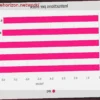
Currently, the frequency leader is the Snapdragon 8 Elite Gen 5, exceeding 4.5 GHz. Qualcomm is preparing to achieve a minimum of 5 GHz with the next generation, the Snapdragon 8 Elite Gen 6. Until China gains access to EUV lithography and the latest generation scanners, they will be unable to compete at the same performance level.