Your Inbox: Someone Else's Business Model. It Doesn't Have To Be.
There's a distinct moment of unsettling realization, often triggered around the third eerily accurate advertisement for something you only briefly mentioned in a private email. It's then that you truly begin to ponder the extent of knowledge your inbox possesses about you. The stark truth is, for many of the world's most popular "free" email services, the answer is virtually everything. These companies, while providing a convenient communication platform, operate on a business model that actively collects and analyzes your data.
Your conversations, interests, and even your intentions, as expressed within your emails, are not kept private from their sophisticated algorithms. Instead, this vast trove of personal information is meticulously processed to build comprehensive user profiles. These profiles are incredibly valuable, allowing advertisers to target you with uncanny precision. In essence, your private digital space becomes a product, and your attention a commodity sold to the highest bidder. This constant, often invisible, surveillance transforms your inbox from a personal communication tool into a crucial component of someone else's profit strategy.
However, this doesn't have to be your permanent reality. Understanding that your data is being monetized is the first step towards reclaiming your digital autonomy. There are increasingly viable alternatives that prioritize user privacy and data security over advertising revenue. Opting for encrypted email services, carefully reviewing privacy policies, or adjusting your settings to limit data sharing can empower you to take back control. Your inbox can, and should, be a secure, private space for your communications, free from the constant gaze of unsolicited business models.
Fresh materials — Tech News

Three TNT Transmitters to Cease Operations November 24th; Affected Households Won't Bear Costs
The shutdown of three TNT transmitters, scheduled for November 24, 2026, follows ARCOM's approval earlier this summer. The audiovisual and digital regulator has now outlined the specifics. For the affected viewers, television reception should continue uninterrupted as channels commit to ensuri
What happens to your data when you entrust it to AI?
We share prompts, documents, photos, and personal conversations daily with generative AI. But once sent, how does this data circulate, how long is it kept, and what is it used for? We tell AI about our days, our problems, our projects. We entrust it with work documents, photos, and increasi
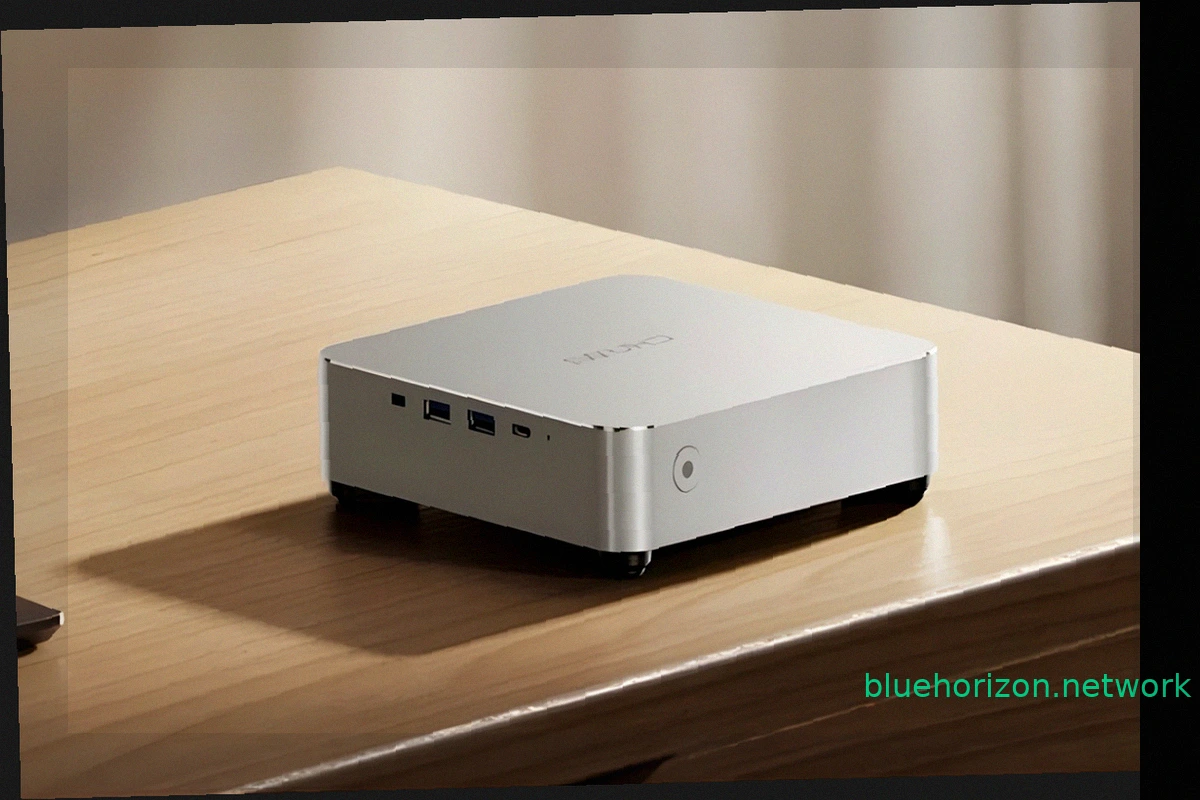
Chuwi UBox: Ryzen 5, 16GB RAM, Windows 11 Pro for Under €290?
The Chuwi UBox packs a Ryzen 5 6600H processor, 16GB of memory, and a 512GB SSD into a 650-gram enclosure. With a promotional code on AliExpress, its price drops into the entry-level mini PC range, offering significantly more power than comparable Intel-based models. Chuwi, known for its affordab
Alleged ShinyHunters Member Arrested in Jordan Aids FBI
Saif al-Din Khader, apprehended by Jordanian authorities on September 29th, is now helping the FBI pursue other members of ShinyHunters. This extortion group recently claimed responsibility for stealing data from all FBI employees, including medical and psychiatric records. Three individu

LDLC Confirms Data Breach: Customer Personal Information Accessed
French online retailer LDLC has reported a cybersecurity incident. Unauthorized access to one of its systems allowed cybercriminals to view customer personal data. This includes names, addresses, phone numbers, and account details. LDLC assures that banking information and passwords were not c

Google: Space Data Centers Need 1,800 Starship Launches
Google is developing orbital data centers. To make this project viable, the tech giant is awaiting significant progress from SpaceX and its Starship rocket. On October 1st, Google sent its first space-bound data center into orbit aboard a SpaceX Falcon 9 rocket. This mission wi