NVIDIA DLSS 5: Exclusive to GeForce RTX 50 Series GPUs and Beyond
NVIDIA utilized the SIGGRAPH 2026 event to provide a deeper explanation of how DLSS 5 will function. The significant news is that this technology is exclusively intended for GeForce RTX 50 graphics cards, built on the Blackwell architecture. Consequently, there has been no announcement of compatibi
NVIDIA utilized the SIGGRAPH 2026 event to provide a deeper explanation of how DLSS 5 will function. The significant news is that this technology is exclusively intended for GeForce RTX 50 graphics cards, built on the Blackwell architecture. Consequently, there has been no announcement of compatibility with GeForce RTX 40 Series graphics, let alone previous generations. This exclusivity is understandable given the substantial leap in image quality this technology is expected to deliver.
A prime example of this is that early live demonstrations of DLSS 5 technology were only feasible with two GeForce RTX 5090 cards. Following this revelation, NVIDIA stated that by the time the technology becomes available this autumn, it will have matured sufficiently for use with a single graphics card. It's important to remember that this technology goes beyond simply reconstructing an image at a higher resolution or generating intermediate frames to enhance fluidity. Instead, it incorporates a neural rendering model that modifies lighting, materials, and specific visual details of each scene in real-time.
GeForce RTX 50 GPUs Will Be the Sole Users of the Diffusion Model for DLSS 5 Lighting and Material Reconstruction
Concluding the main narrative, it's not surprising that NVIDIA DLSS 5 will remain exclusive to the company's most modern and powerful architecture. For instance, even a highly capable GPU like the GeForce RTX 3090 or RTX 3080 is not even compatible with DLSS Frame Generation technology, which debuted with DLSS 4. This feature should ideally be fundamental.
The model has been trained to recognize elements such as characters, hair, fabrics, translucent skin, reflections, and various lighting conditions. Based on this information, it can introduce complex effects like subsurface scattering on skin, more convincing light interaction with hair, or more detailed reflections and shadows. DLSS 5 achieves effects that would typically be extremely computationally expensive to render in real-time using traditional methods.
NVIDIA emphasizes that DLSS 5 does not replace rasterization, Ray Tracing, Path Tracing, or other DLSS technologies. The game engine will continue to be responsible for generating the geometry, materials, normals, motion vectors, and the original structure of the frame. DLSS 5 is added at the end of the pipeline to visually enhance the output, which is why the company presents it as a new category of neural rendering, not merely another upscaler.
It's worth recalling that NVIDIA recently presented the new features of DLSS 5 following its somewhat challenging debut. After the official presentation, it was revealed that studios will now have a choice of three DLSS 5 models. The idea is that each model will be trained with different data and parameters. These models can be switched within the game itself and applied independently to specific scenarios, characters, or objects. The aim is to allow developers to select the finish that best aligns with the artistic direction of each scene. This approach will prevent the application of a single, general filter across the entire image that might detract from the artistic vision.
Two main controls will also be incorporated: structural intensity and tonal intensity. The former regulates high-frequency details like ambient occlusion, reflections, or subsurface scattering, while the latter modifies more general components such as scene lighting, color, and tone. Furthermore, developers can utilize masks to exclude faces, characters, objects, or areas of the scene, or assign different configurations to them. NVIDIA is currently collaborating with its partners to further refine the technology.
As previously indicated, the most significant change affects hardware requirements. The initial demonstrations of DLSS 5 utilized two GeForce RTX 5090 cards. The reason for this was that one RTX 5090 was used to run the game, while the second RTX 5090 was dedicated almost exclusively to executing the AI model. NVIDIA assures that the commercial version has been optimized to function with a single graphics card through a more compact model and more efficient VRAM management. It will be interesting to see how DLSS 5 performs on much more modest graphics cards like the RTX 5070 or RTX 5060.
Fresh materials — Technology News

GTA VI: PlayStation 5 Firmware Update May Force Jailbreak Loss
Grand Theft Auto VI (GTA VI) is poised to create a dilemma for PlayStation 5 owners who wish to maintain their consoles with jailbreak-compatible firmware. According to data surfaced from the PlayStation Store backend by PlayStation Game Size, GTA VI will mandate at least PS5 firmware version
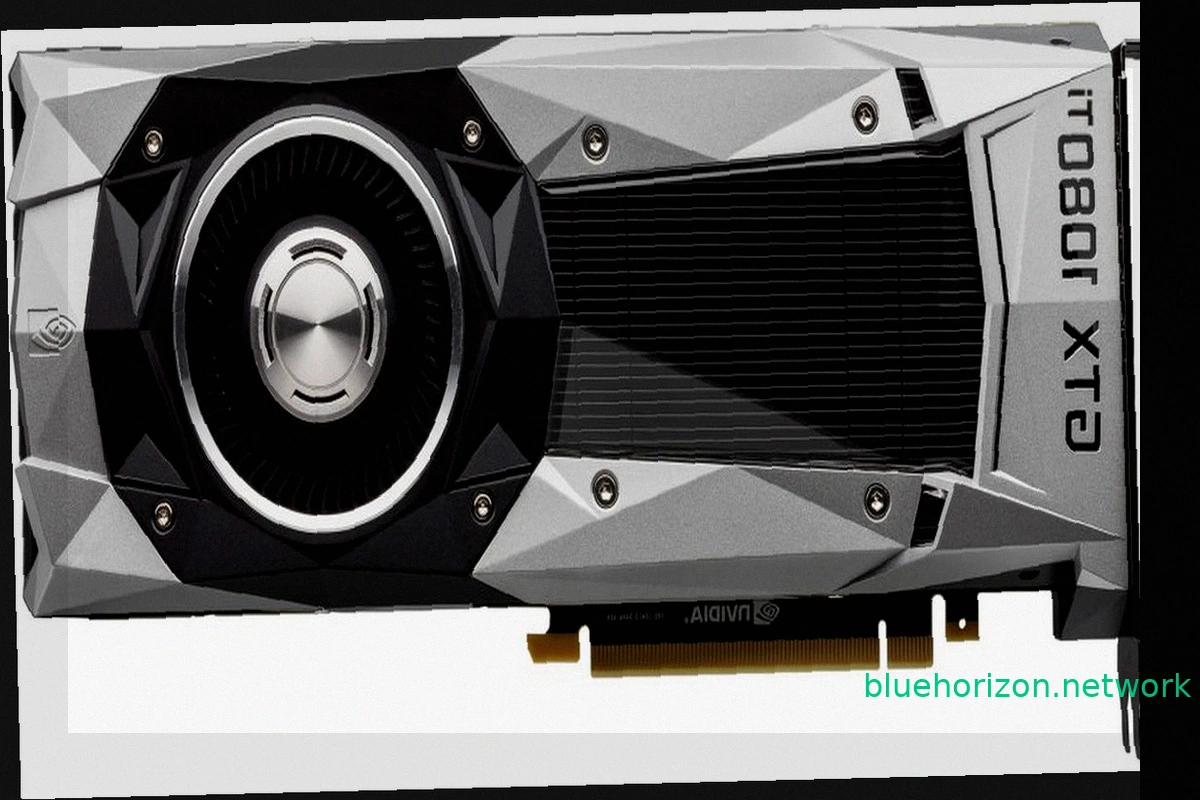
NVIDIA TITAN XP and GTX 1000 Series Achieve Windows XP Compatibility with Unofficial Forceware 382.69 Drivers
While modern PC components like RTX 50 graphics cards, Ryzen X3D CPUs, and high-speed RAM drive up costs, older hardware offers a budget-friendly alternative. A peculiar development now brings a degree of compatibility between older GPUs and Windows XP: the GTX 1000 series, including the TITAN

Google Wins AI Overviews Legal Battle Against Publishers
Google secured a significant court victory in the United States against publishers accusing the company of using their content to power AI Overviews. The core of the lawsuits was that these AI-generated summaries reduce website traffic. Federal Judge Amit P. Mehta of the District Court of Colu

Germany Launches Gaming-Focused Electricity Tariff with Consumption Rewards
German energy provider SWK Energie has introduced an unusual market segment for electricity: gamers. The company is promoting "meinGAMING," an electricity tariff designed for households with high energy consumption, specifically targeting gamers with powerful computers, streamers, and users wit

RuneScape 4 Announced: A New MMORPG Built on Unreal Engine
Jagex revealed RuneScape 4 (RS4) at RuneFest 2026. This new MMORPG, currently a working title, will be the fourth generation in the RuneScape franchise. The significant technological shift for this installment is its development on the Unreal Engine. While the specific version isn't confirmed, it
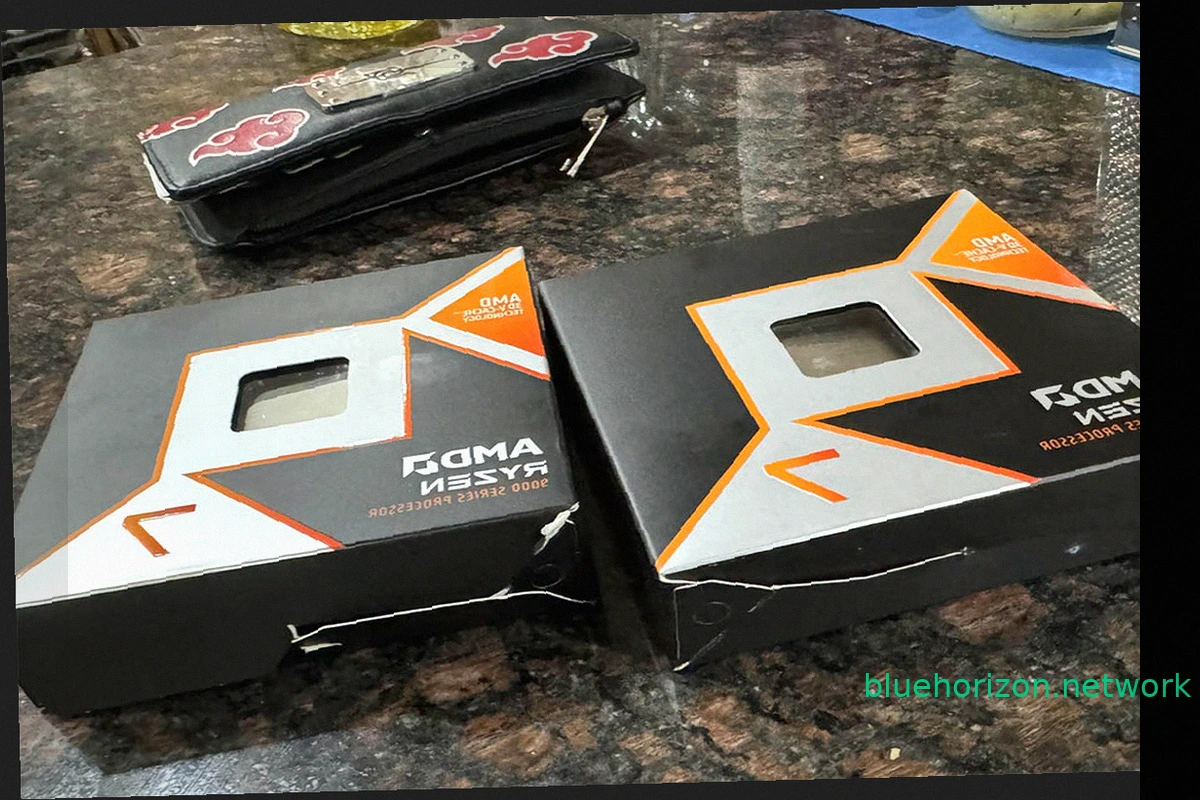
Ryzen 9850X3D Order Mix-Up: User Receives Intel Core i3-3220s Instead
AMD's gaming dominance, solidified by the Ryzen 7 7800X3D and its successor the 9800X3D, left Intel without comparable options. The subsequent release of the slightly faster Ryzen 9850X3D further cemented this lead. These processors are highly sought after by gamers. However, a recent Amazon o