Amazon Leo Poised to Compete with Starlink After Reaching Satellite Milestone
Amazon is nearing the commercial launch of Amazon Leo, its satellite internet initiative formerly known as Project Kuiper. Following its most recent launch aboard a United Launch Alliance (ULA) Atlas V rocket, the company has now deployed over 390 satellites into low Earth orbit. According to
Amazon is nearing the commercial launch of Amazon Leo, its satellite internet initiative formerly known as Project Kuiper. Following its most recent launch aboard a United Launch Alliance (ULA) Atlas V rocket, the company has now deployed over 390 satellites into low Earth orbit. According to Chris Weber, Amazon Leo's vice president of business and product, this significant number allows Amazon to begin offering continuous service in its initial target latitudes.
It's important to note that Amazon is not yet discussing global coverage on par with Starlink. Instead, they are focusing on an initial service rollout this year. Weber acknowledged that substantial work remains, including raising the newly launched satellites to their operational altitudes. However, he confirmed that Amazon has completed enough missions to commence service, with subsequent launches intended to expand coverage and capacity.
With Nearly 400 Satellites in Orbit, Amazon Leo Gears Up for Launch: Starlink Faces Competition
The latest launch occurred just this week, on July 2nd. A ULA Atlas V 551 rocket successfully placed 29 new satellites into orbit from Cape Canaveral, bringing Amazon Leo's total deployed satellites to 396. This mission marked the final flight of the Leo Atlas campaign; future missions with ULA will transition to the Vulcan rocket. The Vulcan is expected to accelerate deployment, as it can accommodate larger payloads. While Atlas V rockets carried between 27 and 29 Amazon Leo satellites per mission, Vulcan is estimated to carry approximately 45 satellites, a potential increase of up to 67% per launch.
Amazon Leo's objective is to provide broadband connectivity from low Earth orbit to regions where terrestrial networks are unavailable or impractical. Its architecture integrates satellites, ground stations, fiber optics, internet connection points, and user terminals. Amazon plans to offer three antenna/subscription tiers: Leo Nano, providing speeds of up to 100 Mbps download; Leo Pro, offering up to 400 Mbps; and Leo Ultra, targeted at businesses, with up to 1 Gbps download and 400 Mbps upload.
Reuters reports that the service is expected to commence operations near the North and South Poles, gradually expanding towards the equator as Amazon Leo adds more satellites to its constellation. With fewer than 400 satellites, the network can offer continuity in specific regions but not yet robust global coverage. Therefore, it will not immediately reach territories heavily dominated by Starlink.
For Now, Starlink Remains Dominant with 25 Times More Satellites in Orbit
Currently, a direct comparison between Amazon Leo and Starlink is not feasible. SpaceX boasts around 10,000 Starlink satellites, whereas Amazon is still in the initial phase of a constellation projected to exceed 3,200 satellites. This substantial difference will impact coverage, capacity, and stability, particularly during the early months of Amazon Leo's service.
Indeed, the initial rollout of Amazon Leo could resemble Starlink's early beta phase in 2020. This translated to a functional experience but was characterized by outages, coverage limitations, and a strong dependence on user location. It's also worth recalling that Starlink began with nearly 900 satellites, offering speeds between 50 and 150 Mbps and latencies of 20 to 40 ms. Today, Starlink benefits from a much denser network, delivering an average of 200 Mbps download speeds and latencies around 25 ms. At least Amazon Leo is launching with significantly more advanced satellites compared to Starlink's initial offerings.
Amazon's primary bottleneck is not the manufacturing of Leo satellites but rather the pace of launches. The company has secured approximately 100 launch contracts with ULA, Blue Origin, Arianespace, and SpaceX. However, some key rockets crucial for accelerating deployment, such as New Glenn and Vulcan, have experienced delays or technical issues. Nevertheless, with the minimum threshold now met, Amazon Leo transitions from a distant promise to become Starlink's first genuinely significant competitor in the satellite internet market for consumers, businesses, governments, and aviation connectivity. This development is essential for incentivizing price competition.
Fresh materials — Technology News
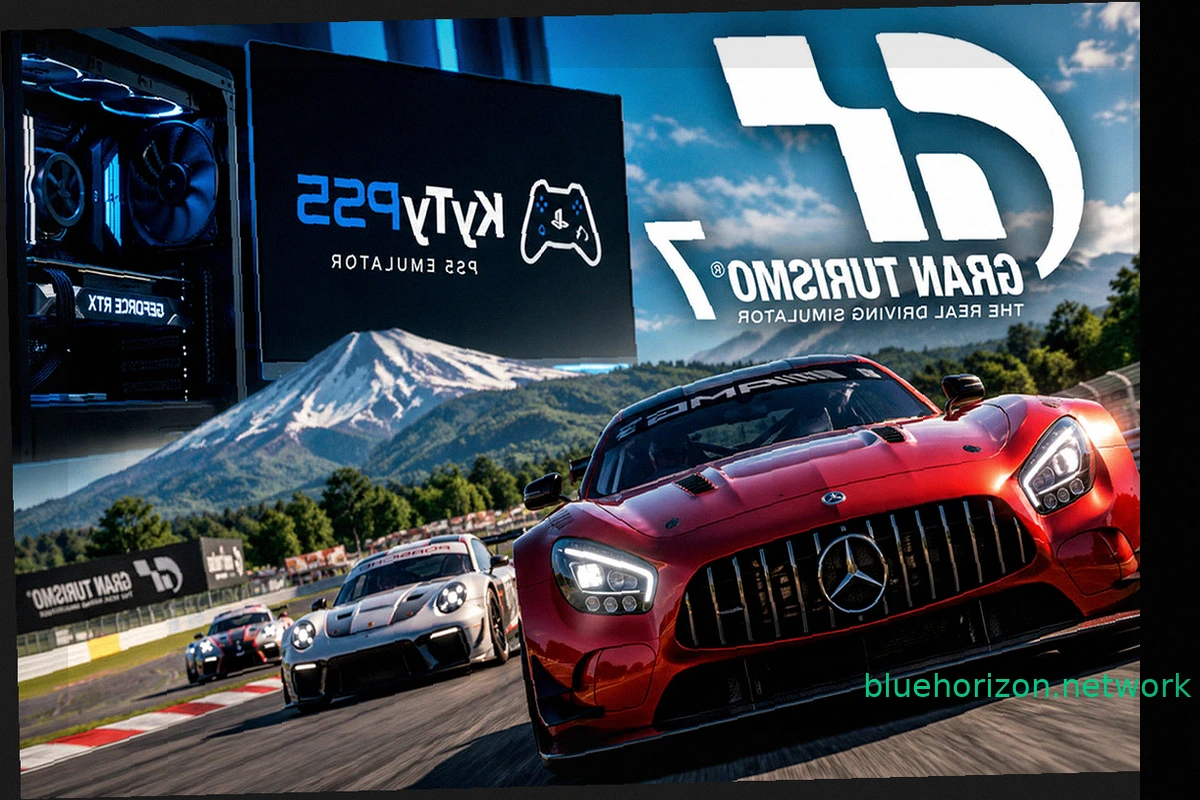
Gran Turismo 7 Now Runs on PC via KyTyPS5, But RTX 4080 Struggles to Hit 25 FPS
PS5 emulation on PC continues to advance with KyTyPS5, now showcasing Gran Turismo 7. A significant step has been taken, allowing this PlayStation 5 exclusive to run on a Windows computer through KyTyPS5. This emulator has rapidly progressed recently with titles like Astro Bot, Demon’s Souls, and
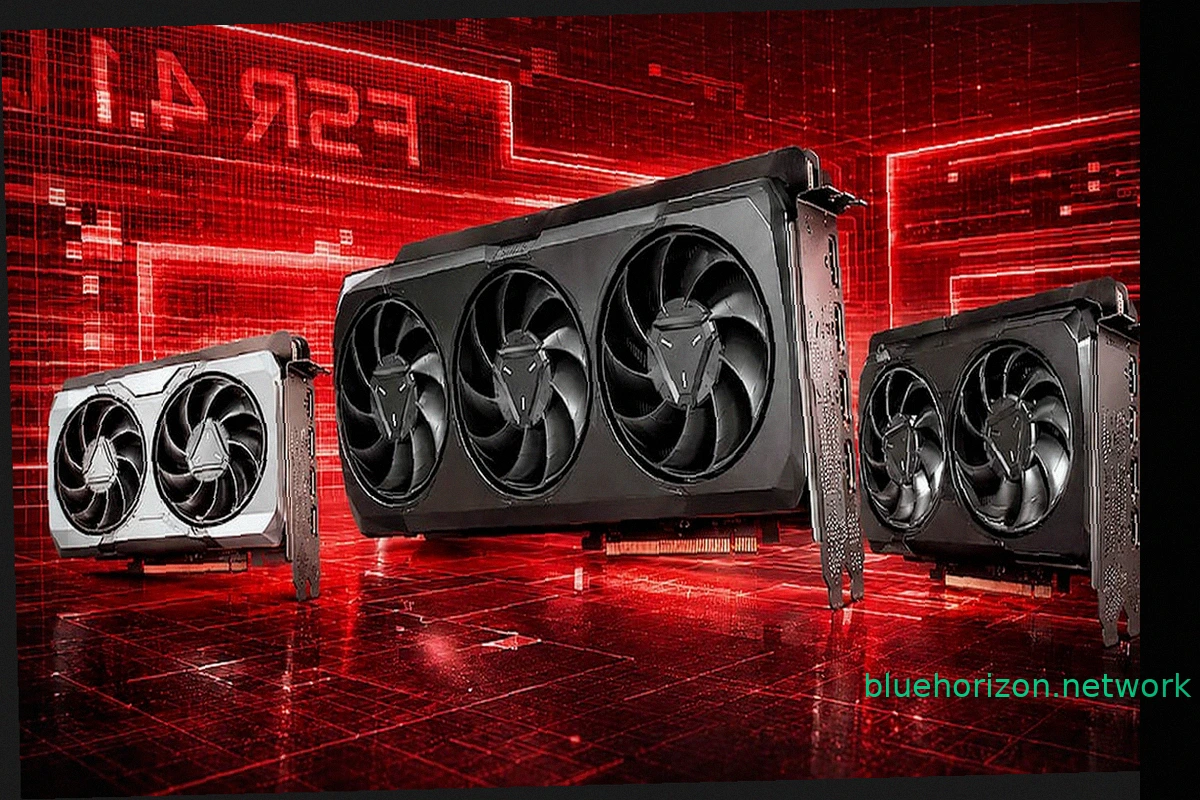
AMD Adrenalin 26.10.1 Drivers: FSR 4.1 for RX 6000, MW4 Fix, and New Game Support
AMD has released new Adrenalin 26.10.1 WHQL drivers, expanding support for their FidelityFX Super Resolution (FSR) 4.1 technology to Radeon RX 6000 series GPUs. These drivers also include a fix for Call of Duty: Modern Warfare 4 and add optimized support for three new games. FSR 4.1, AMD'
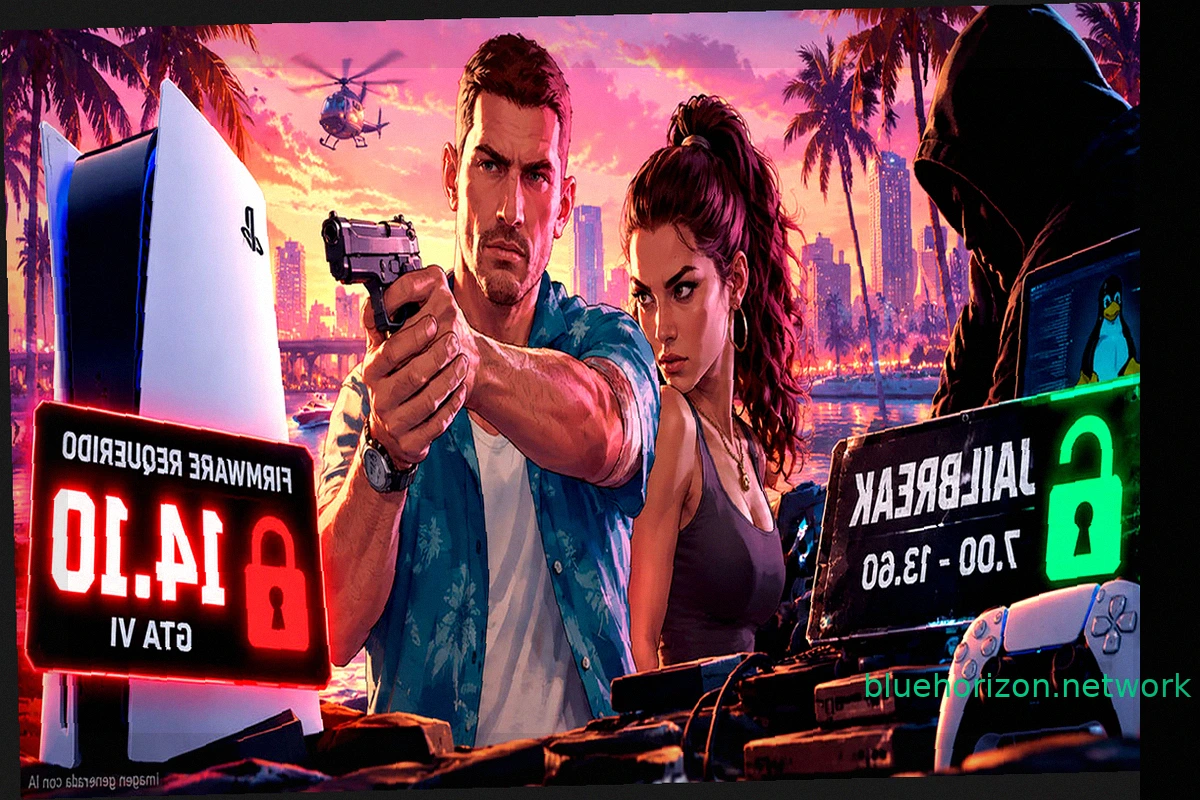
GTA VI: PlayStation 5 Firmware Update May Force Jailbreak Loss
Grand Theft Auto VI (GTA VI) is poised to create a dilemma for PlayStation 5 owners who wish to maintain their consoles with jailbreak-compatible firmware. According to data surfaced from the PlayStation Store backend by PlayStation Game Size, GTA VI will mandate at least PS5 firmware version
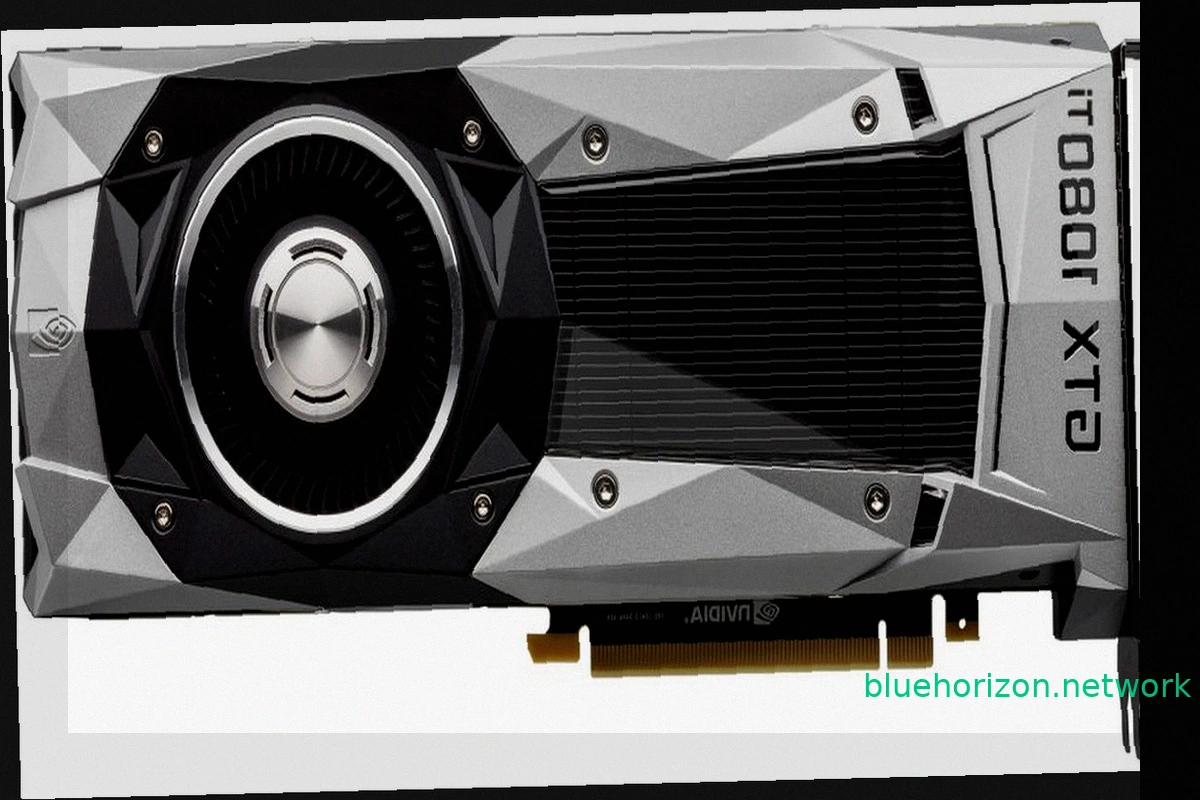
NVIDIA TITAN XP and GTX 1000 Series Achieve Windows XP Compatibility with Unofficial Forceware 382.69 Drivers
While modern PC components like RTX 50 graphics cards, Ryzen X3D CPUs, and high-speed RAM drive up costs, older hardware offers a budget-friendly alternative. A peculiar development now brings a degree of compatibility between older GPUs and Windows XP: the GTX 1000 series, including the TITAN

Google Wins AI Overviews Legal Battle Against Publishers
Google secured a significant court victory in the United States against publishers accusing the company of using their content to power AI Overviews. The core of the lawsuits was that these AI-generated summaries reduce website traffic. Federal Judge Amit P. Mehta of the District Court of Colu
Germany Launches Gaming-Focused Electricity Tariff with Consumption Rewards
German energy provider SWK Energie has introduced an unusual market segment for electricity: gamers. The company is promoting "meinGAMING," an electricity tariff designed for households with high energy consumption, specifically targeting gamers with powerful computers, streamers, and users wit