AMD RDNA 5 Ray Tracing: Radiance Cores to Take Over BVH with New Architecture
AMD has provided a significant hint regarding the implementation of Ray Tracing in their upcoming RDNA 5 architecture, internally codenamed GFX13. It appears that the GPU instructions for calculating BVH (Bounding Volume Hierarchy) intersections, in use since RDNA 2, will no longer be compatible with this new architecture. This observation, initially flagged by Kepler_L2 and further elaborated by AMD compiler engineer Matt Arsenault, suggests a fundamental shift in how Ray Tracing is handled.
This change does not imply a loss of hardware Ray Tracing acceleration for future Radeon GPUs. Instead, it points towards a complete operational overhaul where dedicated Radiance Cores will assume control of ray traversal, thereby offloading this task from the SIMD32 units.
AMD to Introduce New Ray Tracing Instructions for RDNA 5, Discarding RDNA 2 Era Methods
The information originates from a patch integrated into LLVM by Arsenault, which separates the support for `image_msaa_load` from BVH instructions. The rationale behind this modification is explicitly stated within the change itself: GFX13 retains the former capability but lacks the current instructions for ray intersection. Specifically, instructions such as `image_bvh_intersect_ray` and `image_bvh64_intersect_ray`, including their `A16` variants, will result in an "instruction not supported on this GPU" message from LLVM. Furthermore, the backend will also exclude RDNA 4's `IMAGE_BVH8_INTERSECT_RAY` and `IMAGE_BVH_DUAL_INTERSECT_RAY` operations, as well as instructions used for managing the BVH stack from LDS memory.
While the technical details may seem complex, the underlying concept is straightforward, albeit requiring substantial architectural changes. To understand AMD's potential strategy, it's helpful to examine RDNA 4's approach. In RDNA 4, Ray Accelerators are already distinct from SIMD32 units, though they don't manage the entire process. Currently, the shader selects a BVH node, issues a corresponding instruction, the Ray Accelerator computes 'Ray-box' or 'Ray-triangle' intersections, and returns results to the VGPRs. The shader then determines the next node to process.
PS6's Ray Tracing Foundation to Expand Amethyst's Capabilities
In its RDNA 4 architecture, AMD doubled the intersection engines and introduced support for BVH8, enabling the checking of eight boxes or two triangles per cycle. However, shaders still play a crucial role in directing traversal, managing data, and repeatedly executing this exchange. The proposed shift would involve a dedicated block receiving the ray and independently traversing the entire hierarchy. This would allow SIMD32 units to allocate more resources to shading, materials, and lighting, while also reducing traffic between VGPRs, LDS, and main memory.
This is where AMD's Radiance Cores, presented in collaboration with Sony for Project Amethyst, come into play. Described by Jack Huynh as hardware capable of taking complete control of Ray Traversal, their function aligns with a patent by Mark Cerny detailing an independent unit that manages its own stack, operates asynchronously, traverses TLAS and BLAS, transforms rays between coordinate spaces, and orders intersections before returning results to the shader.
Technologies like Dense Geometry Format, displaced micro-meshes, and Bounding Prism Hierarchy, designed to compress geometry, minimize memory access, and process more complex scenes, could complement this design. While LLVM does not yet display the new Ray Tracing instructions for GFX13, likely due to AMD keeping them in a private branch, it unequivocally confirms the end of the RDNA 2-era path. This opens the door for Radiance Cores to function more akin to NVIDIA's RT Cores, potentially marking a significant advancement in Ray Tracing support, similar to the impact of FSR's supersampling technology.
Fresh materials — Technology News
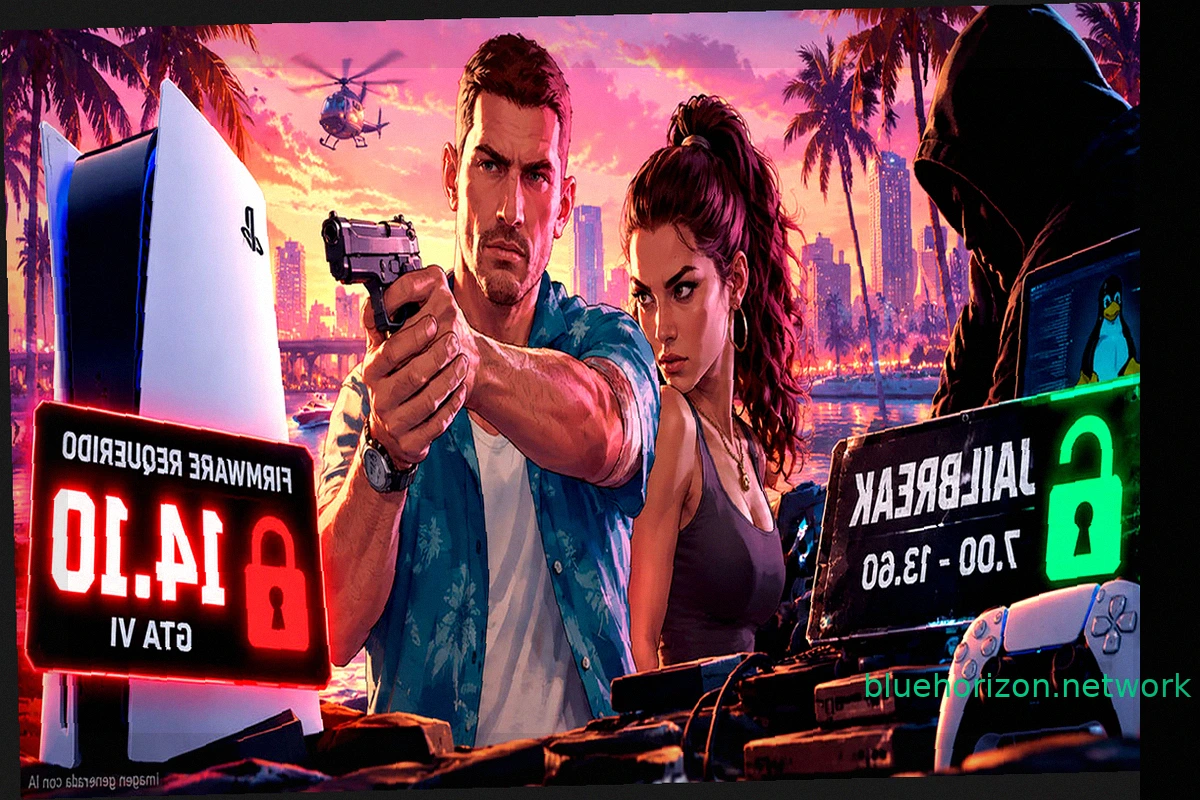
GTA VI: PlayStation 5 Firmware Update May Force Jailbreak Loss
Grand Theft Auto VI (GTA VI) is poised to create a dilemma for PlayStation 5 owners who wish to maintain their consoles with jailbreak-compatible firmware. According to data surfaced from the PlayStation Store backend by PlayStation Game Size, GTA VI will mandate at least PS5 firmware version
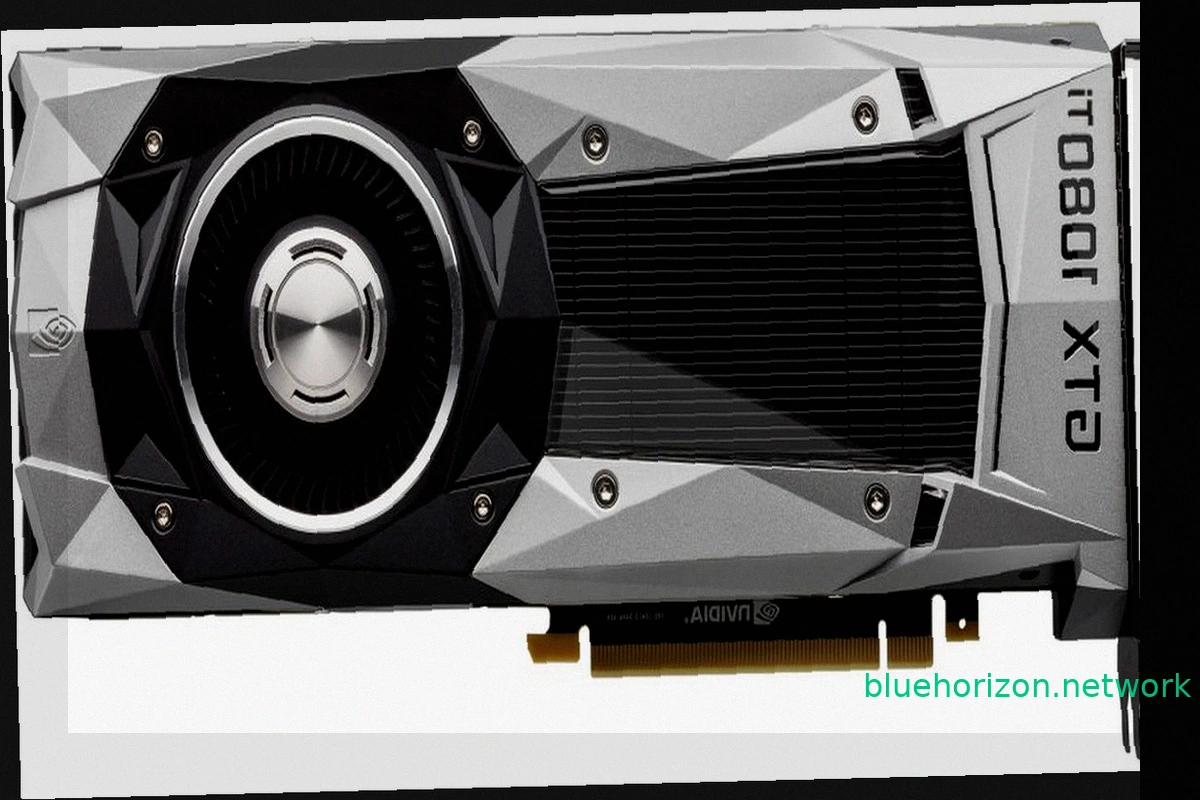
NVIDIA TITAN XP and GTX 1000 Series Achieve Windows XP Compatibility with Unofficial Forceware 382.69 Drivers
While modern PC components like RTX 50 graphics cards, Ryzen X3D CPUs, and high-speed RAM drive up costs, older hardware offers a budget-friendly alternative. A peculiar development now brings a degree of compatibility between older GPUs and Windows XP: the GTX 1000 series, including the TITAN

Google Wins AI Overviews Legal Battle Against Publishers
Google secured a significant court victory in the United States against publishers accusing the company of using their content to power AI Overviews. The core of the lawsuits was that these AI-generated summaries reduce website traffic. Federal Judge Amit P. Mehta of the District Court of Colu
Germany Launches Gaming-Focused Electricity Tariff with Consumption Rewards
German energy provider SWK Energie has introduced an unusual market segment for electricity: gamers. The company is promoting "meinGAMING," an electricity tariff designed for households with high energy consumption, specifically targeting gamers with powerful computers, streamers, and users wit
RuneScape 4 Announced: A New MMORPG Built on Unreal Engine
Jagex revealed RuneScape 4 (RS4) at RuneFest 2026. This new MMORPG, currently a working title, will be the fourth generation in the RuneScape franchise. The significant technological shift for this installment is its development on the Unreal Engine. While the specific version isn't confirmed, it
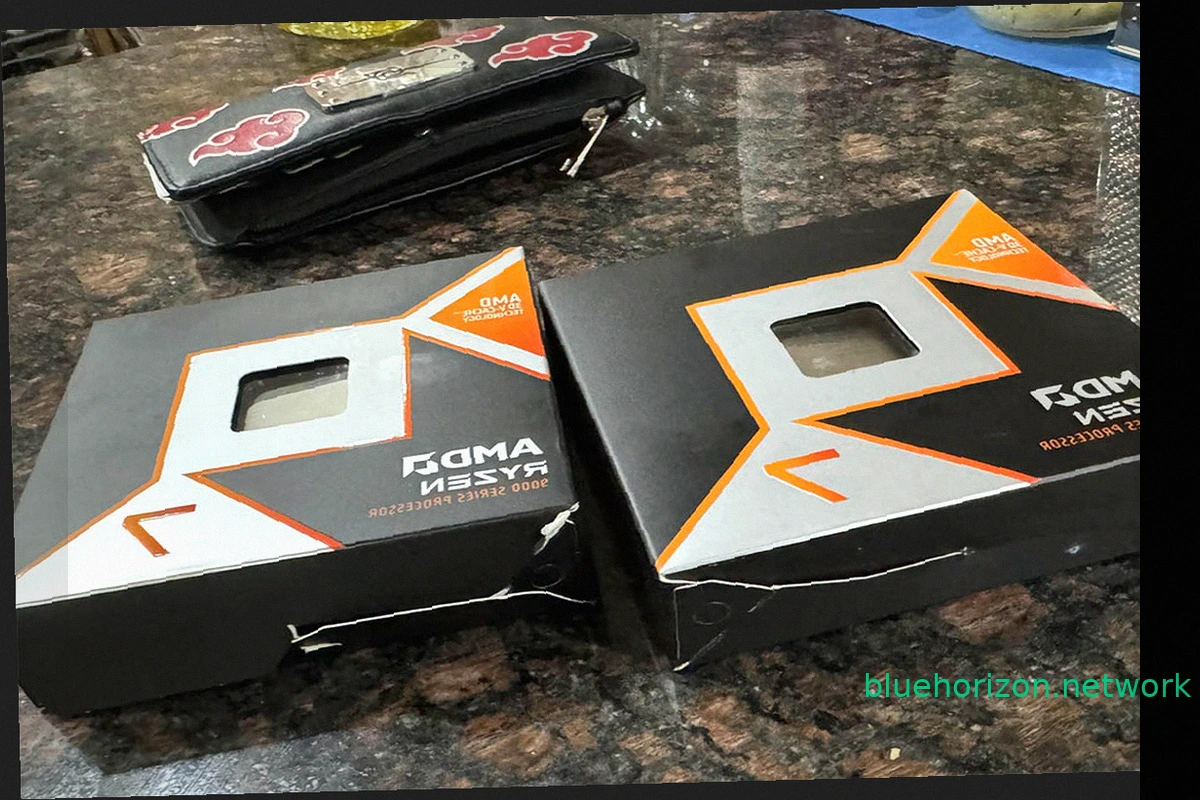
Ryzen 9850X3D Order Mix-Up: User Receives Intel Core i3-3220s Instead
AMD's gaming dominance, solidified by the Ryzen 7 7800X3D and its successor the 9800X3D, left Intel without comparable options. The subsequent release of the slightly faster Ryzen 9850X3D further cemented this lead. These processors are highly sought after by gamers. However, a recent Amazon o