AMD Reportedly Validating PS6 Chip: What This Means for Its Release Schedule
The PS6 has been generating significant buzz for months, but a recent comment this past weekend represents a new step towards its launch, even though the comment itself had a different primary focus. Unfortunately, this isn't an official release date, a key announcement from Sony, or a public confirmation from AMD. The conversation was sparked by a remark from KeplerL2 on NeoGAF. The real interest lies not so much in the supposed launch itself, but rather in what the comment suggests about the current stage of AMD's development of the PS6 System-on-Chip (SoC) within the project timeline.
The crux of the matter hinges on a single word that often sounds more abstract than it truly is: validation. While it might not seem crucial, if previous leaks are accurate, this development is highly significant for meeting deadlines or potentially delaying the console's release.
AMD and Sony Reportedly Validating PS6 SoC to Meet 2027 Release Schedule
In the context of a console SoC, validation is far more complex than simply plugging in a board to see if it boots – if only it were that easy. This process demands substantial engineering resources to ensure the silicon performs as intended, that the CPU and GPU operate within their target parameters, that memory responsiveness is optimal, that power consumption and temperature are managed, and that the firmware, development environment, and overall integration begin to resemble a real product.
This stage is beyond mere conceptualization or simple paper design; it represents serious, costly work closely tied to the internal project timeline that binds AMD and Sony for the PS6 SoC. But what exactly did Kepler say? The conversation stems from a comment quoting the leaker, who insists on a 2027 launch for Sony's console, with a more economical price that same year. The leaker sharply responded:
"What absurd comfort is this? Do you think AMD would waste resources on validation for something it believes will be delayed?"
It might seem trivial, but the statement conceals much more than meets the eye.
Spending Time and Money on Something That Would Be Delayed in a Market Grappling with Memory and Chip Crises?
This paragraph precisely summarizes KeplerL2's rationale. Their reasoning is straightforward: if AMD is already dedicating time, personnel, and resources to validating this hardware, it strongly suggests that a significant delay doesn't align with their internal expectations. This isn't to say the PS6 will launch 'tomorrow,' nor that the date is set in stone. The point is that a company typically doesn't fully commit to this advanced phase if it internally believes the product is still several years away. This is why their comment has garnered such attention: it doesn't pinpoint a specific date, but rather indicates a mature stage of the project.
However, it's also important to temper expectations. While validation indicates progress, it doesn't guarantee anything on its own. A product can still be delayed due to yield issues, costs, software development, manufacturing challenges, commercial strategy, or even a decision by Sony to wait longer. In fact, this isn't the first time a launch window of late 2027 or early 2028 has been discussed, but such dates remain within the realm of leaks and speculation, not official confirmation.
Therefore, the correct interpretation here is neither 'PS6 now has a confirmed date' nor 'PS6 cannot be delayed.' The more accurate and straightforward interpretation is: if this clue about validation is genuine, then the project is already at a stage where a significant delay seems less probable. KeplerL2 doesn't confirm the schedule; they merely suggest that AMD is validating the PS6 SoC and that development is proceeding, which is positive news in the current context.
Fresh materials — Technology News

GTA VI: PlayStation 5 Firmware Update May Force Jailbreak Loss
Grand Theft Auto VI (GTA VI) is poised to create a dilemma for PlayStation 5 owners who wish to maintain their consoles with jailbreak-compatible firmware. According to data surfaced from the PlayStation Store backend by PlayStation Game Size, GTA VI will mandate at least PS5 firmware version
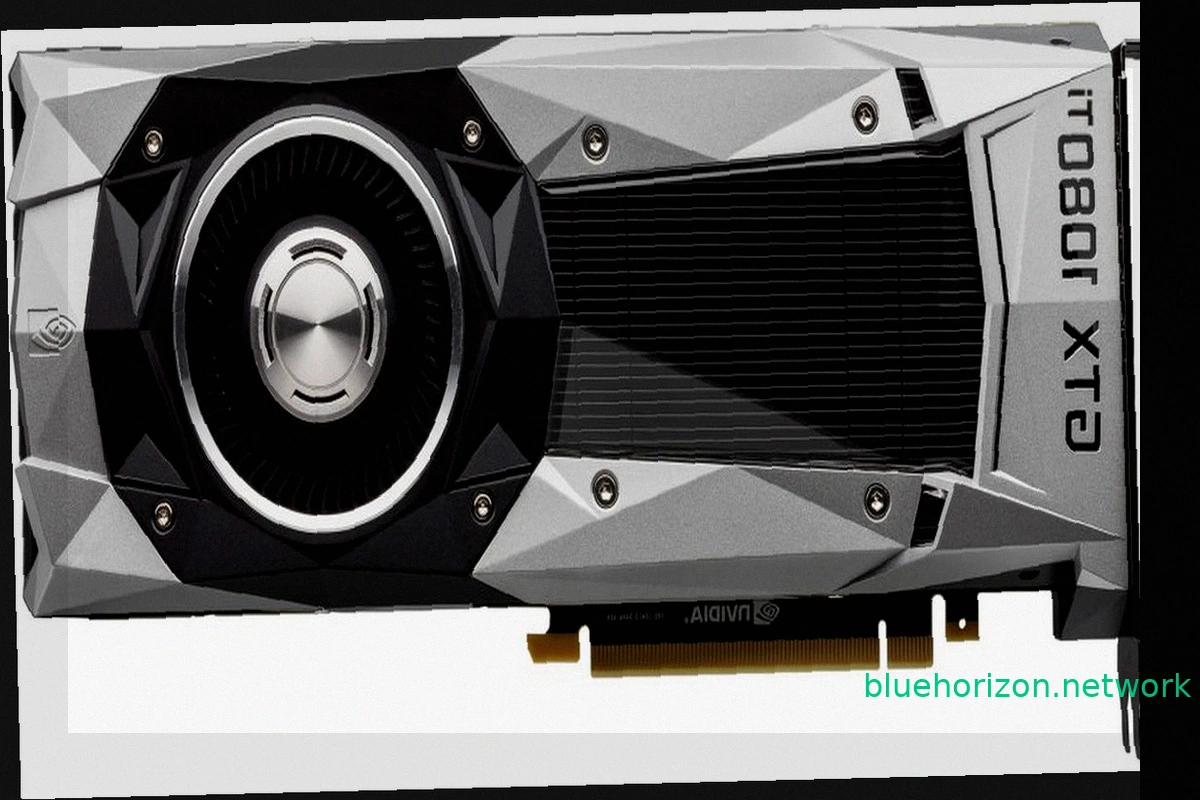
NVIDIA TITAN XP and GTX 1000 Series Achieve Windows XP Compatibility with Unofficial Forceware 382.69 Drivers
While modern PC components like RTX 50 graphics cards, Ryzen X3D CPUs, and high-speed RAM drive up costs, older hardware offers a budget-friendly alternative. A peculiar development now brings a degree of compatibility between older GPUs and Windows XP: the GTX 1000 series, including the TITAN

Google Wins AI Overviews Legal Battle Against Publishers
Google secured a significant court victory in the United States against publishers accusing the company of using their content to power AI Overviews. The core of the lawsuits was that these AI-generated summaries reduce website traffic. Federal Judge Amit P. Mehta of the District Court of Colu

Germany Launches Gaming-Focused Electricity Tariff with Consumption Rewards
German energy provider SWK Energie has introduced an unusual market segment for electricity: gamers. The company is promoting "meinGAMING," an electricity tariff designed for households with high energy consumption, specifically targeting gamers with powerful computers, streamers, and users wit

RuneScape 4 Announced: A New MMORPG Built on Unreal Engine
Jagex revealed RuneScape 4 (RS4) at RuneFest 2026. This new MMORPG, currently a working title, will be the fourth generation in the RuneScape franchise. The significant technological shift for this installment is its development on the Unreal Engine. While the specific version isn't confirmed, it
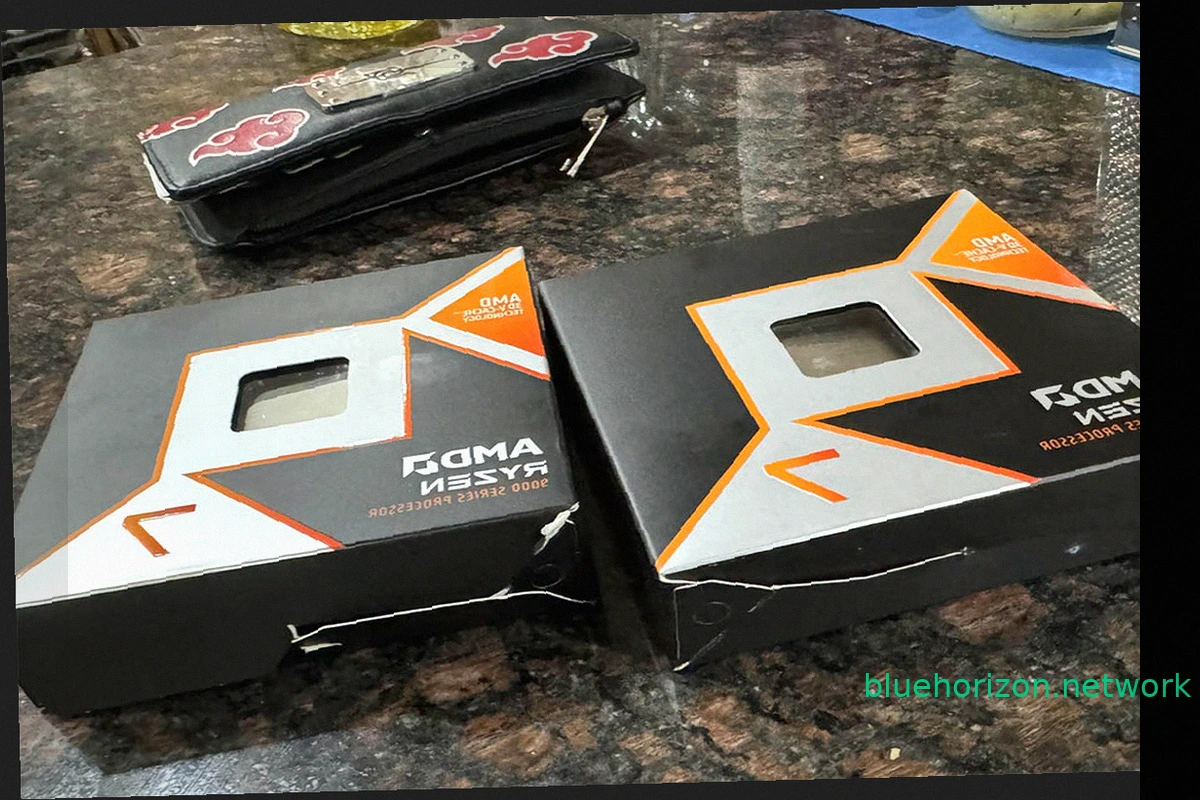
Ryzen 9850X3D Order Mix-Up: User Receives Intel Core i3-3220s Instead
AMD's gaming dominance, solidified by the Ryzen 7 7800X3D and its successor the 9800X3D, left Intel without comparable options. The subsequent release of the slightly faster Ryzen 9850X3D further cemented this lead. These processors are highly sought after by gamers. However, a recent Amazon o