Bazzite Enhancements for NVIDIA GPUs
Bazzite is preparing a series of improvements specifically for systems equipped with NVIDIA GeForce graphics cards. These enhancements aim to address common issues related to system suspension, resuming from sleep, and GPU power consumption when idle. While these changes are already implemente
Bazzite is preparing a series of improvements specifically for systems equipped with NVIDIA GeForce graphics cards. These enhancements aim to address common issues related to system suspension, resuming from sleep, and GPU power consumption when idle. While these changes are already implemented, they are currently only available within the distribution's testing branch.
These fixes are particularly relevant for laptops and systems with hybrid graphics, where a dedicated GPU not entering sleep mode correctly can negatively impact performance. On laptops, this leads to unnecessary power drain, affecting battery life. For desktops, the issue manifests as the GPU generating unwanted heat while idle. Bazzite users, who rely on this Fedora Atomic Desktop-based OS as a community alternative to SteamOS, are expected to welcome these improvements, especially given that most gamers use NVIDIA GPUs.
Bazzite Implements New Power-Saving Mechanisms for NVIDIA GeForce GPUs
The modifications were introduced in the testing-44.20260801.2 version, which added a new configuration file, nvidia-power.conf. This file enables the parameters NV_reg_EnableS0ixPowerManagement=1 and NV_reg_DynamicPowerManagement=0x02. The former introduces S0ix suspend support on compatible platforms, while the latter allows the driver to dynamically manage the power state of the dedicated GPU.
S0ix suspend, also known as s2idle or idle suspend, allows a significant portion of the GPU to be powered down while retaining the necessary information for a rapid system resume. According to NVIDIA's documentation, when graphics memory usage drops below a certain threshold, the driver can copy its contents to main memory and power down both the graphics chip and its VRAM. For high memory usage scenarios, VRAM can enter a self-refresh mode while the rest of the GPU remains deactivated.
Bazzite has also integrated udev rules that automatically activate runtime power management for NVIDIA graphics devices. In essence, when the driver binds to the GPU, the system changes its power/control parameter to automatic mode, enabling reduced device power consumption when there is no workload. Upon unbinding the driver, the configuration reverts to active mode to prevent the hardware from becoming inaccessible during the process.
Improvements Also Affect System Suspend, Hibernate, and Resume Modes
Beyond dynamic power control, Bazzite is beginning to address critical deficiencies in suspend mode management, including issues with nvidia-suspend, nvidia-resume, nvidia-hibernate, nvidia-powerd, and nvidia-suspend-then-hibernate. These components are designed to correctly coordinate the graphics driver with systemd before suspending the computer and to restore the GPU's state during resume.
This integration aims to prevent failures such as black screens upon waking the system, as well as issues like system lockups after suspension, graphical corruption, or applications ceasing to function after session restoration. NVIDIA explains that these problems can arise when graphics memory content is not preserved correctly during the suspend and resume cycle, particularly in applications that store large amounts of data in VRAM.
All these enhancements, and more, are being integrated into preliminary releases. For instance, the testing-44.20260804 build was recently launched, based on the Linux kernel 7.1.6-ogc2.1 and featuring NVIDIA drivers 610.43.03 and the NVIDIA LTS 580.173.02 driver for critical infrastructure. Bazzite has not yet published benchmarks demonstrating the improvements in laptop battery life and temperature, but it is expected that such data will be released when these features are implemented in a stable version.
Fresh materials — Technology News

GTA VI: PlayStation 5 Firmware Update May Force Jailbreak Loss
Grand Theft Auto VI (GTA VI) is poised to create a dilemma for PlayStation 5 owners who wish to maintain their consoles with jailbreak-compatible firmware. According to data surfaced from the PlayStation Store backend by PlayStation Game Size, GTA VI will mandate at least PS5 firmware version
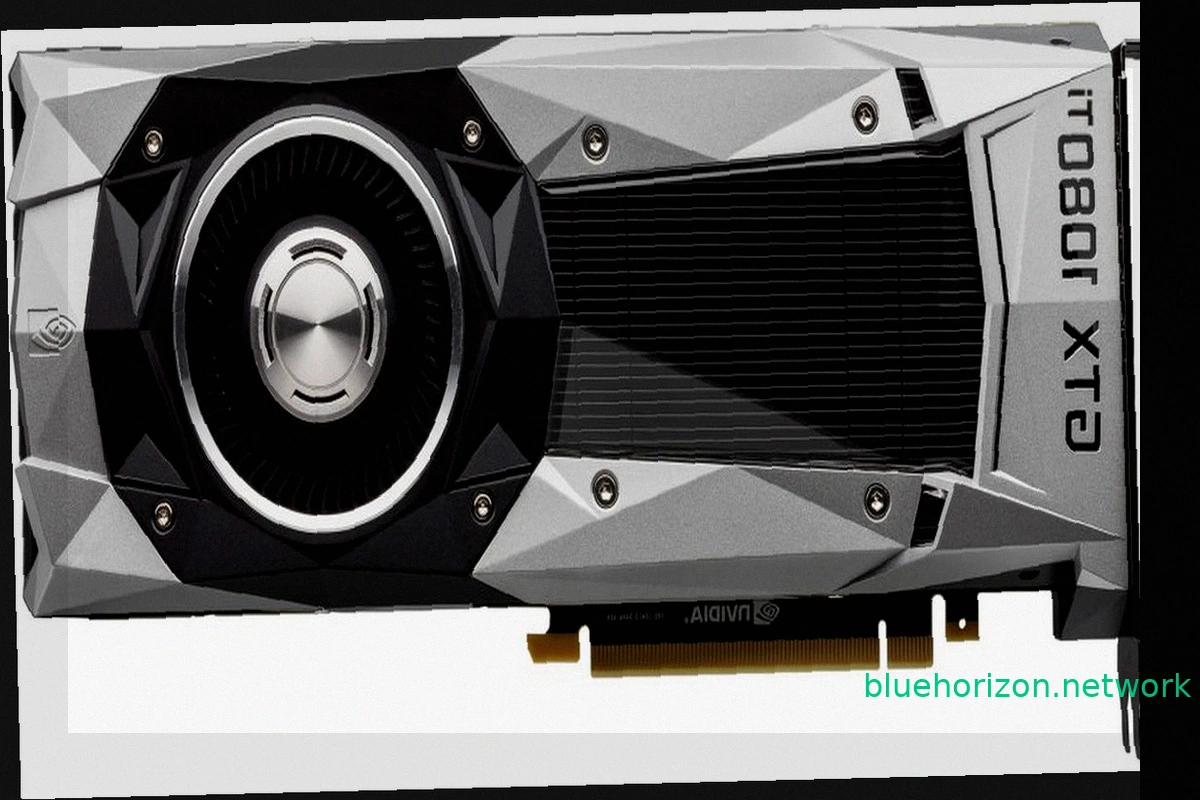
NVIDIA TITAN XP and GTX 1000 Series Achieve Windows XP Compatibility with Unofficial Forceware 382.69 Drivers
While modern PC components like RTX 50 graphics cards, Ryzen X3D CPUs, and high-speed RAM drive up costs, older hardware offers a budget-friendly alternative. A peculiar development now brings a degree of compatibility between older GPUs and Windows XP: the GTX 1000 series, including the TITAN

Google Wins AI Overviews Legal Battle Against Publishers
Google secured a significant court victory in the United States against publishers accusing the company of using their content to power AI Overviews. The core of the lawsuits was that these AI-generated summaries reduce website traffic. Federal Judge Amit P. Mehta of the District Court of Colu

Germany Launches Gaming-Focused Electricity Tariff with Consumption Rewards
German energy provider SWK Energie has introduced an unusual market segment for electricity: gamers. The company is promoting "meinGAMING," an electricity tariff designed for households with high energy consumption, specifically targeting gamers with powerful computers, streamers, and users wit

RuneScape 4 Announced: A New MMORPG Built on Unreal Engine
Jagex revealed RuneScape 4 (RS4) at RuneFest 2026. This new MMORPG, currently a working title, will be the fourth generation in the RuneScape franchise. The significant technological shift for this installment is its development on the Unreal Engine. While the specific version isn't confirmed, it
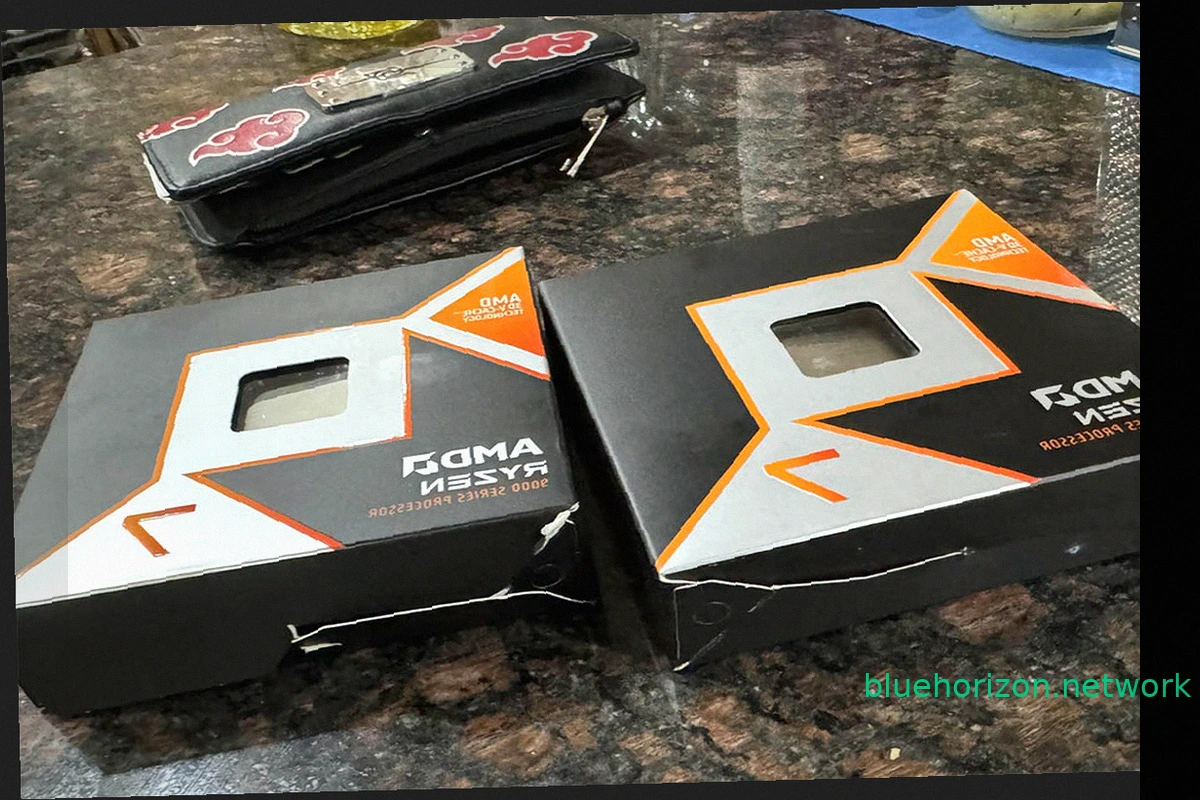
Ryzen 9850X3D Order Mix-Up: User Receives Intel Core i3-3220s Instead
AMD's gaming dominance, solidified by the Ryzen 7 7800X3D and its successor the 9800X3D, left Intel without comparable options. The subsequent release of the slightly faster Ryzen 9850X3D further cemented this lead. These processors are highly sought after by gamers. However, a recent Amazon o