ChatGPT Gets Real-Time Weather Updates via AccuWeather Integration
Last year, OpenAI launched an app ecosystem within ChatGPT, enabling users to engage with various services such as Booking.com, Canva, and Spotify directly from the chat interface. This initiative has since expanded, with a growing number of developers contributing third-party applications, including those from Peloton and Tripadvisor. The latest addition to this expanding collection is AccuWeather, which now provides real-time weather information and forecasts within ChatGPT discussions.
Capabilities of the AccuWeather App in ChatGPT
The newly integrated AccuWeather application delivers precise, live weather data to ChatGPT. Instead of generic information, users can now request current conditions, hourly projections, or multi-day forecasts, receiving accurate details for any specified location.

Beyond basic forecasts, the app incorporates advanced functionalities such as MinuteCast for minute-by-minute precipitation, RealFeel and RealFeel Shade indices, severe weather notifications, and air quality data. A live radar is also available, allowing users to track immediate and approaching weather patterns. Users can further explore information by asking follow-up questions or refining their initial requests.
Enhancing Weather Forecasts within ChatGPT
By leveraging AccuWeather's extensive live data and sophisticated forecasting systems, ChatGPT can now offer more dependable and current weather information, moving beyond vague approximations. This significantly boosts the chatbot's utility for practical situations, from daily commutes to travel planning, and minimizes the necessity of switching between multiple applications.
To utilize the AccuWeather app in ChatGPT, users must first link it to their profile. This involves accessing the 'Apps' section, locating 'AccuWeather,' and selecting 'Connect.' After successful setup, weather inquiries can be made by typing '@AccuWeather,' choosing the app from the subsequent menu, and inputting the desired prompt.
Fresh materials — Technology News

GTA VI: PlayStation 5 Firmware Update May Force Jailbreak Loss
Grand Theft Auto VI (GTA VI) is poised to create a dilemma for PlayStation 5 owners who wish to maintain their consoles with jailbreak-compatible firmware. According to data surfaced from the PlayStation Store backend by PlayStation Game Size, GTA VI will mandate at least PS5 firmware version
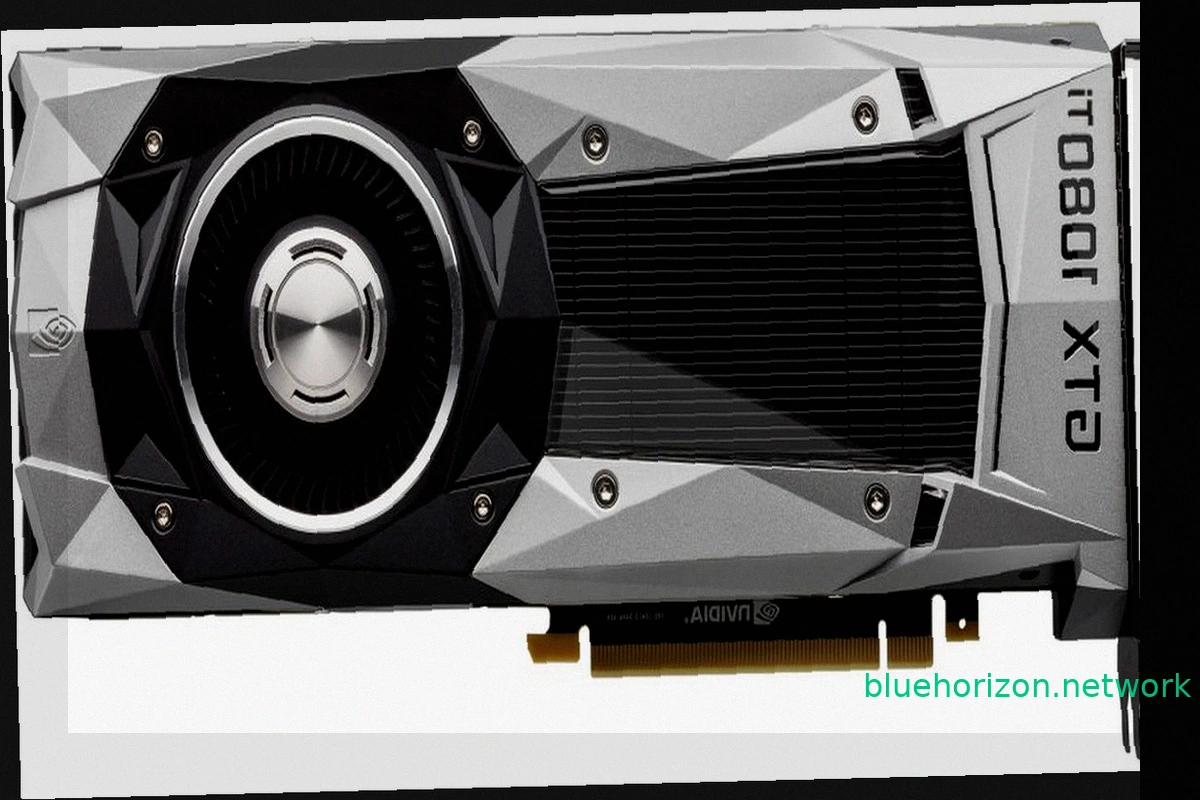
NVIDIA TITAN XP and GTX 1000 Series Achieve Windows XP Compatibility with Unofficial Forceware 382.69 Drivers
While modern PC components like RTX 50 graphics cards, Ryzen X3D CPUs, and high-speed RAM drive up costs, older hardware offers a budget-friendly alternative. A peculiar development now brings a degree of compatibility between older GPUs and Windows XP: the GTX 1000 series, including the TITAN

Google Wins AI Overviews Legal Battle Against Publishers
Google secured a significant court victory in the United States against publishers accusing the company of using their content to power AI Overviews. The core of the lawsuits was that these AI-generated summaries reduce website traffic. Federal Judge Amit P. Mehta of the District Court of Colu

Germany Launches Gaming-Focused Electricity Tariff with Consumption Rewards
German energy provider SWK Energie has introduced an unusual market segment for electricity: gamers. The company is promoting "meinGAMING," an electricity tariff designed for households with high energy consumption, specifically targeting gamers with powerful computers, streamers, and users wit

RuneScape 4 Announced: A New MMORPG Built on Unreal Engine
Jagex revealed RuneScape 4 (RS4) at RuneFest 2026. This new MMORPG, currently a working title, will be the fourth generation in the RuneScape franchise. The significant technological shift for this installment is its development on the Unreal Engine. While the specific version isn't confirmed, it
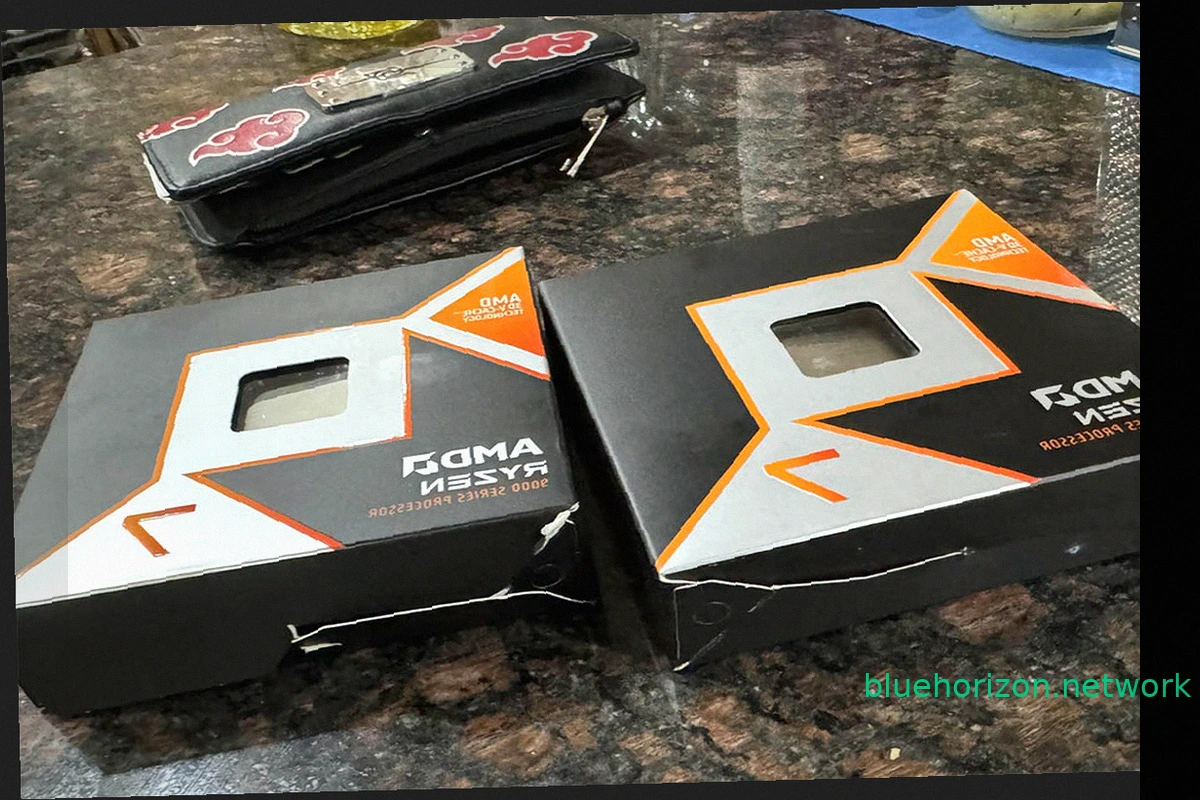
Ryzen 9850X3D Order Mix-Up: User Receives Intel Core i3-3220s Instead
AMD's gaming dominance, solidified by the Ryzen 7 7800X3D and its successor the 9800X3D, left Intel without comparable options. The subsequent release of the slightly faster Ryzen 9850X3D further cemented this lead. These processors are highly sought after by gamers. However, a recent Amazon o