China's DFSX TY64 SuperNode Achieves Nearly Double the Bandwidth of NVIDIA's GB200 NVL72
China is heavily investing in its domestic industry to achieve technological independence from the United States and other nations. The Asian giant aims to manufacture its own chips, and while US restrictions have made this challenging, they haven't halted progress. In fact, China continues to surprise, now achieving double the memory bandwidth of NVIDIA's GB200 NVL72 using the DFSX TY64 SuperNode.
Among global powers, the US fears China most, particularly in the technology and industry sectors, knowing China could potentially surpass it if left unchecked. This is why, at the dawn of the AI era, the US was the first to implement restrictions and sanctions against China, preventing them from acquiring advanced AI chips and the necessary manufacturing machinery, including from ASML.
China Achieves Nearly Double NVIDIA's Bandwidth with its DFSX TY64 SuperNode
Instead of settling for outdated technologies and chips, China's government has been dedicated to boosting the nation's industry and fostering advancement. While China may not yet match the US in chip performance, efficiency, or nanometer processes, it is excelling in other areas. Following Huawei's surpassing Intel's 18A node in density, DFSX's SuperNode TY64 now demonstrates superior bandwidth compared to NVIDIA's GB200 NVL72 system.
For context, the GB200 NVL72 is an NVIDIA rack server housing 72 interconnected GB200 GPUs alongside 36 Grace CPUs, engineered for exascale AI training and inference. Even this cutting-edge system has been outmatched by China's latest DFSX creation. This development follows DFSX's recent announcement as the first to create a 3.5D chiplet named DF1000 with 3D DRAM, showcasing rapid innovation.
Despite Reaching 960 TB/s Bandwidth, Performance is Significantly Slower Than GB200 NVL72
The DFSX TY64 SuperNode is comprised of 14nm DF2000 chips featuring stacked 3D DRAM architecture. This design fuses copper vias directly onto the wafer, eliminating wires and micro-contacts. This allows each DF2000 chip to achieve a bandwidth of 15 TB/s. The SuperNode TY64 version reaches an impressive 960 TB/s, nearly double NVIDIA's GB200 NVL72 at 576 TB/s.
However, while China has surpassed NVIDIA in this specific metric, it lags significantly in overall performance and efficiency. This is attributed to the difference in manufacturing processes, with 14nm technology for the SuperNode TY64 versus 4nm for the GB200 NVL72. Consequently, the TY64 offers 64 PFLOPs compared to the GB200 NVL72's 360 PFLOPs.
Fresh materials — Technology News

GTA VI: PlayStation 5 Firmware Update May Force Jailbreak Loss
Grand Theft Auto VI (GTA VI) is poised to create a dilemma for PlayStation 5 owners who wish to maintain their consoles with jailbreak-compatible firmware. According to data surfaced from the PlayStation Store backend by PlayStation Game Size, GTA VI will mandate at least PS5 firmware version
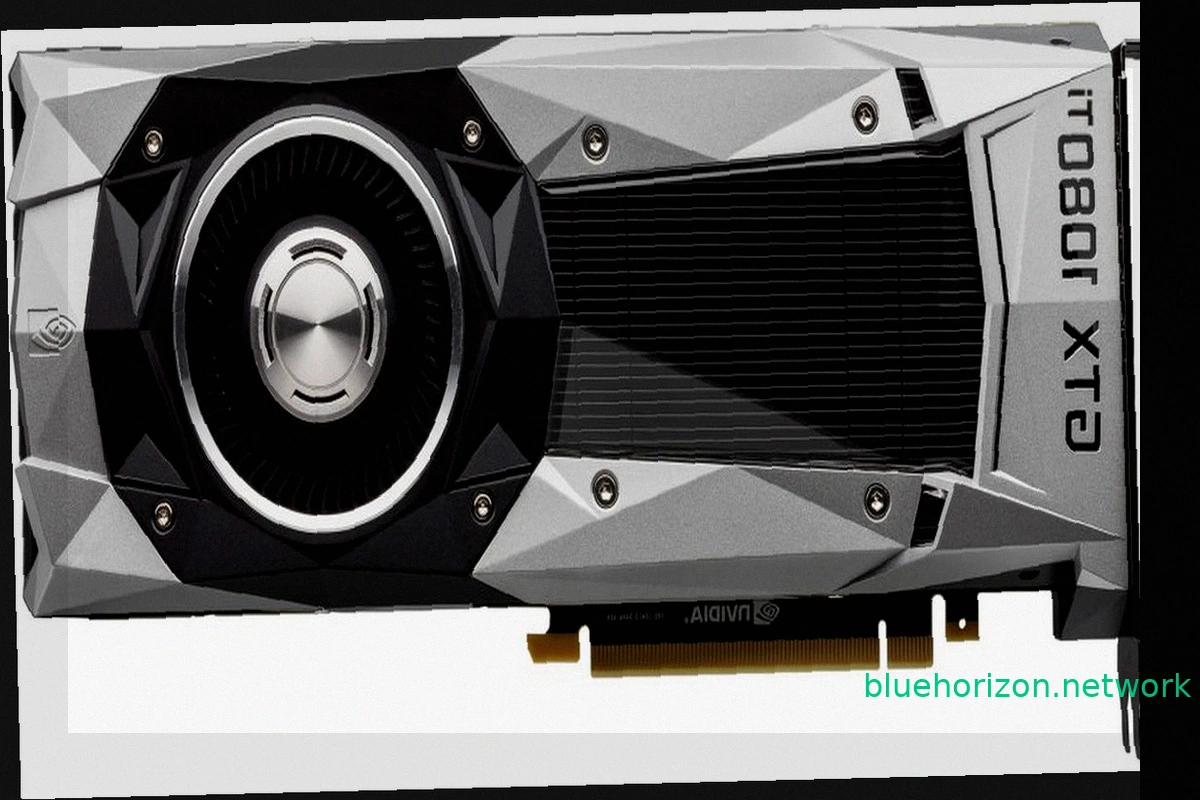
NVIDIA TITAN XP and GTX 1000 Series Achieve Windows XP Compatibility with Unofficial Forceware 382.69 Drivers
While modern PC components like RTX 50 graphics cards, Ryzen X3D CPUs, and high-speed RAM drive up costs, older hardware offers a budget-friendly alternative. A peculiar development now brings a degree of compatibility between older GPUs and Windows XP: the GTX 1000 series, including the TITAN

Google Wins AI Overviews Legal Battle Against Publishers
Google secured a significant court victory in the United States against publishers accusing the company of using their content to power AI Overviews. The core of the lawsuits was that these AI-generated summaries reduce website traffic. Federal Judge Amit P. Mehta of the District Court of Colu

Germany Launches Gaming-Focused Electricity Tariff with Consumption Rewards
German energy provider SWK Energie has introduced an unusual market segment for electricity: gamers. The company is promoting "meinGAMING," an electricity tariff designed for households with high energy consumption, specifically targeting gamers with powerful computers, streamers, and users wit

RuneScape 4 Announced: A New MMORPG Built on Unreal Engine
Jagex revealed RuneScape 4 (RS4) at RuneFest 2026. This new MMORPG, currently a working title, will be the fourth generation in the RuneScape franchise. The significant technological shift for this installment is its development on the Unreal Engine. While the specific version isn't confirmed, it
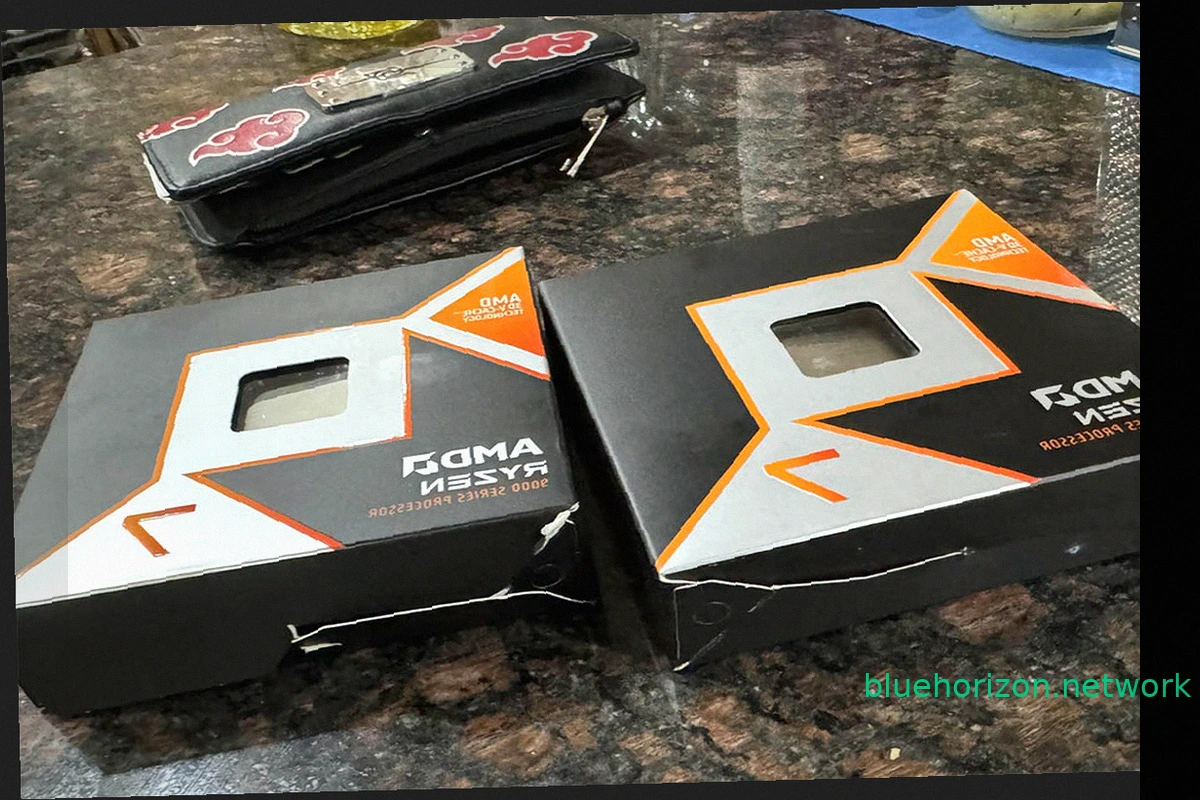
Ryzen 9850X3D Order Mix-Up: User Receives Intel Core i3-3220s Instead
AMD's gaming dominance, solidified by the Ryzen 7 7800X3D and its successor the 9800X3D, left Intel without comparable options. The subsequent release of the slightly faster Ryzen 9850X3D further cemented this lead. These processors are highly sought after by gamers. However, a recent Amazon o