Collabora is Porting Linux's AMD Open-Source Drivers (RADV) to Windows, and CS2 is the First Playable Game
While Linux is known for its strong performance with AMD hardware, users of NVIDIA or Intel GPUs often encounter various issues and suboptimal performance. This is largely due to AMD's long-standing focus on Linux and a dedicated community of users and developers actively enhancing the hardware experience and performance. Now, Collabora has stepped in, deciding to port AMD's open-source RADV drivers, originally for Linux, to Windows.
For AMD GPU owners on Linux, there are two main driver options: 'AMDVLK', AMD's official open-source drivers, and AMDGPU-PRO for professional graphics cards. The alternative comes from the Mesa 3D community drivers, which are open-source and supported by Valve. These are the RADV drivers, known for offering superior performance and stability compared to the official ones.
Porting Linux AMD RADV Open-Source Drivers to Windows
Beyond their performance advantages, RADV drivers receive more frequent updates, incorporating new features and improvements. For instance, January 2024 saw official compatibility with the latest AMD AMF version, and in April 2024, the drivers gained the ability to encode H.264 and H.265 video via Vulkan on Linux. If you've been wishing for these capabilities on Windows, you'll be pleased to know that the Collabora initiative is actively working on porting the Linux RADV drivers to Windows using the Win32 API.
This effort began with Faith Ekstrand's work in 2024, who managed to have RADV send commands to AMD's official drivers through reverse-engineering WDDM 2 on Windows 10. A significant hurdle was Windows' tight coupling between drivers and the kernel, along with its exchange of private data with drivers. To overcome this, Ekstrand developed a tool called 'wddm2-pdd-re', enabling RADV to send tasks to the proprietary kernel. This breakthrough allowed for the successful rendering of a functional 3D model, indicating a successful proof of concept.
Counter-Strike 2 is the First Playable Game, Achieving 162 FPS on an RX 7900 XT
Collabora has built upon this prototype, refining the core idea with several enhancements. Their objectives include improving hardware compatibility across a wider range, reducing overhead, and increasing stability. Furthermore, they have added support for task shaders and tessellation in games, making it possible to render complex graphics.
Indeed, they have successfully run the first game with RADV drivers on Windows: Counter-Strike 2. To enable it, Collabora suggests a simple change to the rendering API using the command-line option '-vulkan'. The accompanying visuals show the game running and appearing quite well, even in a 4:3 aspect ratio (likely due to the display used), achieving an impressive 162 FPS.
However, the process isn't without its challenges. Hardware compatibility remains complex; for example, they encountered difficulties replicating Faith's results using an RX 7900 XT after he had tested with an RX 7800 XT. Additionally, there are ongoing issues with compilers, meaning the drivers are not yet ready for general use. Nevertheless, if Collabora successfully completes the port, we could potentially see performance gains of up to three times in applications that are not heavily GPU-dependent.
Fresh materials — Technology News

GTA VI: PlayStation 5 Firmware Update May Force Jailbreak Loss
Grand Theft Auto VI (GTA VI) is poised to create a dilemma for PlayStation 5 owners who wish to maintain their consoles with jailbreak-compatible firmware. According to data surfaced from the PlayStation Store backend by PlayStation Game Size, GTA VI will mandate at least PS5 firmware version
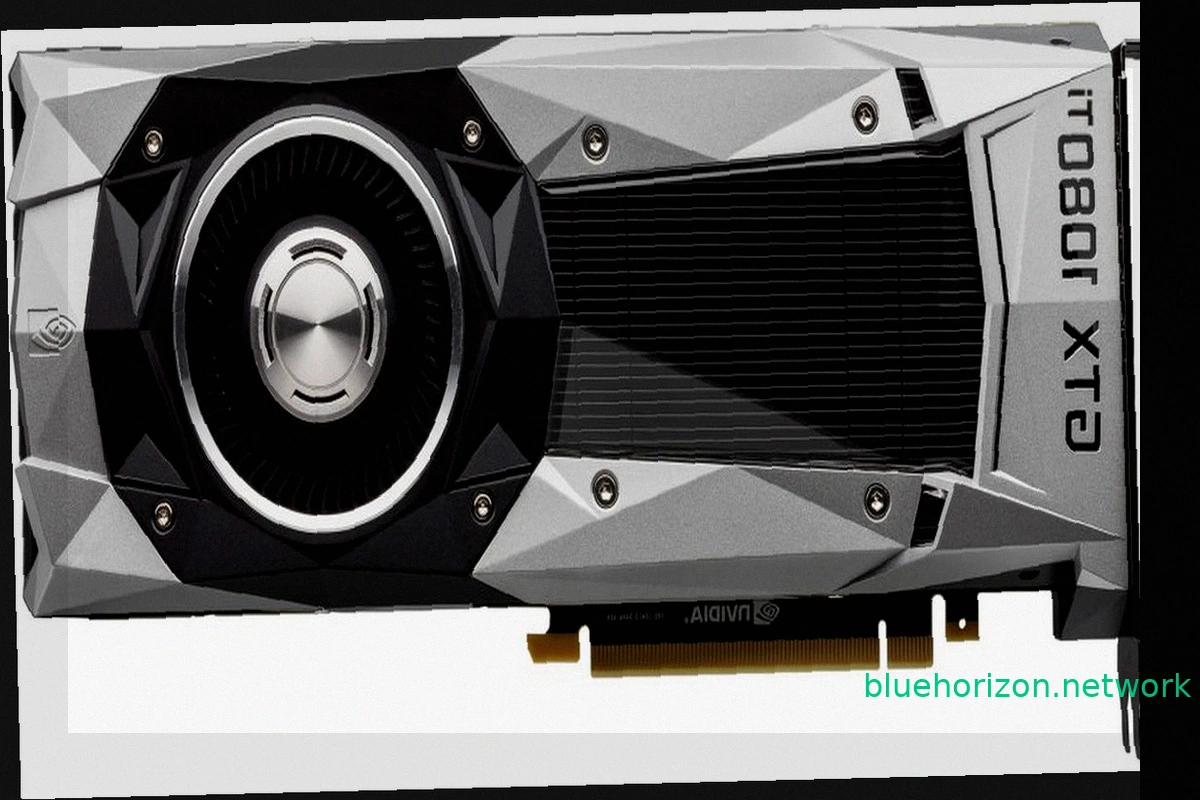
NVIDIA TITAN XP and GTX 1000 Series Achieve Windows XP Compatibility with Unofficial Forceware 382.69 Drivers
While modern PC components like RTX 50 graphics cards, Ryzen X3D CPUs, and high-speed RAM drive up costs, older hardware offers a budget-friendly alternative. A peculiar development now brings a degree of compatibility between older GPUs and Windows XP: the GTX 1000 series, including the TITAN

Google Wins AI Overviews Legal Battle Against Publishers
Google secured a significant court victory in the United States against publishers accusing the company of using their content to power AI Overviews. The core of the lawsuits was that these AI-generated summaries reduce website traffic. Federal Judge Amit P. Mehta of the District Court of Colu
Germany Launches Gaming-Focused Electricity Tariff with Consumption Rewards
German energy provider SWK Energie has introduced an unusual market segment for electricity: gamers. The company is promoting "meinGAMING," an electricity tariff designed for households with high energy consumption, specifically targeting gamers with powerful computers, streamers, and users wit
RuneScape 4 Announced: A New MMORPG Built on Unreal Engine
Jagex revealed RuneScape 4 (RS4) at RuneFest 2026. This new MMORPG, currently a working title, will be the fourth generation in the RuneScape franchise. The significant technological shift for this installment is its development on the Unreal Engine. While the specific version isn't confirmed, it
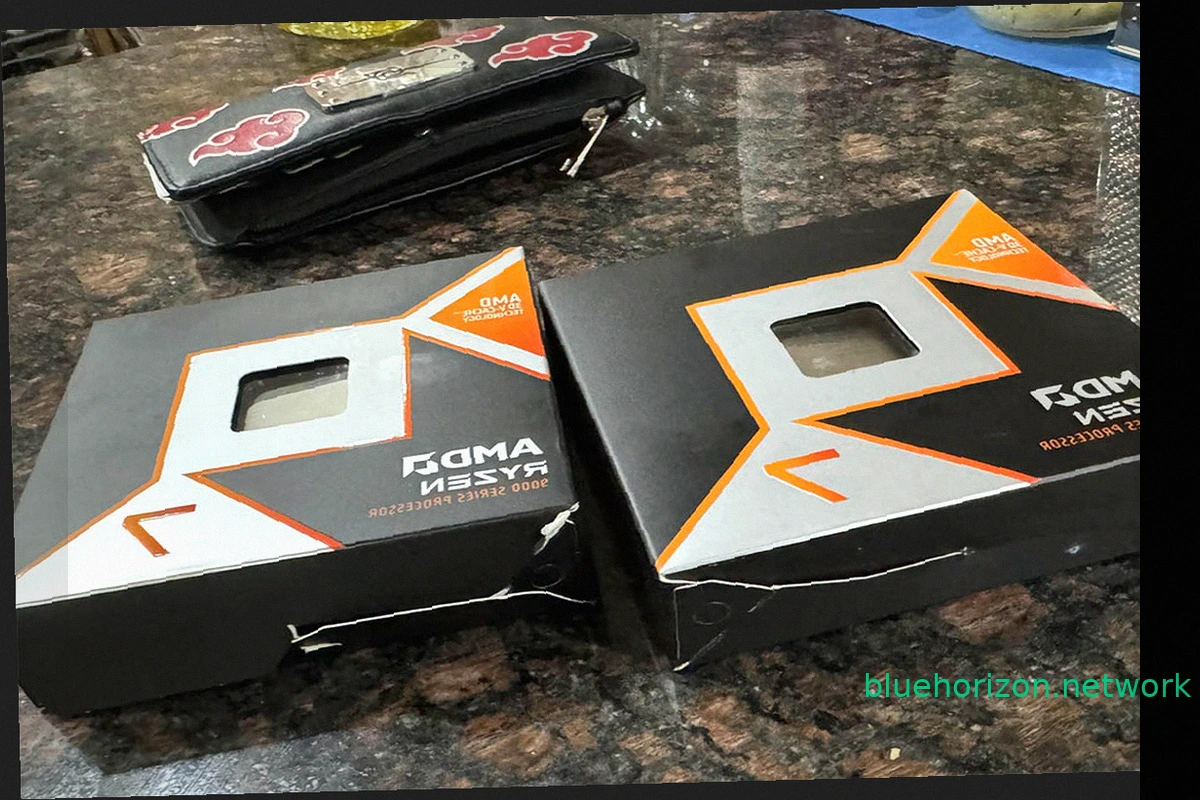
Ryzen 9850X3D Order Mix-Up: User Receives Intel Core i3-3220s Instead
AMD's gaming dominance, solidified by the Ryzen 7 7800X3D and its successor the 9800X3D, left Intel without comparable options. The subsequent release of the slightly faster Ryzen 9850X3D further cemented this lead. These processors are highly sought after by gamers. However, a recent Amazon o