DLSS 5: NVIDIA's "Trojan Horse" to Dominate PC Gaming
NVIDIA has long held a dominant position in the PC graphics card market, significantly outperforming AMD in market share. Despite some criticism for the RTX 50 series, sales remained strong. Now, with the advent of DLSS 5, popular YouTuber Moore's Law is Dead predicts it could deliver the "final blow" to AMD in PC gaming, potentially compelling developers to exclusively utilize NVIDIA's technology.
Historically, NVIDIA attracted gamers due to its more stable drivers, whereas AMD's drivers often presented issues. Before the RTX series, NVIDIA offered exclusive features like CUDA and PhysX. The introduction of RTX cards brought Tensor Cores, enabling real-time Ray Tracing and DLSS. While the first iteration of DLSS was underwhelming, DLSS 2 and subsequent versions marked significant quality improvements. AMD responded with FSR, which arrived later and was initially considered inferior, though FSR 4 has shown considerable progress. Nevertheless, NVIDIA continued its innovation with DLSS 4.5, and now, the controversial DLSS 5.
DLSS 5: A Game-Changer or Market Dominator?
Moore's Law is Dead believes DLSS 5 poses an existential threat to AMD. Unlike FSR, which has improved in scaling to rival NVIDIA, DLSS 5 is fundamentally different. It's not merely an AI filter; NVIDIA's CEO Jensen Huang has indicated that it dynamically modifies geometry, details, and lighting in real-time, offering developers profound control. With NVIDIA fully embracing AI, and AMD still in the nascent stages of incorporating Machine Learning into FSR, the technological gap is vast.
The YouTuber draws a comparison between DLSS 5 and PhysX, a technology that enhanced graphics but mandated NVIDIA hardware. Despite not being an NVIDIA advocate, Moore's Law is Dead criticizes DLSS 5 for shifting away from its original purpose of performance upscaling to become a tool for market domination. He suggests that, similar to PhysX, optimal DLSS 5 performance might require dedicated graphics hardware, even citing observations of a setup using two RTX 5090s (one for the game, one for DLSS 5). This scenario could inadvertently boost NVIDIA's GPU sales.
While PhysX ultimately faded due to limited adoption, NVIDIA consistently pursues technological superiority. Moore's Law is Dead warns that widespread developer adoption of DLSS 5 could signal the end for AMD in PC gaming. He urges AMD to chart its own course, focusing on improving GPU performance organically rather than relying on "AI-invented frames" or technologies like DLSS 5, which he perceives as akin to "real-time AI-generated video."
Fresh materials — Technology News

GTA VI: PlayStation 5 Firmware Update May Force Jailbreak Loss
Grand Theft Auto VI (GTA VI) is poised to create a dilemma for PlayStation 5 owners who wish to maintain their consoles with jailbreak-compatible firmware. According to data surfaced from the PlayStation Store backend by PlayStation Game Size, GTA VI will mandate at least PS5 firmware version
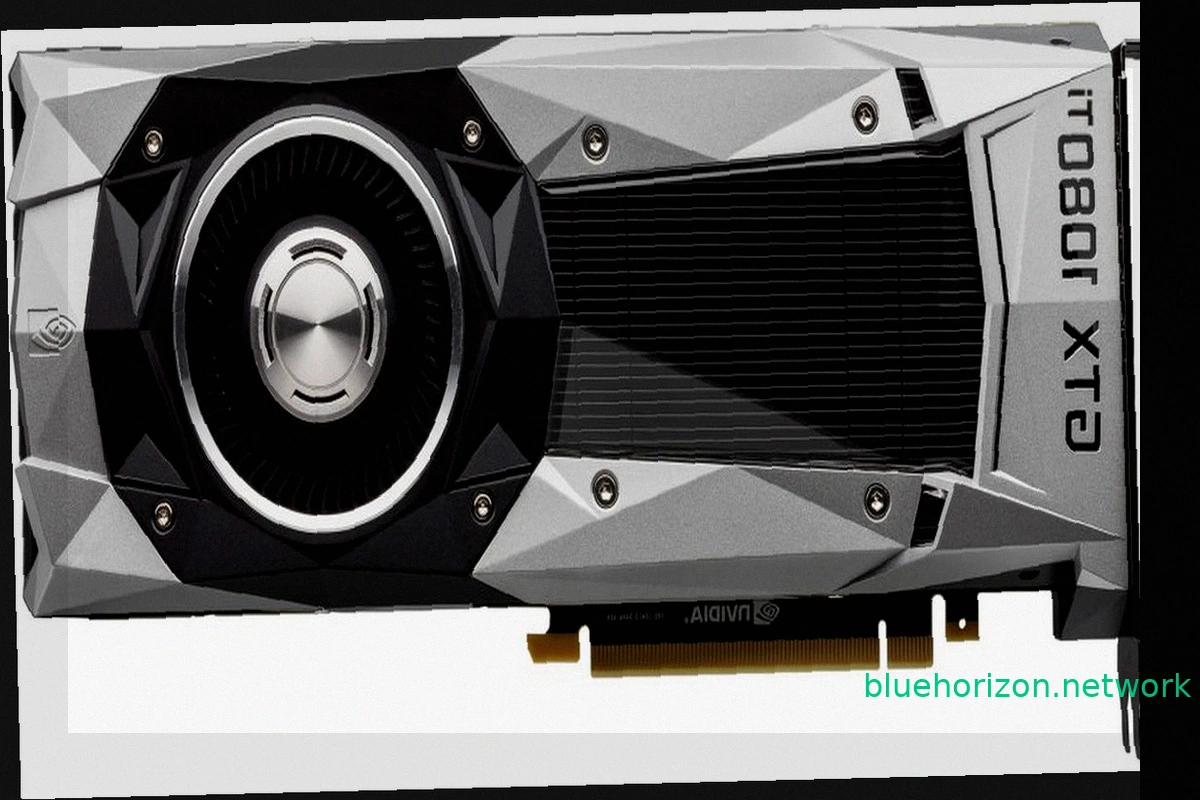
NVIDIA TITAN XP and GTX 1000 Series Achieve Windows XP Compatibility with Unofficial Forceware 382.69 Drivers
While modern PC components like RTX 50 graphics cards, Ryzen X3D CPUs, and high-speed RAM drive up costs, older hardware offers a budget-friendly alternative. A peculiar development now brings a degree of compatibility between older GPUs and Windows XP: the GTX 1000 series, including the TITAN

Google Wins AI Overviews Legal Battle Against Publishers
Google secured a significant court victory in the United States against publishers accusing the company of using their content to power AI Overviews. The core of the lawsuits was that these AI-generated summaries reduce website traffic. Federal Judge Amit P. Mehta of the District Court of Colu

Germany Launches Gaming-Focused Electricity Tariff with Consumption Rewards
German energy provider SWK Energie has introduced an unusual market segment for electricity: gamers. The company is promoting "meinGAMING," an electricity tariff designed for households with high energy consumption, specifically targeting gamers with powerful computers, streamers, and users wit

RuneScape 4 Announced: A New MMORPG Built on Unreal Engine
Jagex revealed RuneScape 4 (RS4) at RuneFest 2026. This new MMORPG, currently a working title, will be the fourth generation in the RuneScape franchise. The significant technological shift for this installment is its development on the Unreal Engine. While the specific version isn't confirmed, it
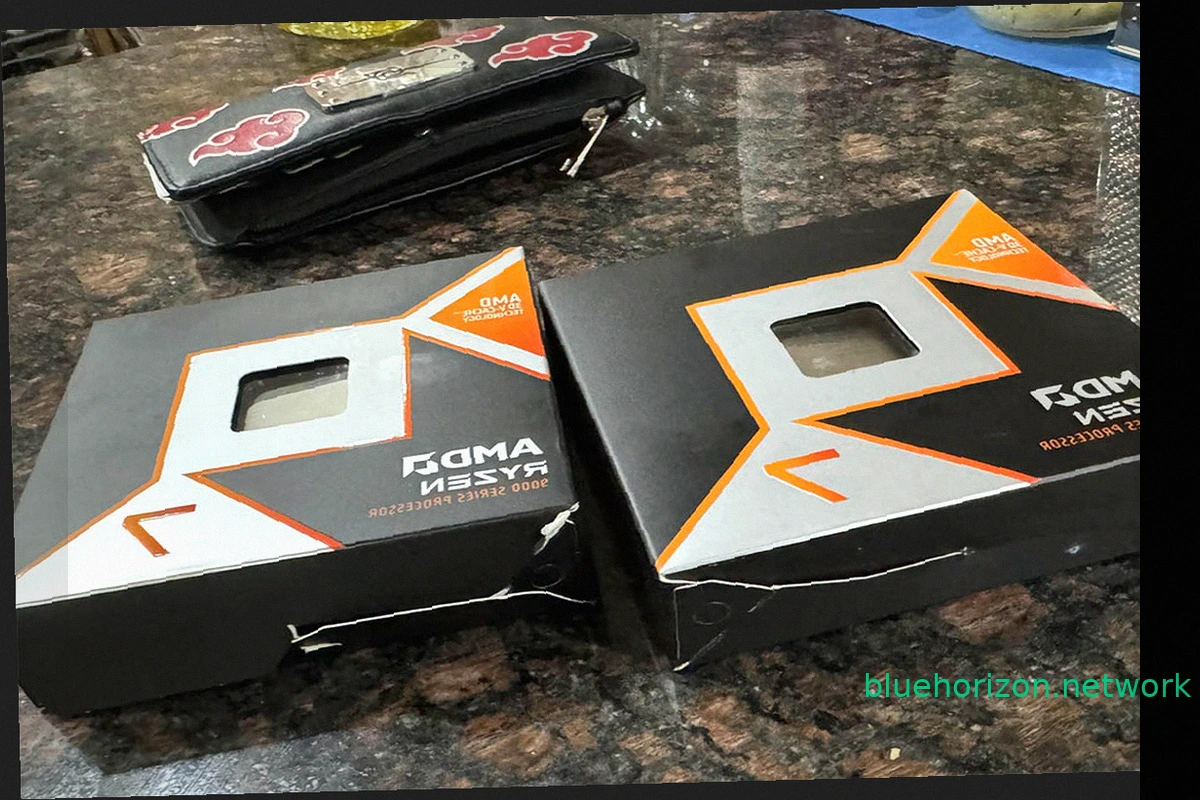
Ryzen 9850X3D Order Mix-Up: User Receives Intel Core i3-3220s Instead
AMD's gaming dominance, solidified by the Ryzen 7 7800X3D and its successor the 9800X3D, left Intel without comparable options. The subsequent release of the slightly faster Ryzen 9850X3D further cemented this lead. These processors are highly sought after by gamers. However, a recent Amazon o