Fujitsu and Rapidus Accelerate Japan's AI Chip Race to 1.4nm by 2029
Fujitsu is making a significant entry into the Artificial Intelligence race, partnering with Rapidus to develop 1.4 nm chips specifically designed for AI inference. This ambitious project focuses on creating Neural Processing Units (NPUs) for data centers and supercomputing, with production planned for Japan and a target set for 2029. The initiative aims not only for peak performance but also for greater technological independence for Japan on the global semiconductor stage.
Japan's Strategic Investment in Advanced Semiconductor Manufacturing
The collaboration between Fujitsu and Rapidus carries an estimated cost of 58 billion Japanese Yen (approximately 363 million US dollars). A substantial portion of this investment, about two-thirds, is being covered by the Japanese government through NEDO (New Energy and Industrial Technology Development Organization). This direct public funding is critical to establishing a complete domestic development and manufacturing cycle within the country. Rapidus, a new Japanese semiconductor fabrication company, is tasked with consolidating its 2 nm process node between 2027 and 2028 before advancing to the challenging 1.4 nm node.
While the timeline is ambitious, the technical focus is clear: to develop chips optimized for AI inference, where energy efficiency is a paramount concern. NPUs are designed to handle AI workloads with significantly lower power consumption compared to general-purpose GPUs in many scenarios, making them ideal for massive deployments in data centers. This strategic approach aligns with the current industry trend where energy cost is becoming as critical as raw processing power.
Building a Comprehensive Domestic AI Ecosystem
Another fundamental aspect of this strategy is the seamless integration with Fujitsu's own CPU designs. The company is already developing its Arm-based Monaka processors, featuring configurations of up to 144 cores, intended for high-performance computing (HPC) systems like the successor to the Fugaku supercomputer. The overarching vision is to construct an integrated platform comprising both CPUs and NPUs under a unified ecosystem, thereby reducing reliance on external solutions and foreign suppliers.
This initiative represents a significant effort by Japan to rebuild a complete advanced semiconductor supply chain, from initial design to final deployment, entirely within its own borders. In a market heavily dominated by giants like NVIDIA in AI acceleration and TSMC in advanced manufacturing, Japan seeks to lessen its dependencies and gain strategic autonomy. Although the path is challenging and the pace demanded is comparable to that of established leaders like Intel and TSMC, Japan's direction is unequivocal: increased specialization in AI, a strong focus on inference efficiency, and enhanced technological self-sufficiency, with the goal of becoming a competitive force in advanced chips before 2030.
Fresh materials — Technology News

GTA VI: PlayStation 5 Firmware Update May Force Jailbreak Loss
Grand Theft Auto VI (GTA VI) is poised to create a dilemma for PlayStation 5 owners who wish to maintain their consoles with jailbreak-compatible firmware. According to data surfaced from the PlayStation Store backend by PlayStation Game Size, GTA VI will mandate at least PS5 firmware version
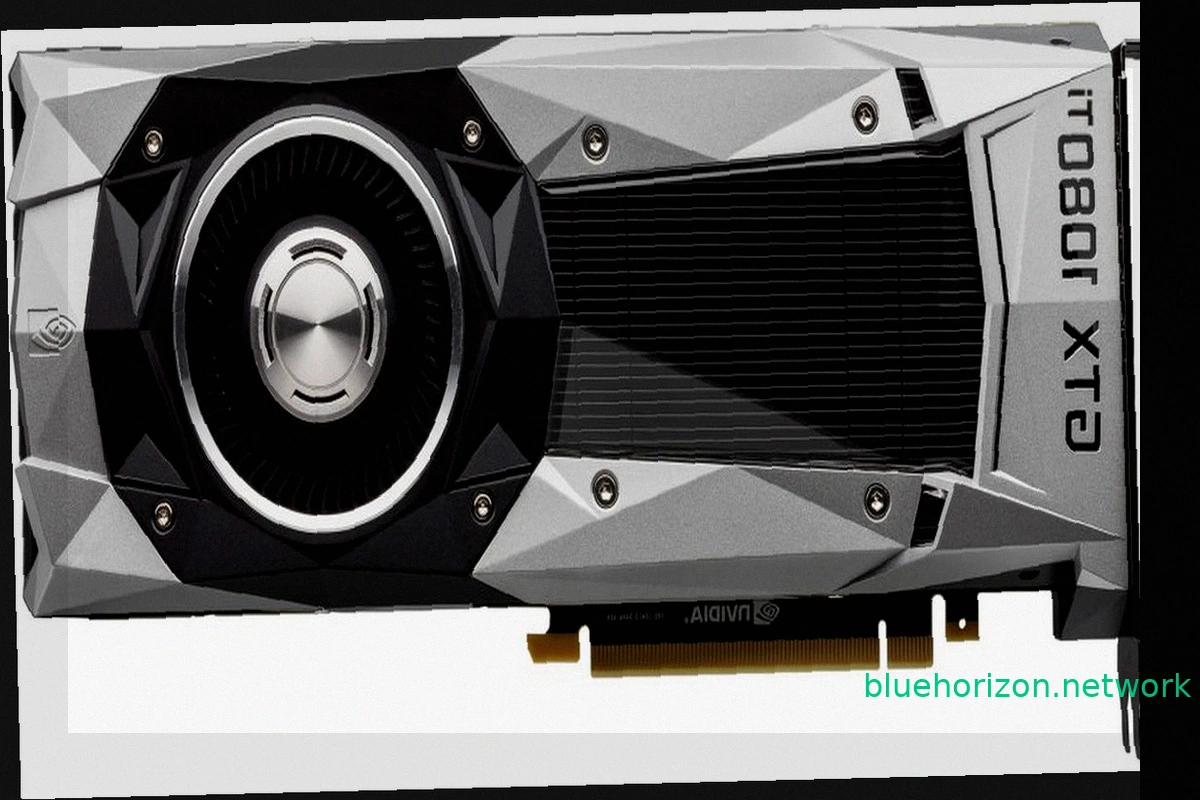
NVIDIA TITAN XP and GTX 1000 Series Achieve Windows XP Compatibility with Unofficial Forceware 382.69 Drivers
While modern PC components like RTX 50 graphics cards, Ryzen X3D CPUs, and high-speed RAM drive up costs, older hardware offers a budget-friendly alternative. A peculiar development now brings a degree of compatibility between older GPUs and Windows XP: the GTX 1000 series, including the TITAN

Google Wins AI Overviews Legal Battle Against Publishers
Google secured a significant court victory in the United States against publishers accusing the company of using their content to power AI Overviews. The core of the lawsuits was that these AI-generated summaries reduce website traffic. Federal Judge Amit P. Mehta of the District Court of Colu

Germany Launches Gaming-Focused Electricity Tariff with Consumption Rewards
German energy provider SWK Energie has introduced an unusual market segment for electricity: gamers. The company is promoting "meinGAMING," an electricity tariff designed for households with high energy consumption, specifically targeting gamers with powerful computers, streamers, and users wit

RuneScape 4 Announced: A New MMORPG Built on Unreal Engine
Jagex revealed RuneScape 4 (RS4) at RuneFest 2026. This new MMORPG, currently a working title, will be the fourth generation in the RuneScape franchise. The significant technological shift for this installment is its development on the Unreal Engine. While the specific version isn't confirmed, it
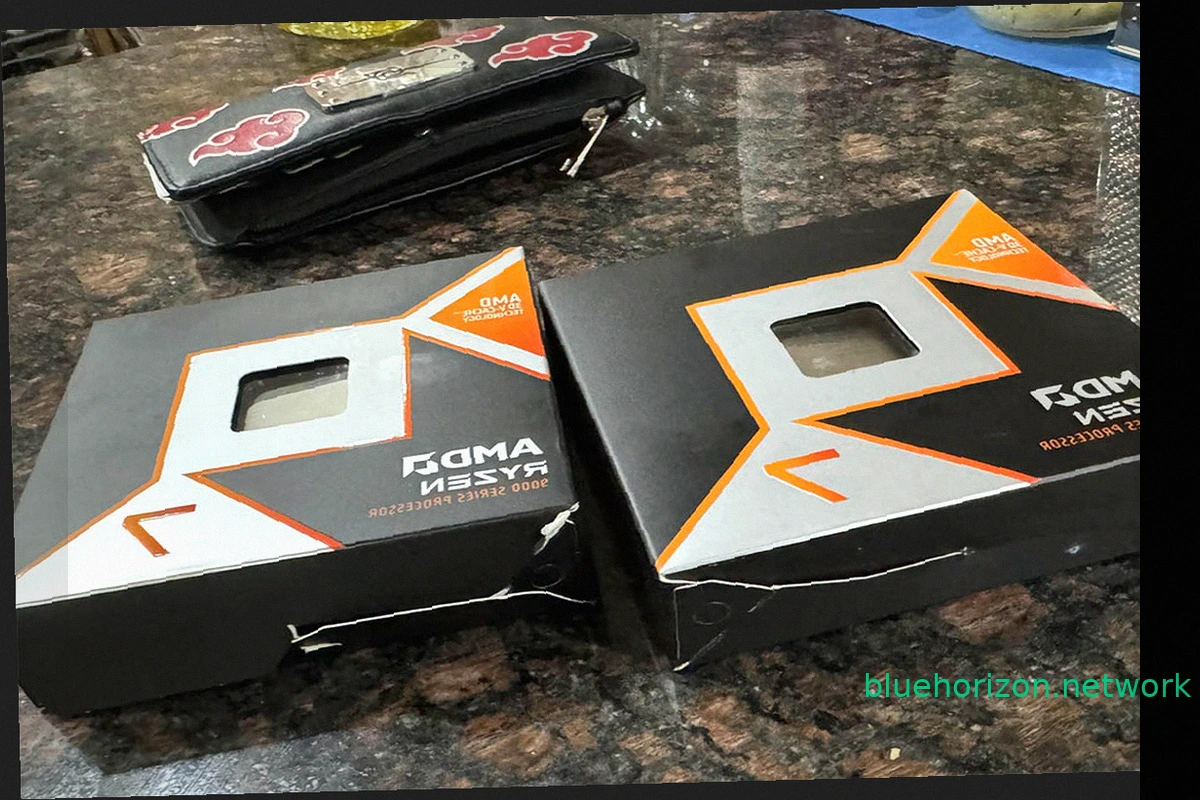
Ryzen 9850X3D Order Mix-Up: User Receives Intel Core i3-3220s Instead
AMD's gaming dominance, solidified by the Ryzen 7 7800X3D and its successor the 9800X3D, left Intel without comparable options. The subsequent release of the slightly faster Ryzen 9850X3D further cemented this lead. These processors are highly sought after by gamers. However, a recent Amazon o