Geekbench 6.7 to Invalidate Intel BOT Scores on Core Ultra CPUs
Primate Labs has released Geekbench 6.7, a new version that doesn't aim to change scoring scales or promise performance boosts, as some rumors suggested. Instead, this update addresses a very specific issue: the controversy surrounding Intel BOT and the Core Ultra 200S Plus processors. Geekbench 6.7 introduces a detection system that checks if the Intel BOT function is active on a system. If detected, the benchmark results will be marked as invalid in the Geekbench Browser.
This decision is more significant than it might initially appear, shifting the focus from raw performance numbers to the critical need for fair and comparable benchmarks across different CPUs and platforms.
Primate Labs Condemns Intel BOT with Geekbench 6.7: Active BOT Means Invalid Results
This marks the definitive resolution to a long-standing controversy. Intel defines BOT (Boost on Test) as an optional feature within Intel Application Optimization's advanced mode, designed to optimize games and applications on certain recent processors. Intel's official documentation explicitly lists Geekbench 6.3+ as a compatible title and also includes support for Intel Core Ultra 200S Plus (Arrow Lake-S Refresh) CPUs. Therefore, this isn't a theoretical issue but a real, documented function intended to manipulate specific workloads, which the benchmarking suite will now effectively neutralize for its results.
Primate Labs had previously explained its concerns, noting a significant impact. In their tests with Geekbench 6.3, BOT inflated Single Core scores from 2,955 to 3,119 and Multi-Core scores from 16,786 to 17,705, representing a +5.5% increase in both cases. Furthermore, for specific workloads like Object Remover and HDR, scores soared by up to 30%.
Upon closer examination of the benchmark's behavior, it was evident that IBOT was identifying specific binaries and aggressively altering their execution.
A Boost That Severely Distorted the Validity of Other Results
To simplify, scores were being artificially boosted far beyond what a traditional execution error might cause, almost as if processors had a "Boost mode" triggered upon detecting the benchmark's start. For example, in the HDR test, total instructions dropped from 1.26 trillion to 1.08 trillion, scalar instructions fell from 220 billion to 84.6 billion, while vectorial instructions dramatically jumped from 1.25 billion to 18.3 billion—an astounding +1,366% increase. This data clearly explains why Geekbench 6.7 now marks these results as invalid rather than treating them as normal.
Notably, Geekbench 6.7 does not retroactively break previous comparisons and doesn't outright ban Core Ultra 200S Plus CPUs with IBOT active. Instead, it ensures that these scores are simply not considered valid for new comparative purposes. Primate Labs clarifies that scores remain fully comparable with Geekbench 6.3, 6.4, 6.5, and 6.6. What changes is the integrity of the leaderboard: a result with IBOT active will no longer be casually mixed with others, directly impacting any benchmarks published with compatible CPUs, specifically the Core Ultra 200 Plus series.
Three other changes in this version of the suite are also noteworthy, though secondary to the main update: Geekbench 6.7 now offers improved SoC identification on Android, displaying the manufacturer and model instead of generic architecture. It also enhances CPU identification on RISC-V, showing the processor's name instead of a lengthy ISA string. Finally, it corrects multi-thread crashes that could occur on Linux Arm systems. While these are useful improvements, the primary focus of this release is clear: Intel BOT will no longer go unnoticed in Geekbench 6.7, and while not excluded, scores from Core Ultra 200S Plus processors with it active will be deemed invalid. A Solomon-like decision, perhaps? Feel free to share your thoughts.
Fresh materials — Technology News

GTA VI: PlayStation 5 Firmware Update May Force Jailbreak Loss
Grand Theft Auto VI (GTA VI) is poised to create a dilemma for PlayStation 5 owners who wish to maintain their consoles with jailbreak-compatible firmware. According to data surfaced from the PlayStation Store backend by PlayStation Game Size, GTA VI will mandate at least PS5 firmware version
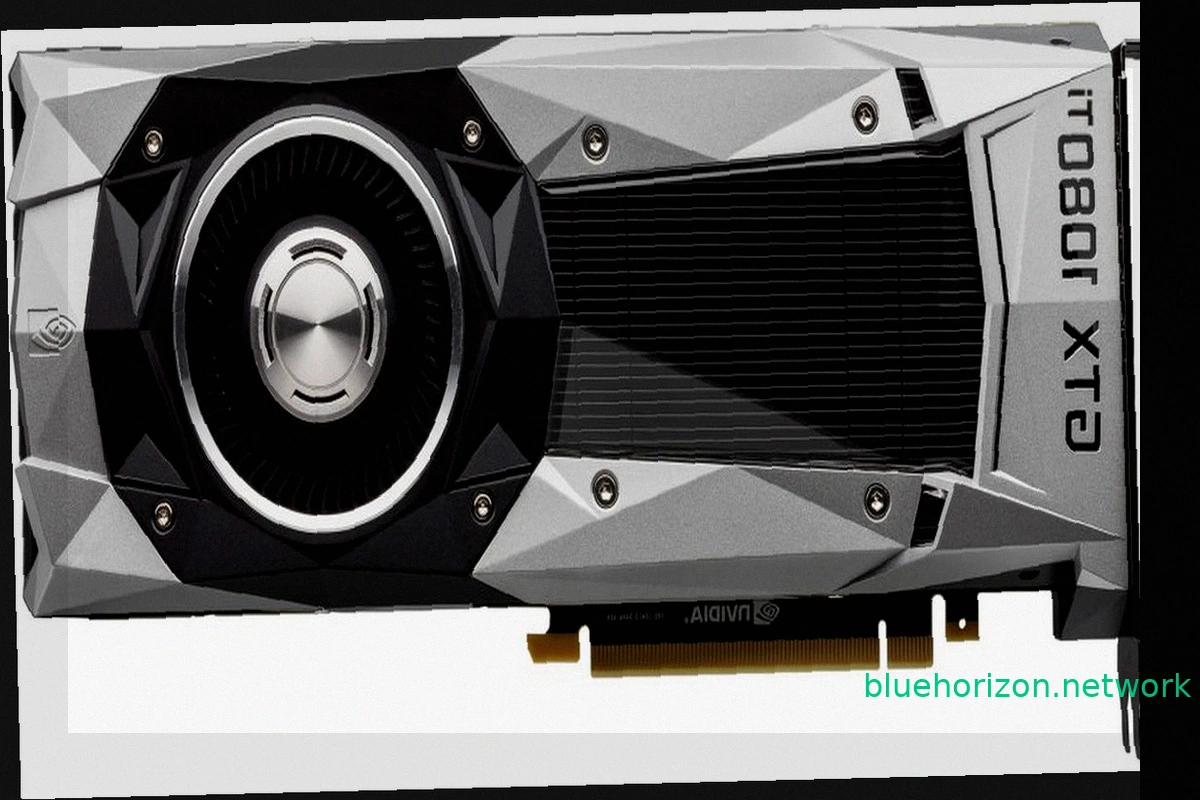
NVIDIA TITAN XP and GTX 1000 Series Achieve Windows XP Compatibility with Unofficial Forceware 382.69 Drivers
While modern PC components like RTX 50 graphics cards, Ryzen X3D CPUs, and high-speed RAM drive up costs, older hardware offers a budget-friendly alternative. A peculiar development now brings a degree of compatibility between older GPUs and Windows XP: the GTX 1000 series, including the TITAN

Google Wins AI Overviews Legal Battle Against Publishers
Google secured a significant court victory in the United States against publishers accusing the company of using their content to power AI Overviews. The core of the lawsuits was that these AI-generated summaries reduce website traffic. Federal Judge Amit P. Mehta of the District Court of Colu

Germany Launches Gaming-Focused Electricity Tariff with Consumption Rewards
German energy provider SWK Energie has introduced an unusual market segment for electricity: gamers. The company is promoting "meinGAMING," an electricity tariff designed for households with high energy consumption, specifically targeting gamers with powerful computers, streamers, and users wit

RuneScape 4 Announced: A New MMORPG Built on Unreal Engine
Jagex revealed RuneScape 4 (RS4) at RuneFest 2026. This new MMORPG, currently a working title, will be the fourth generation in the RuneScape franchise. The significant technological shift for this installment is its development on the Unreal Engine. While the specific version isn't confirmed, it
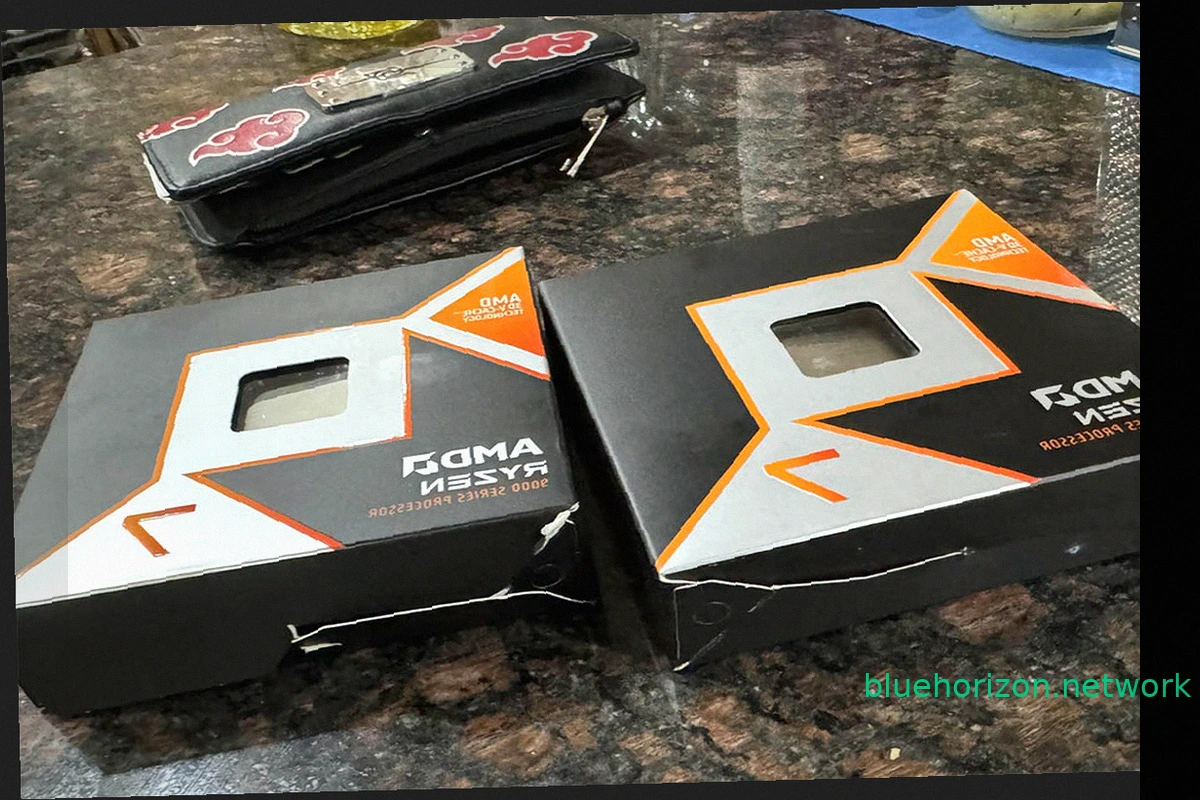
Ryzen 9850X3D Order Mix-Up: User Receives Intel Core i3-3220s Instead
AMD's gaming dominance, solidified by the Ryzen 7 7800X3D and its successor the 9800X3D, left Intel without comparable options. The subsequent release of the slightly faster Ryzen 9850X3D further cemented this lead. These processors are highly sought after by gamers. However, a recent Amazon o