Intel adoptará la estrategia de AMD: soporte extendido para múltiples generaciones de CPU en un solo socket
Durante décadas, Intel y AMD han sido rivales clave en el mercado de procesadores para PC y portátiles. Aunque Intel mantuvo una posición dominante en el pasado, AMD ha estado ganando terreno de manera constante, aumentando su cuota de mercado del menos del 10% a más del 30%. Un factor crucial en el éxito de AMD, además del excelente rendimiento-precio de sus Ryzen, ha sido su compromiso con plataformas de larga duración (6-7 años), que permiten la compatibilidad con múltiples generaciones de CPU en un mismo socket. En contraste, Intel históricamente exigía un cambio de socket con cada nueva generación de procesadores. Sin embargo, esta política está a punto de cambiar, ya que Intel parece dispuesta a adoptar la estrategia de AMD, ofreciendo soporte para varias generaciones de CPU en cada socket.
Antes de la introducción de los procesadores Ryzen, Intel ostentaba un dominio absoluto en rendimiento, tanto en aplicaciones como en juegos. Este liderazgo se mantuvo durante la era de sus procesadores 'quad core', que comenzó con los Core 2 Quad y continuó con sucesivas generaciones de i5 e i7 de cuatro núcleos. Esta configuración se mantuvo sin cambios significativos en el número de núcleos durante un largo periodo, abarcando desde los Intel Core Nehalem (2009) hasta los Kaby Lake (2016), incluyendo Sandy Bridge (2011), Ivy Bridge (2012), Haswell (2013), Broadwell (2014) y Skylake (2015). Fue la llegada de AMD Ryzen lo que finalmente impulsó a Intel a desarrollar procesadores con más de cuatro núcleos.
Un nuevo equipo en Intel prioriza la longevidad de la plataforma, señalando un posible soporte multi-generacional para sockets, al estilo AMD.
Históricamente, Intel lanzaba una nueva generación de procesadores anualmente, lo que a menudo implicaba la necesidad de adquirir una placa base con un nuevo socket. Esta práctica contrastaba fuertemente con la estrategia de AMD, que, aunque lanzaba nuevas generaciones cada dos años aproximadamente, ofrecía plataformas con sockets que duraban entre 6 y 7 años, e incluso más. Un ejemplo paradigmático es el socket AM4, que ha soportado procesadores desde los Ryzen 1000 hasta los Ryzen 5000, incluyendo lanzamientos recientes. Ante la continua pérdida de clientes, Intel parece estar escuchando a su comunidad, y es muy probable que futuros sockets ofrezcan soporte extendido para múltiples generaciones de procesadores.
Robert Hallock insinuó este cambio en una entrevista reciente, destacando la atención de Intel a las demandas de los usuarios y su renovada preocupación por la vida útil de la plataforma. Es crucial reconocer que la compañía ha experimentado una transformación interna, con la incorporación de nuevos equipos en gestión de productos, comercial, marketing e ingeniería. Para recuperar a sus clientes, Intel debe redefinir por completo sus métodos de trabajo y las CPU que introduce en el mercado. Considerando que AMD ha brindado soporte a 8 familias de procesadores (145 CPU en total) con el socket AM4, y ya van 4 con AM5, es evidente que Intel necesita actuar, y el soporte multi-generacional en un mismo socket emerge como una solución vital.
Nova Lake de Intel, con caché bLLC, se prepara para competir directamente con los Ryzen X3D.
Intel ya ha iniciado pequeños ajustes, con el socket LGA 1854 ofreciendo compatibilidad con los Core Ultra Series 2 y su actualización actual. Sin embargo, un cambio más significativo podría llegar con el LGA 1954, asociado a Nova Lake. Será entonces cuando se confirmará si Intel adopta o no el soporte extendido de sockets. Si esta estrategia se materializa, representará un desafío considerable para una de las ventajas clave de AMD. Además, es relevante destacar que Nova Lake está siendo desarrollado con caché L3 (bLLC) integrada, específicamente para competir con los procesadores AMD X3D.
Actualmente, AMD aventaja a Intel en el segmento de procesadores de sobremesa para gaming con sus modelos X3D, y domina el mercado de servidores con sus líneas Threadripper y EPYC. Es imperativo que Intel implemente cambios significativos si desea evitar una mayor pérdida de cuota de mercado frente a una AMD que continúa innovando. Con la próxima llegada de Zen 6, será interesante observar cómo Nova Lake se posiciona en esta competencia directa y si logra convertirse en un rival formidable.
Intel to Adopt AMD's Strategy: Extended Multi-Generation CPU Support for Single Socket
For decades, Intel and AMD have been key rivals in the PC and laptop processor market. While Intel maintained a dominant position in the past, AMD has been steadily gaining ground, increasing its market share from less than 10% to over 30%. A crucial factor in AMD's success, besides the excellent performance-to-price ratio of its Ryzen processors, has been its commitment to long-lasting platforms (6-7 years), which allow compatibility with multiple CPU generations on the same socket. In contrast, Intel historically required a socket change with each new processor generation. However, this policy is about to change, as Intel appears ready to adopt AMD's strategy, offering support for multiple CPU generations on a single socket.
Before the introduction of Ryzen processors, Intel held absolute dominance in performance, both in applications and games. This leadership was maintained during the era of its 'quad core' processors, starting with the Core 2 Quad and continuing with successive generations of four-core i5 and i7 CPUs. This core configuration remained largely unchanged for an extended period, spanning from Intel Core Nehalem (2009) to Kaby Lake (2016), including Sandy Bridge (2011), Ivy Bridge (2012), Haswell (2013), Broadwell (2014), and Skylake (2015). It was the arrival of AMD Ryzen that finally pushed Intel to develop processors with more than four cores.
A New Team at Intel Prioritizes Platform Longevity, Hinting at Potential Multi-Generational Socket Support, AMD-Style.
Historically, Intel launched a new generation of processors annually, often necessitating the purchase of a new motherboard with a different socket. This practice sharply contrasted with AMD's strategy, which, while releasing new generations approximately every two years, offered platforms with sockets lasting between 6 and 7 years, or even longer. A prime example is the AM4 socket, which has supported processors from Ryzen 1000 to Ryzen 5000, including recent releases. Faced with continuous customer attrition, Intel appears to be listening to its community, and it is highly probable that future sockets will offer extended support for multiple processor generations.
Robert Hallock hinted at this shift in a recent interview, emphasizing Intel's responsiveness to user demands and its renewed focus on platform longevity. It's crucial to acknowledge that the company has undergone an internal transformation, with the integration of new teams in product management, sales, marketing, and engineering. To regain its customer base, Intel must completely redefine its working methods and the CPUs it introduces to the market. Given that AMD has supported 8 processor families (145 CPUs in total) with the AM4 socket, and already 4 with AM5, it's clear that Intel needs to take action, and multi-generational socket support emerges as a vital solution.
Intel's Nova Lake, Featuring bLLC Cache, Prepares to Directly Compete with Ryzen X3D.
Intel has already initiated minor adjustments, with the LGA 1854 socket offering compatibility with the Core Ultra Series 2 and its current refresh. However, a more significant shift could arrive with LGA 1954, associated with Nova Lake. It will then be confirmed whether Intel adopts extended socket support. If this strategy materializes, it will present a considerable challenge to one of AMD's key advantages. Furthermore, it's worth noting that Nova Lake is being developed with integrated L3 cache (bLLC), specifically designed to compete with AMD X3D processors.
Currently, AMD holds an advantage over Intel in the desktop gaming processor segment with its X3D models, and dominates the server market with its Threadripper and EPYC lines. It is imperative that Intel implements significant changes if it wishes to avoid further market share loss against an AMD that continues to innovate. With the upcoming arrival of Zen 6, it will be interesting to observe how Nova Lake positions itself in this direct competition and if it proves to be a formidable rival.
Fresh materials — Technology News

GTA VI: PlayStation 5 Firmware Update May Force Jailbreak Loss
Grand Theft Auto VI (GTA VI) is poised to create a dilemma for PlayStation 5 owners who wish to maintain their consoles with jailbreak-compatible firmware. According to data surfaced from the PlayStation Store backend by PlayStation Game Size, GTA VI will mandate at least PS5 firmware version
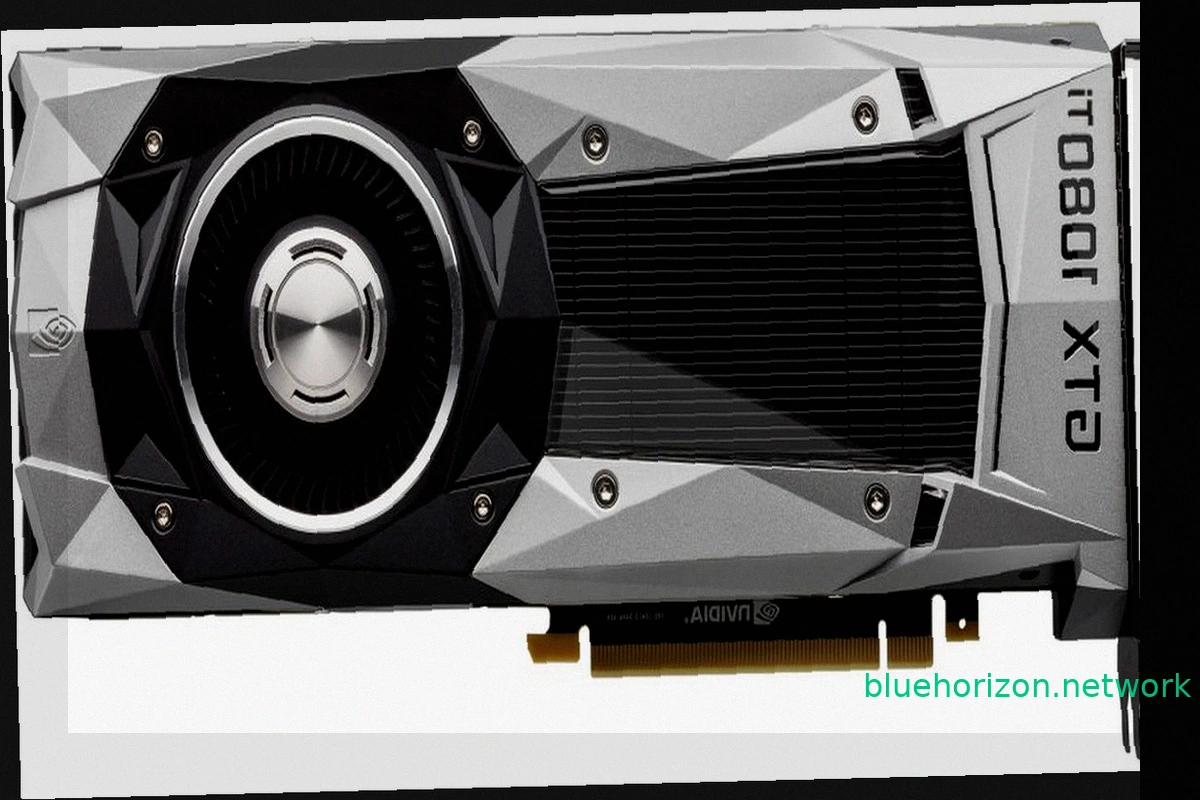
NVIDIA TITAN XP and GTX 1000 Series Achieve Windows XP Compatibility with Unofficial Forceware 382.69 Drivers
While modern PC components like RTX 50 graphics cards, Ryzen X3D CPUs, and high-speed RAM drive up costs, older hardware offers a budget-friendly alternative. A peculiar development now brings a degree of compatibility between older GPUs and Windows XP: the GTX 1000 series, including the TITAN

Google Wins AI Overviews Legal Battle Against Publishers
Google secured a significant court victory in the United States against publishers accusing the company of using their content to power AI Overviews. The core of the lawsuits was that these AI-generated summaries reduce website traffic. Federal Judge Amit P. Mehta of the District Court of Colu
Germany Launches Gaming-Focused Electricity Tariff with Consumption Rewards
German energy provider SWK Energie has introduced an unusual market segment for electricity: gamers. The company is promoting "meinGAMING," an electricity tariff designed for households with high energy consumption, specifically targeting gamers with powerful computers, streamers, and users wit
RuneScape 4 Announced: A New MMORPG Built on Unreal Engine
Jagex revealed RuneScape 4 (RS4) at RuneFest 2026. This new MMORPG, currently a working title, will be the fourth generation in the RuneScape franchise. The significant technological shift for this installment is its development on the Unreal Engine. While the specific version isn't confirmed, it
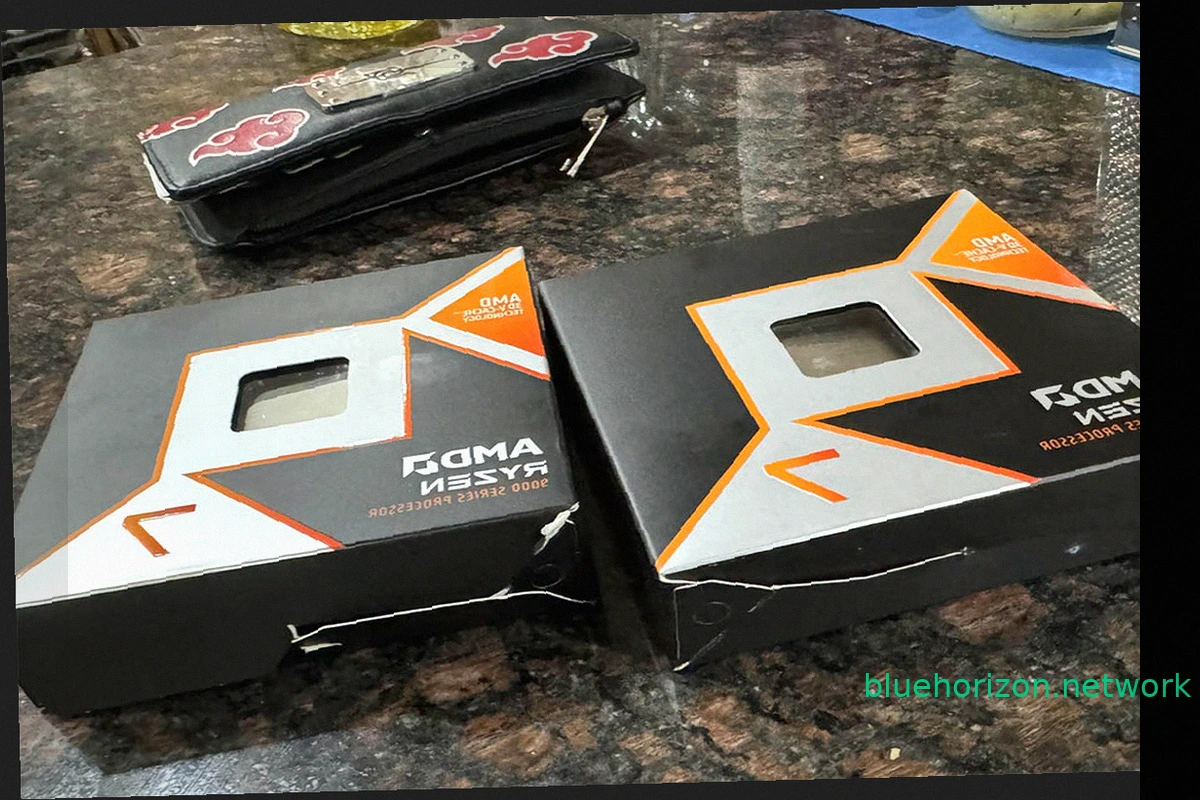
Ryzen 9850X3D Order Mix-Up: User Receives Intel Core i3-3220s Instead
AMD's gaming dominance, solidified by the Ryzen 7 7800X3D and its successor the 9800X3D, left Intel without comparable options. The subsequent release of the slightly faster Ryzen 9850X3D further cemented this lead. These processors are highly sought after by gamers. However, a recent Amazon o