Intel Eyes Google and Amazon to Challenge TSMC in Advanced AI Packaging with EMIB
For some time, Intel has been trying to convince the market that its future isn't solely about re-competing in traditional chip manufacturing, as it has done for most of its history, but also about gaining influence in a much more discreet segment of the business: advanced packaging. This is where today's rumor, published by WIRED, comes into play, pointing to active discussions with Google and Amazon to utilize Intel's advanced packaging services, specifically Intel EMIB or EMIB-T.
Is this a genuine, silent overtaking of TSMC, or a limitation on Taiwan's ability to produce more? While no confirmed contracts exist, the mere mention of these two names speaks volumes about the type of clients Intel needs for its Foundry to transition from a promise to a serious, and above all, profitable business.
Intel in Negotiations with Google and Amazon for Advanced Packaging Based on EMIB or EMIB-T
This thesis makes considerable sense from Intel's perspective, driven by the profitability sought for IFS. AI now requires more than just fabricating a more powerful GPU; it demands uniting logic, chiplets, interconnections, and HBM memory within the same package with minimal loss, lowest possible power consumption, and optimal space utilization. Furthermore, it needs to be as cost-effective as possible, complemented by open manufacturing capacity that isn't already saturated.
TSMC undeniably dominates this field with CoWoS, but Intel has been building its own path for years with EMIB and Foveros. Now it aims to sell this capacity to third parties in volume, and this is where Amazon and Google fit quite naturally, as both design their own chips and outsource critical parts of the process.
EMIB is important because it allows connecting different dies within the same package without requiring a complete, much more expensive, full-size interposer. Simply put, Intel proposes a more localized and selective connection between components.
If the Rumor Becomes Reality, it's a Giant Leap for IFS
WIRED even suggests that, within this context, EMIB and EMIB-T are viewed as a more "surgical" approach than TSMC's proposal, with the idea of saving space, improving efficiency, and containing long-term costs for the AI race. Additionally, manufacturing on U.S. soil would complete the circle, especially for clients designing increasingly large and complex accelerators. This promise ceases to be a technical detail and becomes a strategic issue that would satisfy all parties. That is, on paper, it makes sense; now, the actual figures need to be on the table.
EMIB-T further strengthens this interpretation. Intel announced it in May 2025, and according to the company, this evolution improves signal integrity and power efficiency between components, with factory deployment planned for — curiously — 2026. This is precisely where the rumor gains significant strength: Amazon and Google wouldn't need to commit to Intel for all their chips; entrusting a specific part of advanced assembly to Intel would suffice if they perceive it resolves a genuine bottleneck with TSMC.
The logical conclusion of this story lies in 2024, and indeed, it reinforces it. Intel and AWS announced in September of that year an expansion of their collaboration with a multi-year, multi-billion-dollar framework for custom chips, including an AI fabric chip on Intel 18A and a custom Xeon 6 on Intel 3.
This wasn't a packaging agreement per se, but it was proof that an industrial relationship already existed between the two parties and could scale with Amazon and Google for EMIB or EMIB-T within Intel Foundry Services. Seen this way, the current rumor doesn't emerge from nowhere; it builds upon a real precedent. If confirmed, if Intel manages to secure another major agreement... keep an eye on the blues; they could return to the global top 10 FAB list before the year ends.
Fresh materials — Technology News
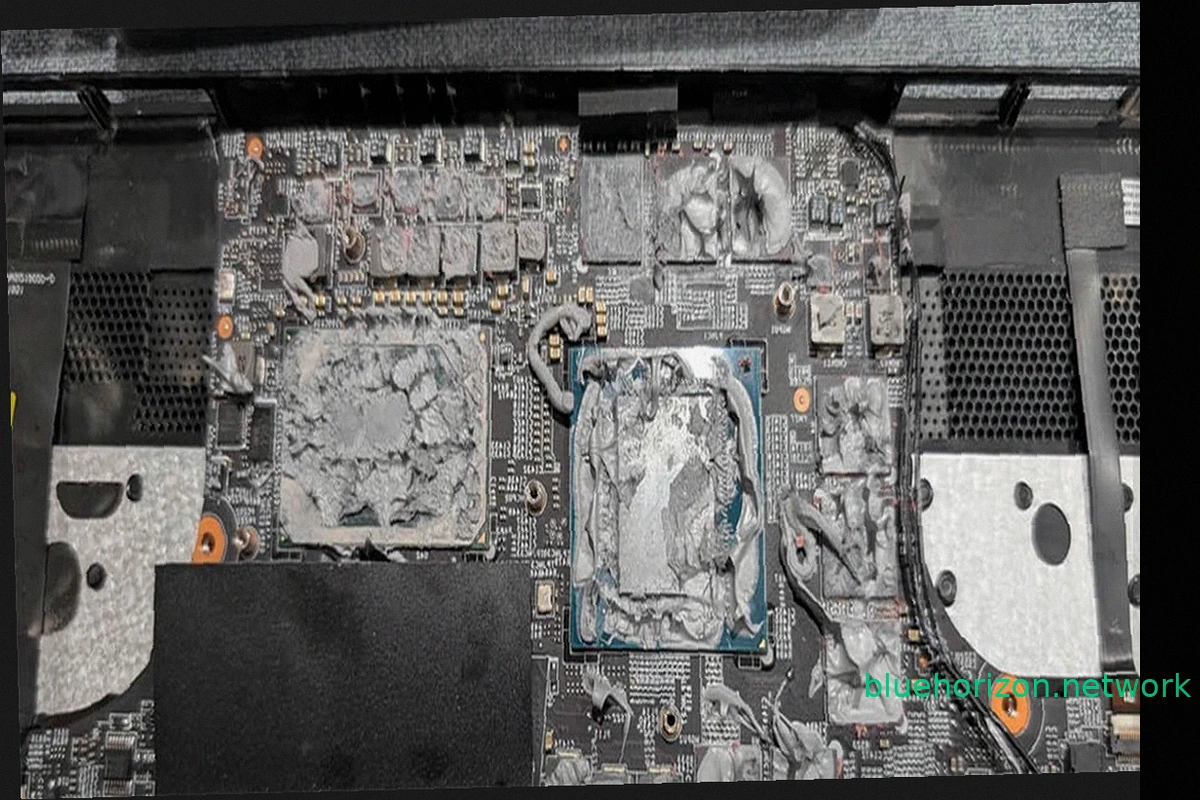
Overloaded with Thermal Paste: Second-Hand Laptop's Extreme Case Revealed
Even as summer wanes, high temperatures persist, impacting electronics. Devices like smartphones, tablets, consoles, and computers can overheat in warm environments. While applying thermal paste typically helps, one extreme case involved a used laptop purchased with its previous owner having a
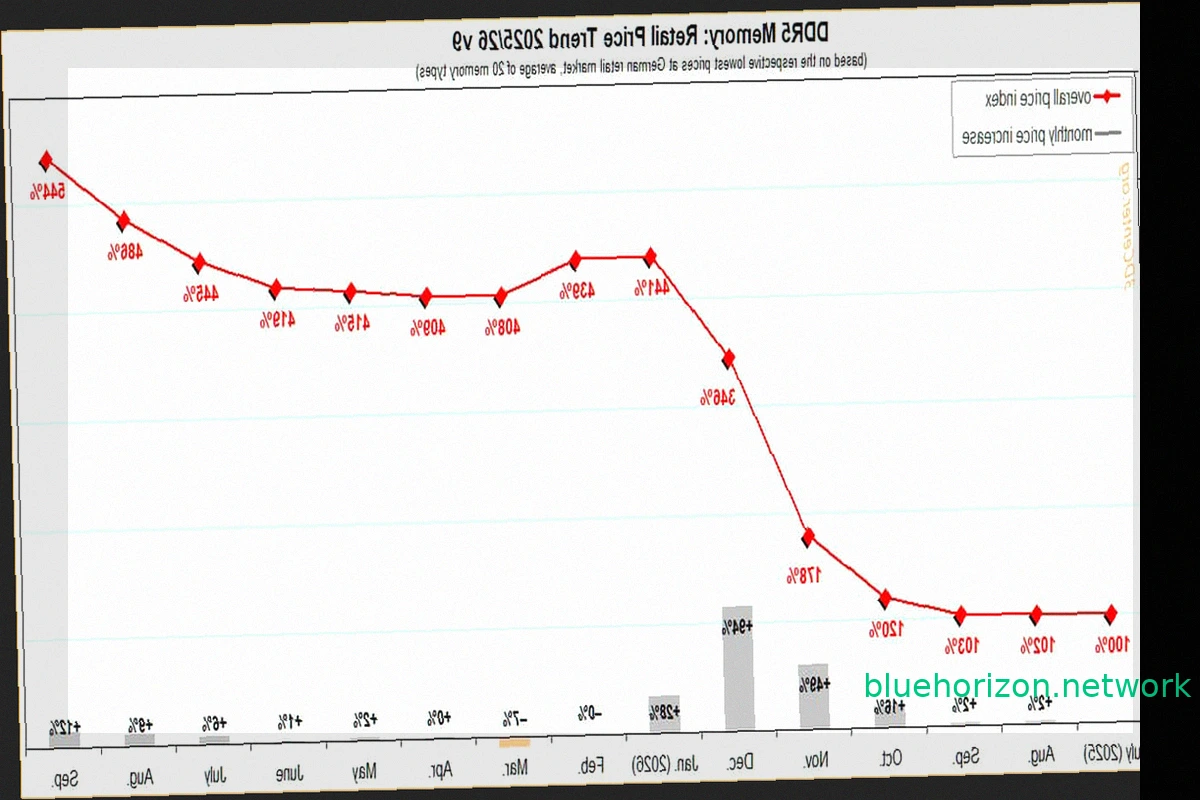
DDR5 Prices Skyrocket: 32GB Kits Now Exceed €1,200
The RAM memory crisis persists, dramatically impacting prices in Germany. Data from 3DCenter reveals that DDR5 RAM prices hit an all-time high in September 2026, marking a 544% increase since July 2025. On average, DDR5 now costs 5.44 times more, or 444% higher, than before the crisis began. S
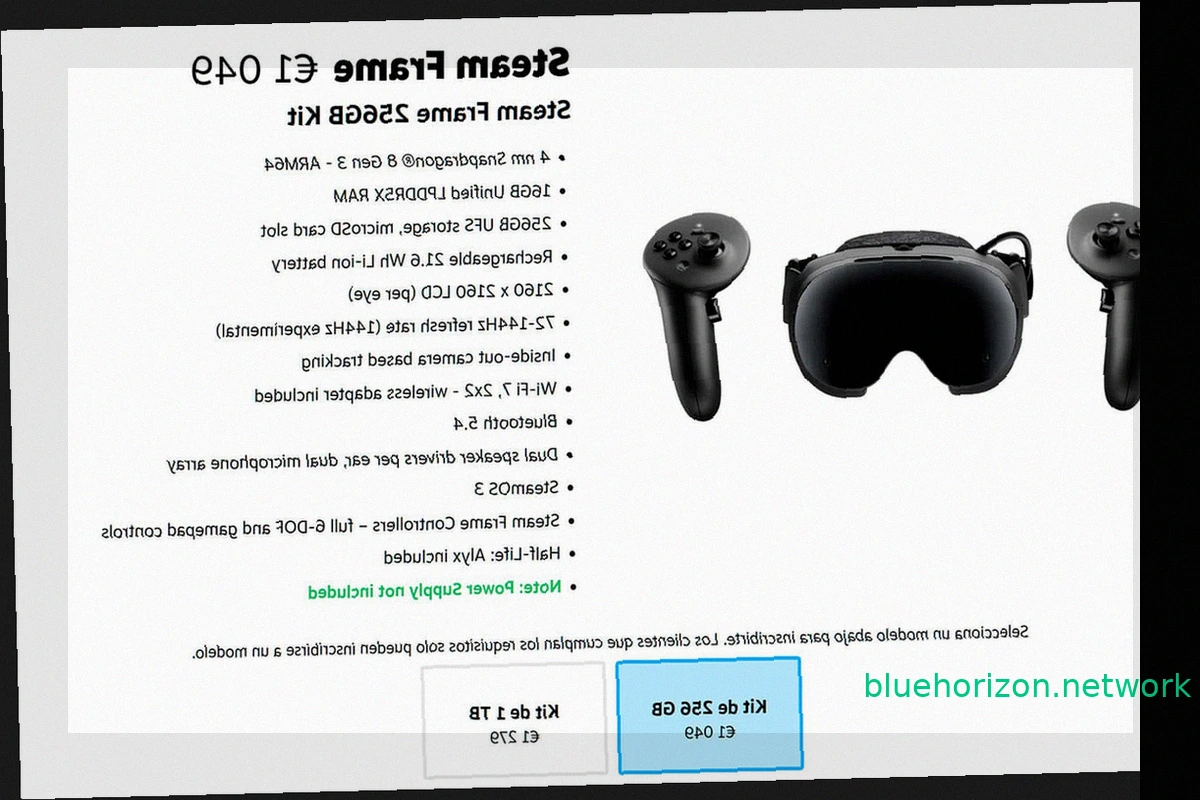
Valve Launches Steam Frames VR Headset: Prices Revealed
Valve has announced its new autonomous virtual reality headset, the Steam Frames, confirming pricing for two models. The 256GB version is set at €1,049, while the 1TB model will cost €1,279. This positions the Steam Frames as a premium product, priced significantly higher than previous VR offe
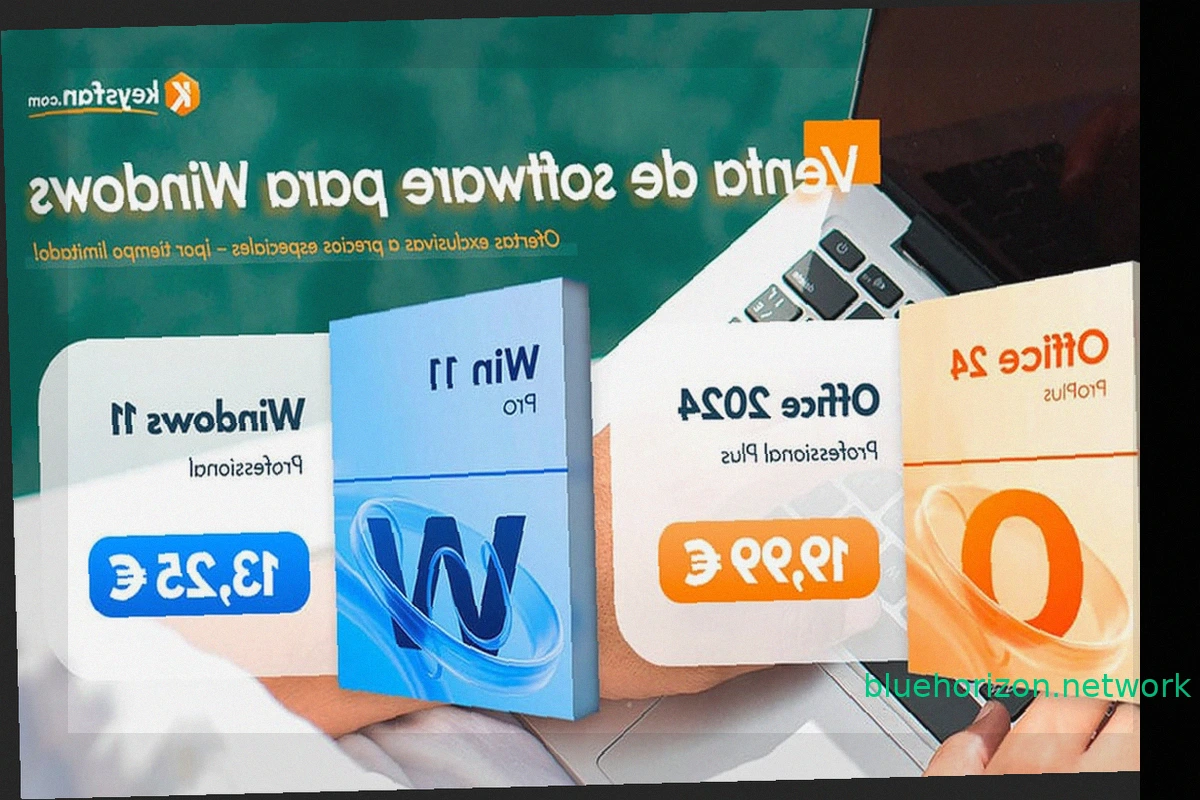
Windows 11 LTSC for 13 Euros or Office 2024 for 20 Euros with Keysfan Offers
Keysfan is offering substantial discounts on Windows 11 and Office licenses. These deals can significantly reduce the cost of acquiring a Windows 11 or Office license. The company also guarantees a replacement key if a purchased key does not function. Using unofficial activation tools can intr
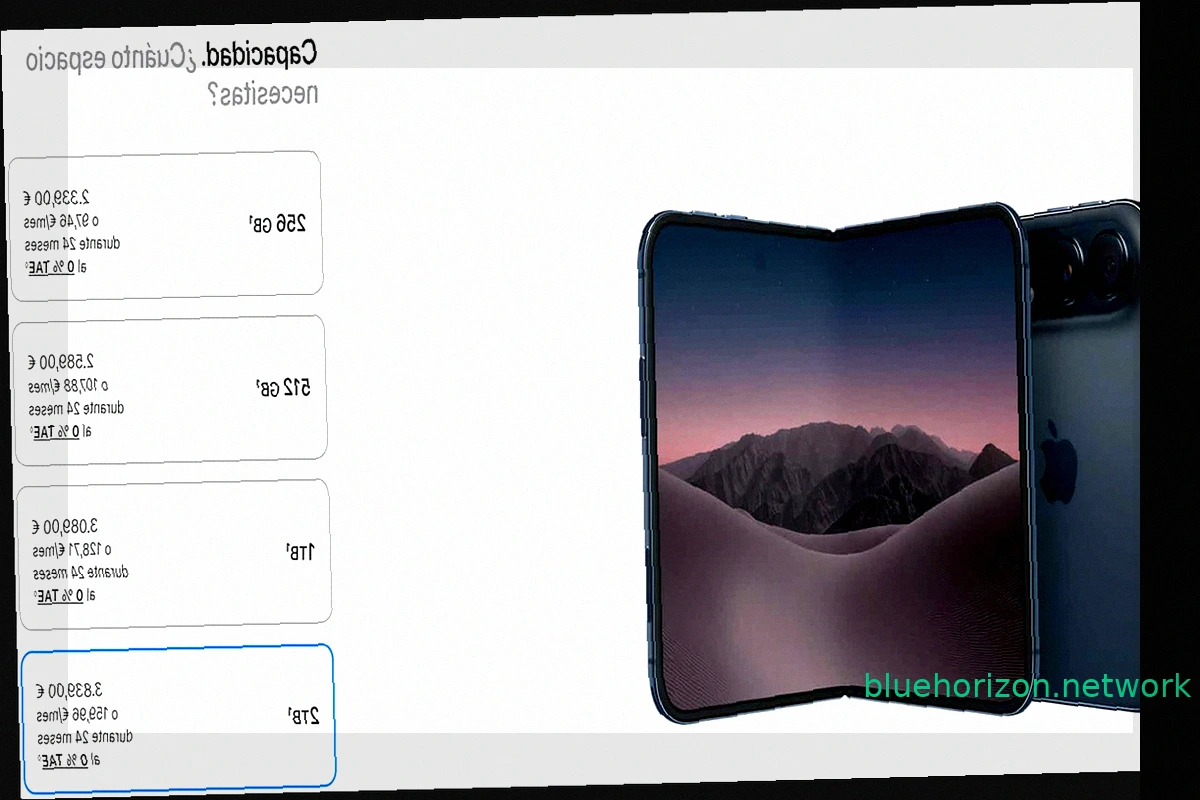
Apple's First Foldable iPhone "Duo" Arrives in October, Starting at €2,399
Apple has officially unveiled the iPhone Duo, its inaugural foldable iPhone, marking the most significant form factor change since the device's inception. While the iPhone 18 Pro models are highly iterative, the iPhone Duo embraces a book-style design. When closed, it features a 5.4-inch extern
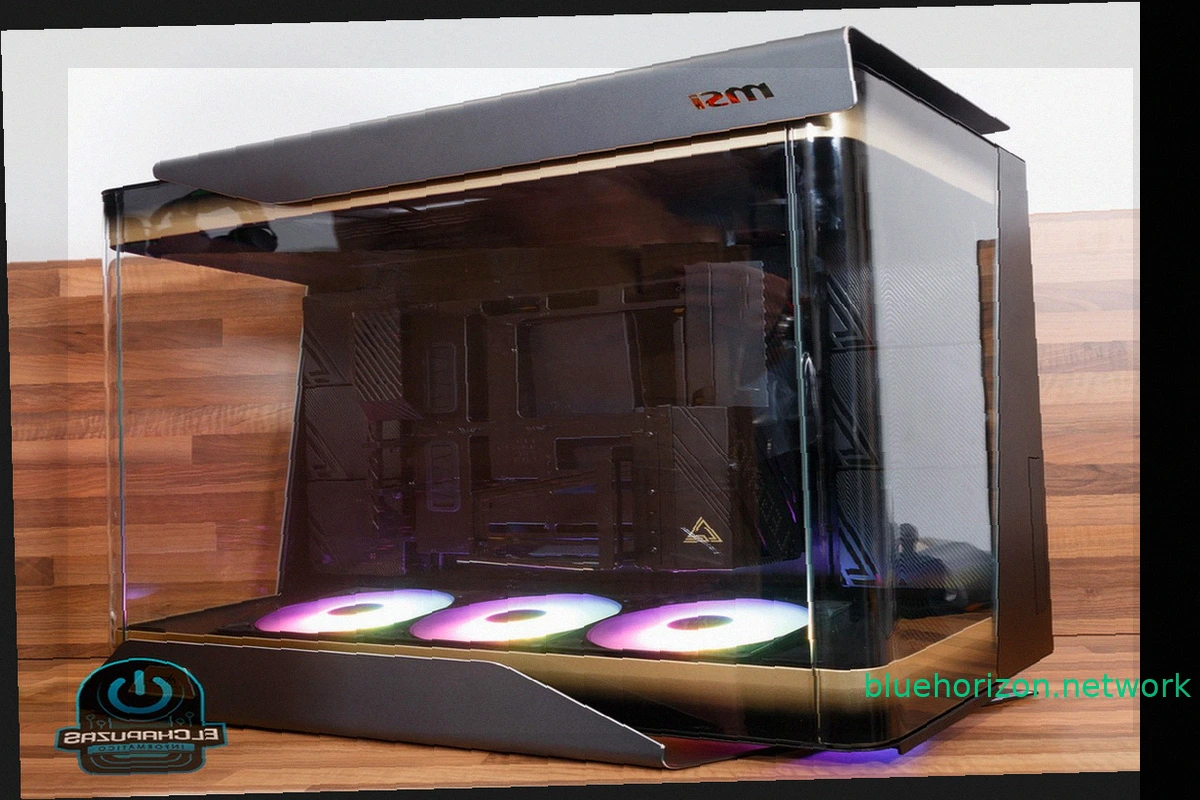
MSI MEG MAESTRO 900R: The Brand's Flagship Chassis is One of the Most Beastly Ever Made, Priced at 699 Euros
We are thrilled to present a review of the MSI MEG MAESTRO 900R, a chassis that is truly brutal in every sense. This new flagship from MSI is a gigantic tower with a highly unique design, combining aluminum with triple panoramic glass and a multitude of details that make it stand out. Let