Laptop Owners Face "PS5 Syndrome": Liquid Metal Thermal Paste Caused Issues After Two Motherboard Replacements
Laptops are increasingly expensive. With recent price hikes in components like RAM, users are more inclined to protect their existing devices and ensure repairs are effective. One gamer experienced significant trouble with a laptop purchased a few years ago. Despite two motherboard replacements under warranty, the device continued to malfunction. It wasn't until the second motherboard swap that the user investigated further and discovered the issue: a problematic application of liquid metal thermal paste that had spilled.
The current prices for new laptops can be discouraging. A configuration with 32GB of RAM and a mid-to-high-end graphics card easily exceeds 1,200 euros. While not top-tier performance, such a machine generally promises several years of gaming. If you bought a laptop some time ago, its value increases, and you'd naturally want to avoid costly replacements.
Motherboard Swaps Failed to Resolve the Problem; Liquid Metal Was the Cause
Identifying the root cause is crucial when a PC or laptop stops working. A Reddit user shared their experience with a gaming laptop bought in 2022. The manufacturer replaced the motherboard twice under warranty. However, the laptop failed again shortly after the first replacement and again after the second. Unsure of what else to do, the user opened the laptop and found that the thermal paste, which was liquid metal, had poor contact.
This suspicion arose when the laptop hit temperatures of 105°C, triggering shutdowns. While liquid metal isn't typically the source of such problems, in this instance, high temperatures caused the metal to heat up and potentially shift during movement. This was exacerbated by a lack of protective barriers around the chips to prevent such displacement.
Phase-Change Pads Solved High Temperatures and Shutdowns
The laptop showed signs of overheating and burnt chips, yet it remained functional. The user opted for a solution: replacing the liquid metal with 0.2mm thick Honeywell PTM7950 phase-change pads. These pads are solid at room temperature, preventing movement. When temperatures rise, they transition to a semi-fluid state, effectively filling the gap between the heatsink and the chip. This change significantly improves cooling and is a much safer alternative to liquid metal.
Fresh materials — Technology News

GTA VI: PlayStation 5 Firmware Update May Force Jailbreak Loss
Grand Theft Auto VI (GTA VI) is poised to create a dilemma for PlayStation 5 owners who wish to maintain their consoles with jailbreak-compatible firmware. According to data surfaced from the PlayStation Store backend by PlayStation Game Size, GTA VI will mandate at least PS5 firmware version
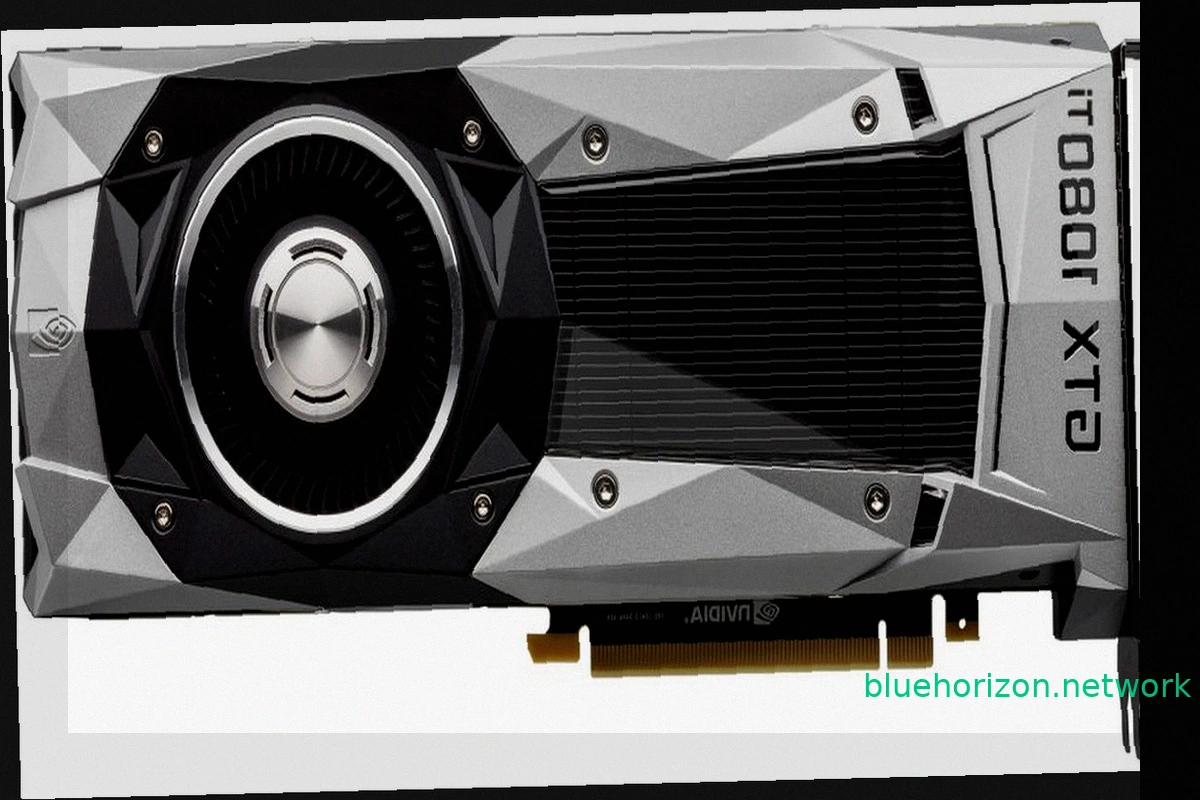
NVIDIA TITAN XP and GTX 1000 Series Achieve Windows XP Compatibility with Unofficial Forceware 382.69 Drivers
While modern PC components like RTX 50 graphics cards, Ryzen X3D CPUs, and high-speed RAM drive up costs, older hardware offers a budget-friendly alternative. A peculiar development now brings a degree of compatibility between older GPUs and Windows XP: the GTX 1000 series, including the TITAN

Google Wins AI Overviews Legal Battle Against Publishers
Google secured a significant court victory in the United States against publishers accusing the company of using their content to power AI Overviews. The core of the lawsuits was that these AI-generated summaries reduce website traffic. Federal Judge Amit P. Mehta of the District Court of Colu

Germany Launches Gaming-Focused Electricity Tariff with Consumption Rewards
German energy provider SWK Energie has introduced an unusual market segment for electricity: gamers. The company is promoting "meinGAMING," an electricity tariff designed for households with high energy consumption, specifically targeting gamers with powerful computers, streamers, and users wit

RuneScape 4 Announced: A New MMORPG Built on Unreal Engine
Jagex revealed RuneScape 4 (RS4) at RuneFest 2026. This new MMORPG, currently a working title, will be the fourth generation in the RuneScape franchise. The significant technological shift for this installment is its development on the Unreal Engine. While the specific version isn't confirmed, it
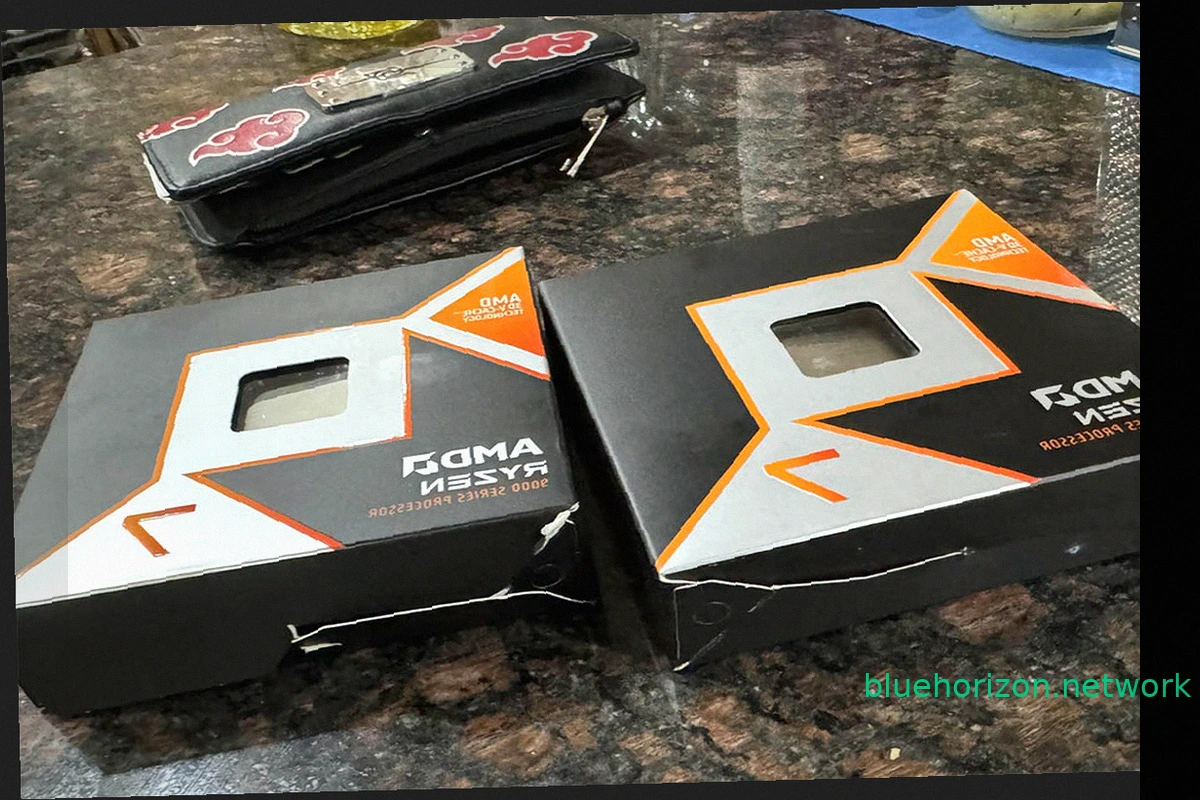
Ryzen 9850X3D Order Mix-Up: User Receives Intel Core i3-3220s Instead
AMD's gaming dominance, solidified by the Ryzen 7 7800X3D and its successor the 9800X3D, left Intel without comparable options. The subsequent release of the slightly faster Ryzen 9850X3D further cemented this lead. These processors are highly sought after by gamers. However, a recent Amazon o