Lenovo Yoga Mini i: A Cylindrical Mini-PC with Intel Panther Lake CPU, 32GB RAM, and Windows 11
Lenovo has officially launched its new Mini-PC, the Yoga Mini i, in China. Its design unmistakably draws inspiration from Apple's Mac mini, though Lenovo has opted for a cylindrical form factor over a rectangular one to subtly differentiate its aesthetic. Beyond this visual cue, the similariti
Lenovo has officially launched its new Mini-PC, the Yoga Mini i, in China. Its design unmistakably draws inspiration from Apple's Mac mini, though Lenovo has opted for a cylindrical form factor over a rectangular one to subtly differentiate its aesthetic. Beyond this visual cue, the similarities largely end, as the Yoga Mini i is built upon conventional x86 architecture and runs on Windows 11 as its operating system.
Constructed from aluminum, the Lenovo Yoga Mini i boasts compact dimensions of 130 x 130 x 48.6 mm and weighs approximately 600 grams, a portability that Lenovo highlights by marketing it as a "handheld" computer. This versatile device is engineered to seamlessly integrate into various environments, from a home office desk to a professional studio, and is even convenient enough for travel. A notable advantage it holds over the Mac mini is its enhanced connectivity options and the inclusion of a built-in fingerprint reader, providing advanced biometric security for user logins.
Lenovo Yoga Mini i Specifications
At the core of the Lenovo Yoga Mini i lies an Intel Panther Lake processor, offering several configuration choices. Consumers can select from an efficient Intel Core Ultra 5 325 with 8 cores (comprising 4 P-Cores + 4 LPE-Cores) up to a powerful top-tier variant featuring an Intel Core Ultra X7 358H with 16 cores (4 P-Cores + 8 E-Cores + 4 LPE-Cores). These processors are paired with up to 32 GB of soldered LPDDR5X RAM operating at 8533 MT/s, alongside up to 2 TB of NVMe PCIe 4.0 SSD storage. The most advanced configuration further integrates the Intel Arc B390 iGPU, which delivers up to 64% faster performance compared to the AMD Radeon 890M.
Moreover, the Mini-PC incorporates a dedicated NPU capable of delivering up to 50 TOPS of AI performance, thereby qualifying it as a Copilot+ PC, optimized for Microsoft's latest AI functionalities. These specifications collectively position the Yoga Mini i as a high-performance Mini-PC wrapped in an elegant and premium design. It provides ample processing power for a wide range of applications, including office productivity, multimedia consumption, advanced AI tasks, video and photo editing, and even gaming, particularly in its highest-end configuration.
The cooling system of the Lenovo Yoga Mini i cleverly takes inspiration from the Mac mini's design, featuring a raised base that facilitates the intake of cool air from beneath the unit, ensuring efficient thermal management.
Connectivity and Launch Price
When it comes to connectivity, the Lenovo Yoga Mini i truly distinguishes itself from the Mac mini. It offers a comprehensive array of ports, including two Thunderbolt 4 / USB4 ports, two additional USB-C ports, one USB 3.2 port, an HDMI 2.1 video output, a 2.5 Gbps Ethernet port, and a 3.5mm headphone jack. This robust selection allows for simultaneous connection of up to four external monitors. Wireless capabilities are also cutting-edge, featuring Wi-Fi 7 and Bluetooth 6.0. Further enhancements include an integrated stereo speaker system (2 x 2W), dual microphones, a fingerprint reader for security, and an innovative Wi-Fi Sensing presence detection system that can discern movement and even breathing patterns in its environment.
The Lenovo Yoga Mini i debuts in China with a starting price of 5,499 yuan, which converts to approximately €690 or $800 USD. This initial price point corresponds to the configuration equipped with an Intel Core Ultra 5 325 processor, 16 GB of RAM, and a 512 GB SSD. Given its impressive specifications, premium design, and solid build quality, this represents an excellent value proposition in the Mini-PC market.
Fresh materials — Technology News

GTA VI: PlayStation 5 Firmware Update May Force Jailbreak Loss
Grand Theft Auto VI (GTA VI) is poised to create a dilemma for PlayStation 5 owners who wish to maintain their consoles with jailbreak-compatible firmware. According to data surfaced from the PlayStation Store backend by PlayStation Game Size, GTA VI will mandate at least PS5 firmware version
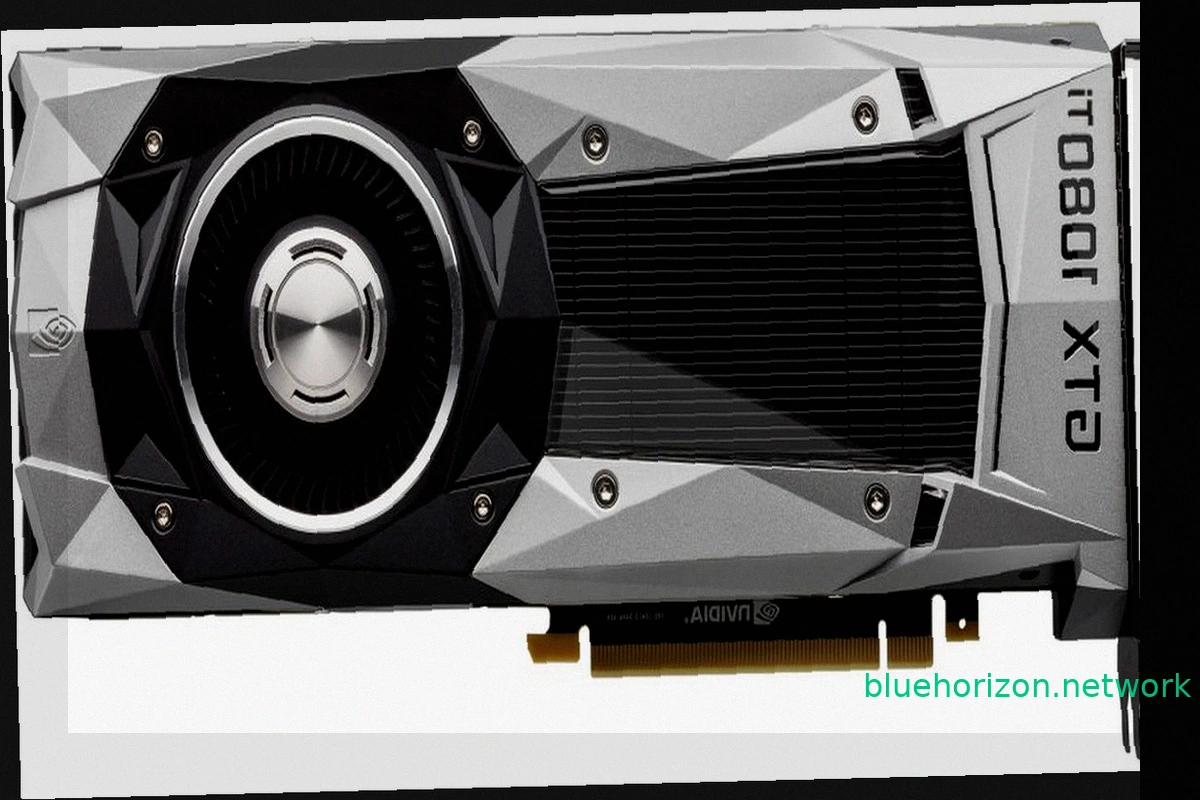
NVIDIA TITAN XP and GTX 1000 Series Achieve Windows XP Compatibility with Unofficial Forceware 382.69 Drivers
While modern PC components like RTX 50 graphics cards, Ryzen X3D CPUs, and high-speed RAM drive up costs, older hardware offers a budget-friendly alternative. A peculiar development now brings a degree of compatibility between older GPUs and Windows XP: the GTX 1000 series, including the TITAN

Google Wins AI Overviews Legal Battle Against Publishers
Google secured a significant court victory in the United States against publishers accusing the company of using their content to power AI Overviews. The core of the lawsuits was that these AI-generated summaries reduce website traffic. Federal Judge Amit P. Mehta of the District Court of Colu
Germany Launches Gaming-Focused Electricity Tariff with Consumption Rewards
German energy provider SWK Energie has introduced an unusual market segment for electricity: gamers. The company is promoting "meinGAMING," an electricity tariff designed for households with high energy consumption, specifically targeting gamers with powerful computers, streamers, and users wit

RuneScape 4 Announced: A New MMORPG Built on Unreal Engine
Jagex revealed RuneScape 4 (RS4) at RuneFest 2026. This new MMORPG, currently a working title, will be the fourth generation in the RuneScape franchise. The significant technological shift for this installment is its development on the Unreal Engine. While the specific version isn't confirmed, it
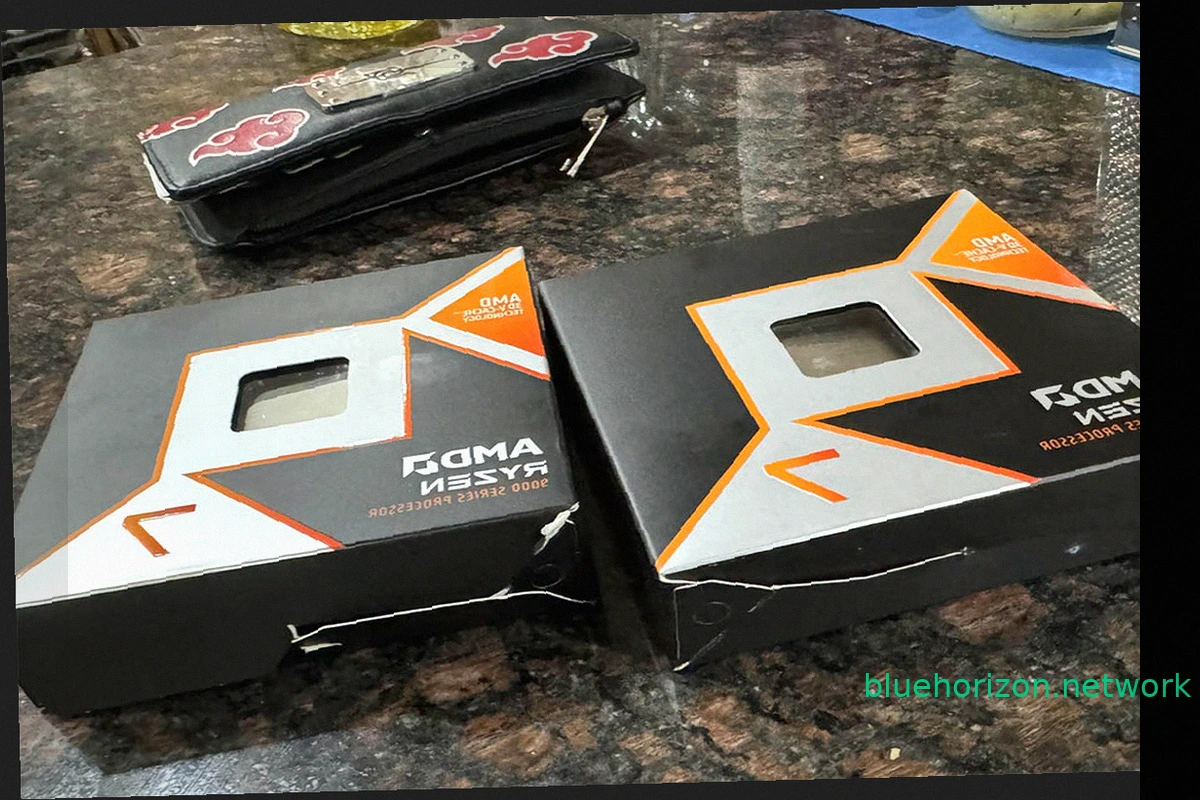
Ryzen 9850X3D Order Mix-Up: User Receives Intel Core i3-3220s Instead
AMD's gaming dominance, solidified by the Ryzen 7 7800X3D and its successor the 9800X3D, left Intel without comparable options. The subsequent release of the slightly faster Ryzen 9850X3D further cemented this lead. These processors are highly sought after by gamers. However, a recent Amazon o