Linux 6.19.10 Official: Total Stability with AMDGPU, Intel, Networking, and Btrfs Fixes
Linux 6.19.10 has been officially released. While it doesn't introduce groundbreaking new features or performance boosts, it delivers a comprehensive set of corrections primarily aimed at enhancing system stability. This type of update might not appear in benchmark results, but its impact is felt in daily operations through fewer unusual glitches, more consistent behavior, and smoother transitions after suspending the system or changing GPU states. Let's delve into its key improvements and why they are significant.
The pertinent question is: to what extent do these changes genuinely impact the user experience, or are they merely typical cumulative patches that go largely unnoticed? It's more than just a standard cumulative update, yet most users will only perceive its benefits if they were previously encountering specific issues.
Linux 6.19.10: Numerous Small Changes for Significant Improvements

Linux 6.19.10 arrives at a pivotal moment in the market. To understand how this version addresses various functionalities, one must consult the extensive changelog, which details hundreds of modifications. Below, we highlight the most significant changes.
In the graphics department, significant work has been done on DRM, AMDGPU, and Intel drivers (including Xe and i915). Corrections have been implemented for initialization paths, error handling, and reset sequences. These changes are expected to mitigate common display issues such as black screens, flickering, or monitors failing to start correctly. It's important to clarify, however, that while the changelog details technical failures in pipeline and modeset operations, it does not explicitly state that these symptoms will disappear. Nevertheless, the reduction in such problems is a logical and real outcome of these underlying technical improvements.
Audio improvements follow a similar pattern, albeit less extensive. The changelog indicates that ALSA has received adjustments to enhance initialization on laptops and addresses instances where sound would disappear after system suspension. Furthermore, there are improvements for USB devices to prevent reconnection or detection problems. While these do not introduce new functionalities, they significantly reduce situations where hardware might become unresponsive.
Key Improvements Also Extend to Networking, Storage, and CPU

Networking sees some of the more critical corrections. The update addresses NULL pointer and use-after-free errors within the networking core and its drivers. These fixes directly contribute to stability, as such errors can lead to system crashes under heavy load or during device reboots. However, stating that "random crashes will disappear" is an oversimplification. These are specific bug fixes; users who were not affected by these particular issues will likely not notice any difference.
Storage also receives attention, though less extensive, but equally noteworthy. Btrfs sees improvements in its write paths and error recovery mechanisms. The device-mapper has been enhanced to prevent deadlocks under memory pressure, and hangs in the data path have been reduced for Ceph and NFS. These changes are primarily designed for demanding enterprise-level scenarios rather than basic everyday use, but they are important to highlight.
Regarding CPU and power management, adjustments have been made to the scheduler and frequency policies. It's crucial to clarify that these do not translate into performance improvements or more aggressive scaling. Instead, they address specific edge cases where failures or incorrect behaviors could occur.
Furthermore, this release incorporates numerous memory security corrections distributed throughout the kernel. While this can contribute to a perception of enhanced stability, it doesn't necessarily mean all systems will experience a noticeably lower number of failures compared to version 6.19.
In summary, Linux 6.19.10 does not fundamentally alter how the system operates, nor does it introduce dramatic, sweeping changes that significantly overhaul specific components. Instead, its primary value lies in substantially reducing the margin of error across numerous critical areas. In an environment characterized by rapid evolution in hardware and drivers, this focus on foundational stability often proves more crucial than the addition of new features.
Fresh materials — Technology News

GTA VI: PlayStation 5 Firmware Update May Force Jailbreak Loss
Grand Theft Auto VI (GTA VI) is poised to create a dilemma for PlayStation 5 owners who wish to maintain their consoles with jailbreak-compatible firmware. According to data surfaced from the PlayStation Store backend by PlayStation Game Size, GTA VI will mandate at least PS5 firmware version
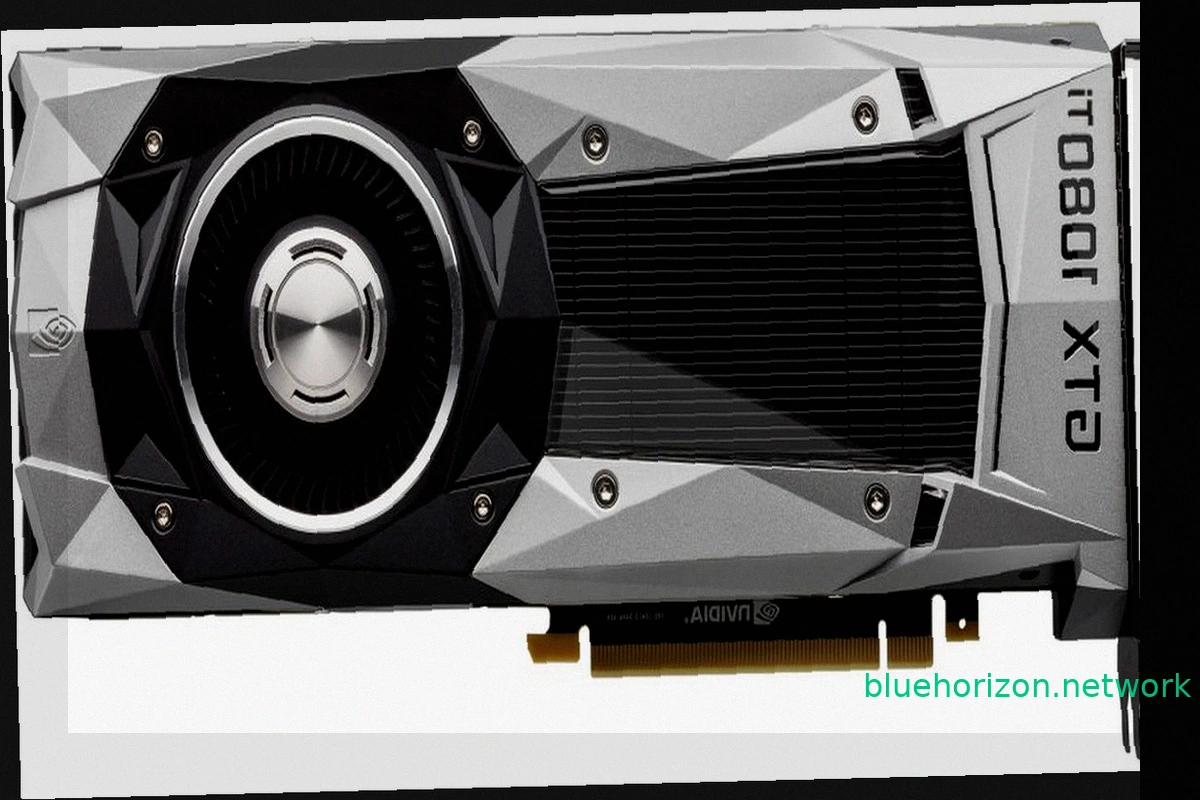
NVIDIA TITAN XP and GTX 1000 Series Achieve Windows XP Compatibility with Unofficial Forceware 382.69 Drivers
While modern PC components like RTX 50 graphics cards, Ryzen X3D CPUs, and high-speed RAM drive up costs, older hardware offers a budget-friendly alternative. A peculiar development now brings a degree of compatibility between older GPUs and Windows XP: the GTX 1000 series, including the TITAN

Google Wins AI Overviews Legal Battle Against Publishers
Google secured a significant court victory in the United States against publishers accusing the company of using their content to power AI Overviews. The core of the lawsuits was that these AI-generated summaries reduce website traffic. Federal Judge Amit P. Mehta of the District Court of Colu

Germany Launches Gaming-Focused Electricity Tariff with Consumption Rewards
German energy provider SWK Energie has introduced an unusual market segment for electricity: gamers. The company is promoting "meinGAMING," an electricity tariff designed for households with high energy consumption, specifically targeting gamers with powerful computers, streamers, and users wit

RuneScape 4 Announced: A New MMORPG Built on Unreal Engine
Jagex revealed RuneScape 4 (RS4) at RuneFest 2026. This new MMORPG, currently a working title, will be the fourth generation in the RuneScape franchise. The significant technological shift for this installment is its development on the Unreal Engine. While the specific version isn't confirmed, it
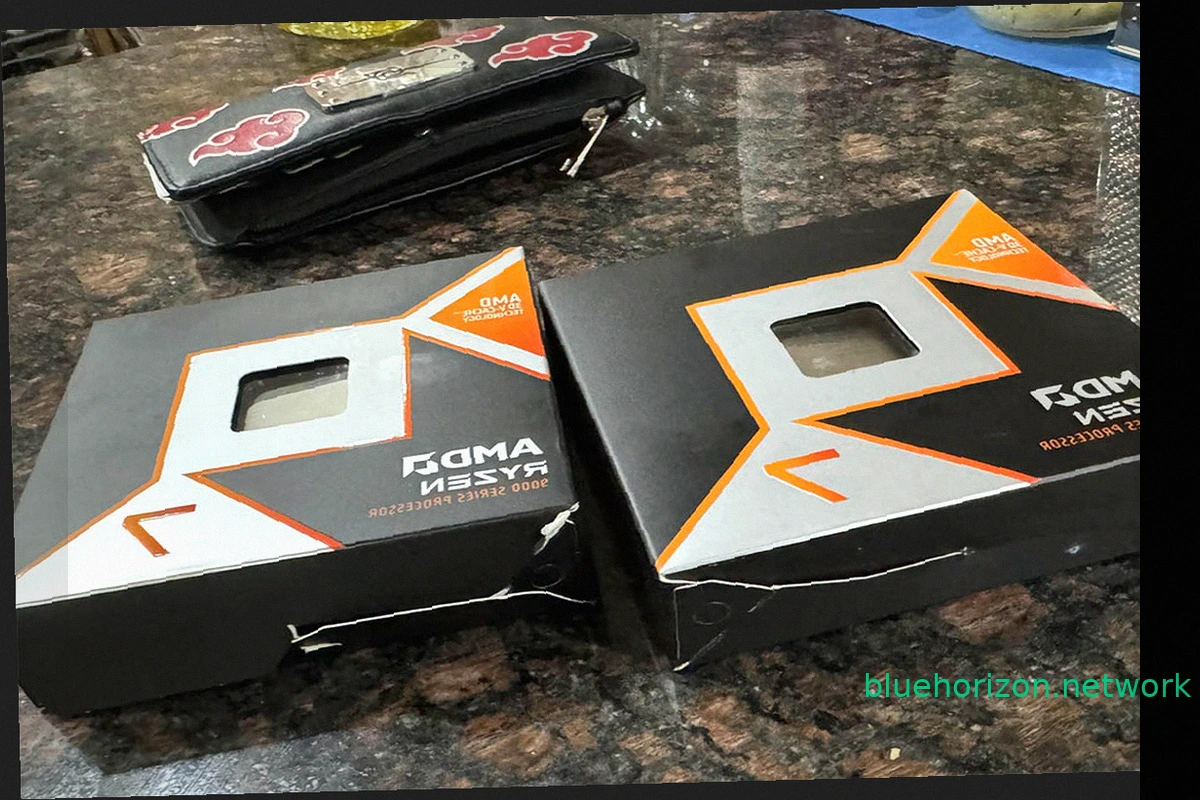
Ryzen 9850X3D Order Mix-Up: User Receives Intel Core i3-3220s Instead
AMD's gaming dominance, solidified by the Ryzen 7 7800X3D and its successor the 9800X3D, left Intel without comparable options. The subsequent release of the slightly faster Ryzen 9850X3D further cemented this lead. These processors are highly sought after by gamers. However, a recent Amazon o